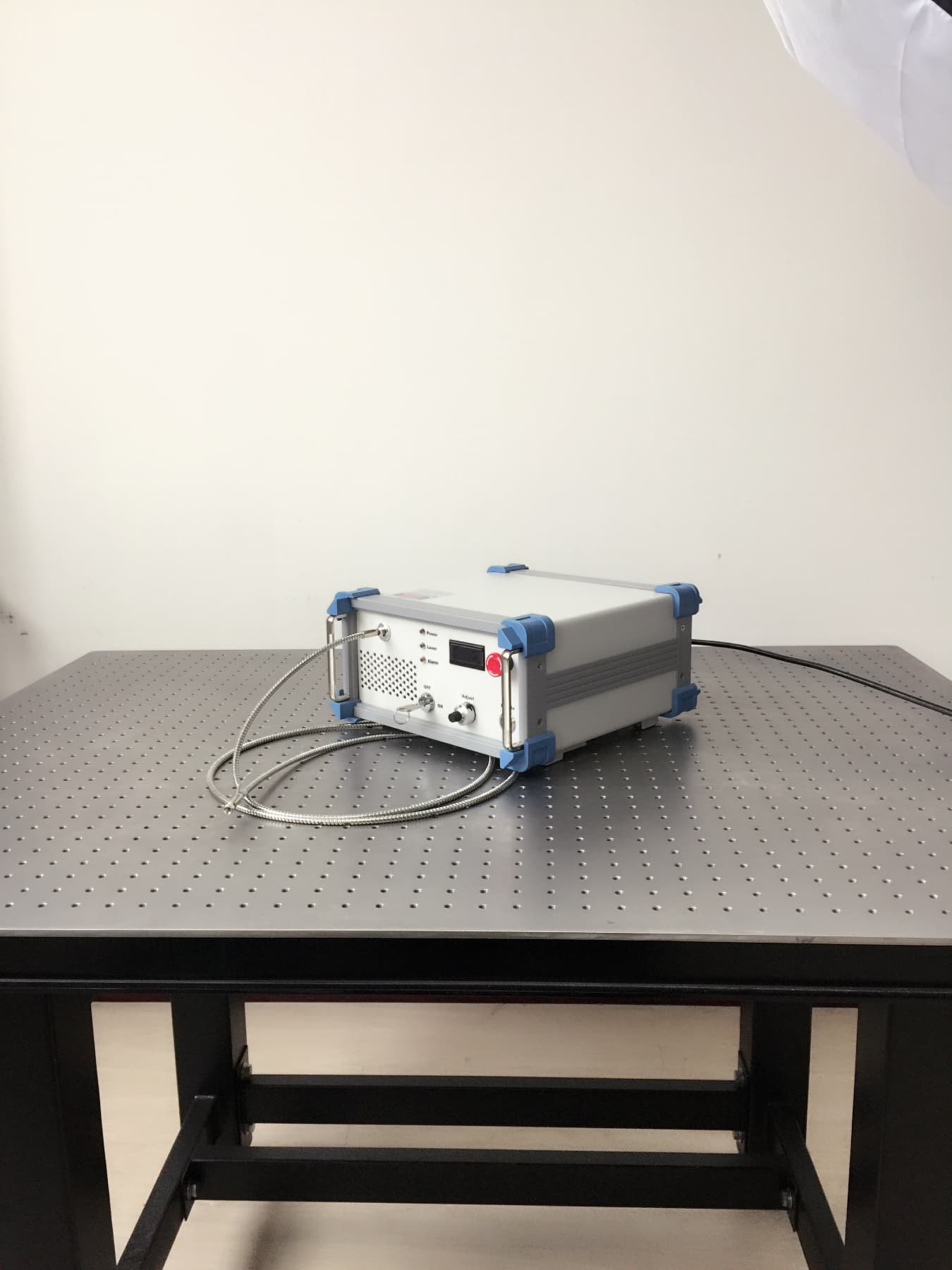
FiberCW1014 nmDatasheet
1014
M²: <1.1
- Output power
- 1~5 W
- Linewidth
- <10 kHz
- M²
- <1.1
- Optical microscope
- Photon imaging
- Physics experiment
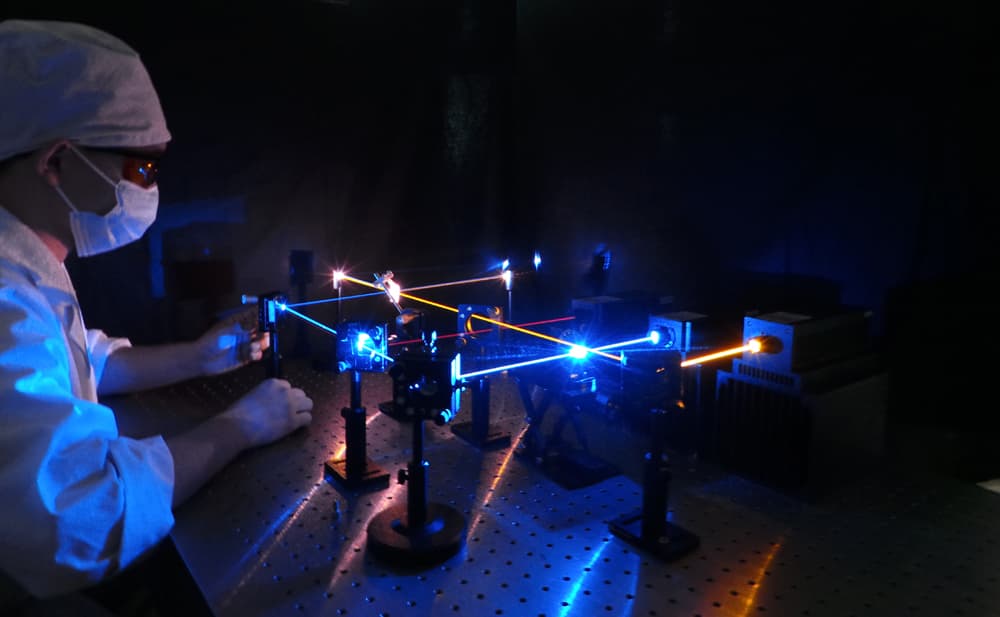
Laser, light-source, and measurement advisor
Search by wavelength, application, operating mode, power meter, beam diagnostic, or measurement requirement.
Laser finder
Filter by wavelength, application, power, linewidth and beam quality. Open any match for its full specification and datasheet.
Results
3485 lasers matched
M²: <1.1
M²: <1.1
M²: <1.1
M²: <1.2
M²: <1.1
M²: <1.2; Features: Ultra compact
Rep. rate (Hz): 10-1000; Cooled method: Air cooled
M²: <1.1
M²: <1.5
Rep. rate (Hz): 10-1000; Cooled method: Air cooled
M²: <1.5
Rep. rate (Hz): 0-1000; Cooled method: Water cooled
M²: <1.1
M²: <1.1
M²: <1.1
M²: <1.2
M²: <1.2
M²: <1.2
M²: <1.1
Rep. rate (Hz): 1-10; Cooled method: Air cooled
M²: <1.1
Rep. rate (Hz): 2 -5; Cooled method: Water cooled
Browse the catalogue
From diode and DPSS sources to fiber, single-frequency, Q-switched, mode-locked, wavelength-tunable, high-power, high-energy and supercontinuum. Types overlap — a laser can appear under several.
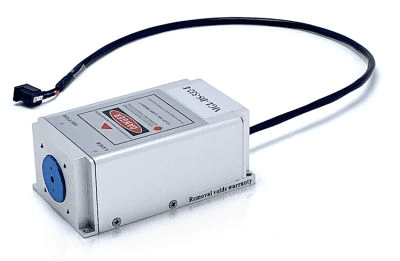
Direct-diode lines, UV to NIR
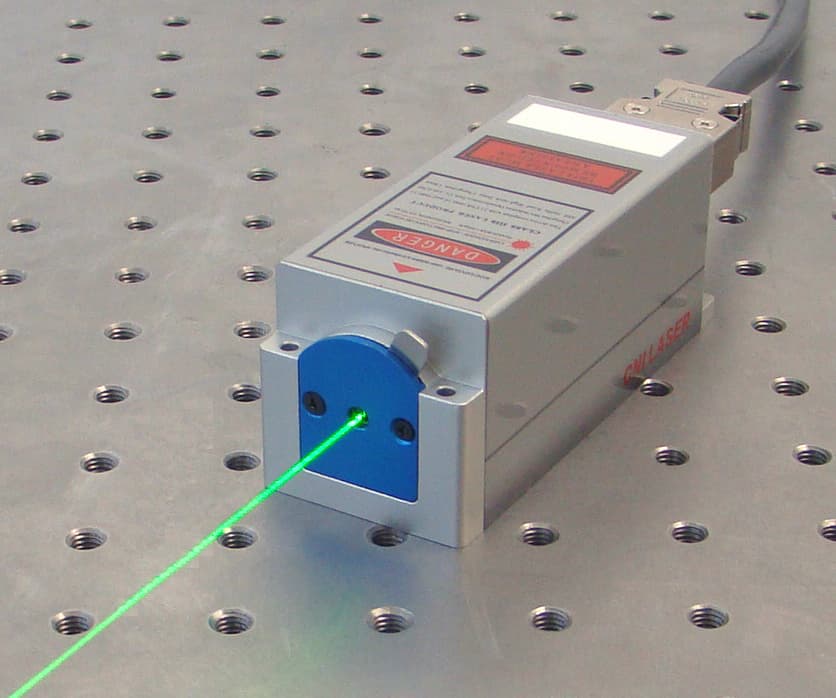
Solid-state harmonics and IR lines
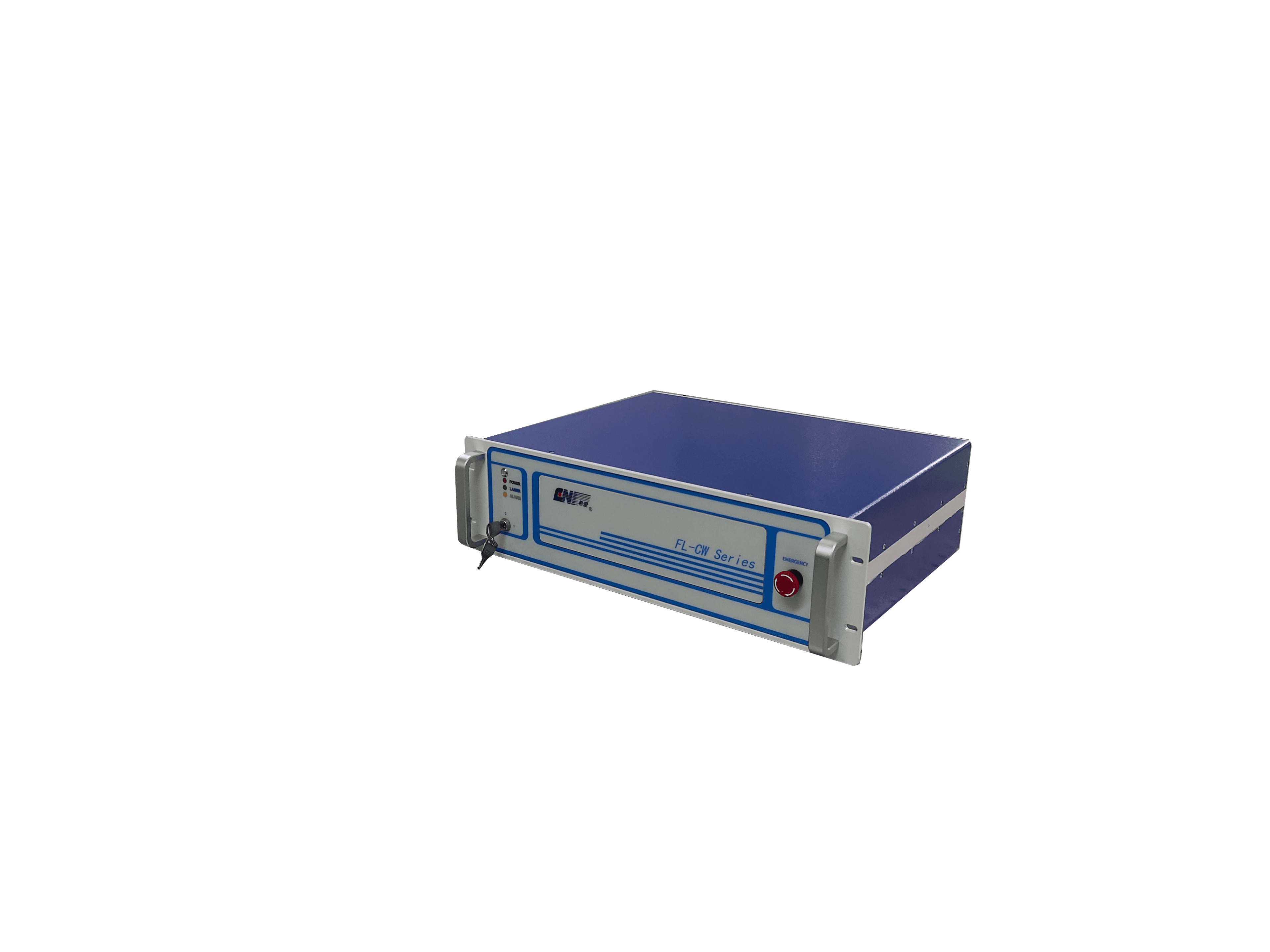
Fiber output, PM options, CW and pulsed
Combined lines, microscope engines
Power stability ≤ 0.5% over hours
Ultra-low amplitude noise
SLM, narrow linewidth, long coherence
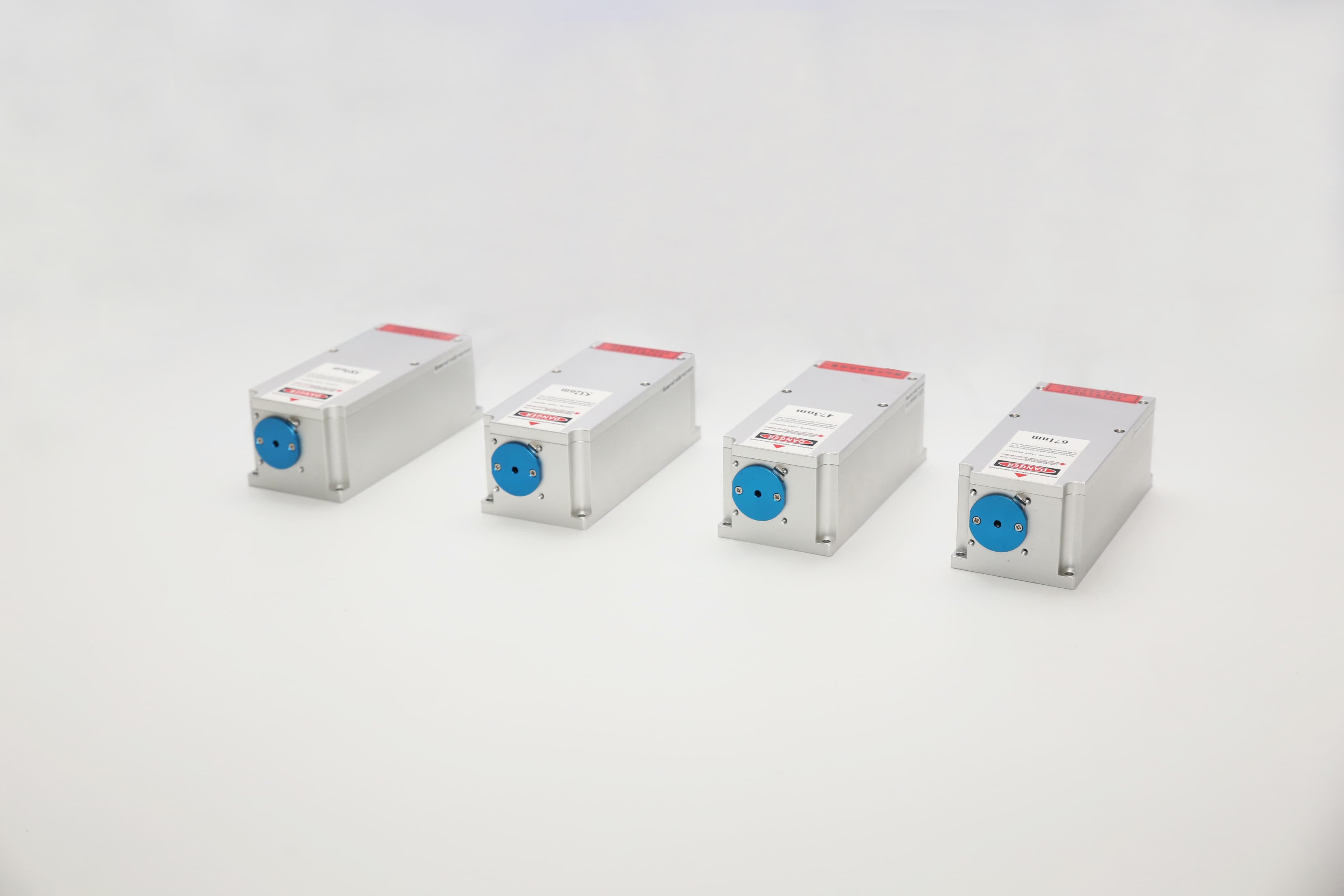
Nanosecond pulses, high peak power
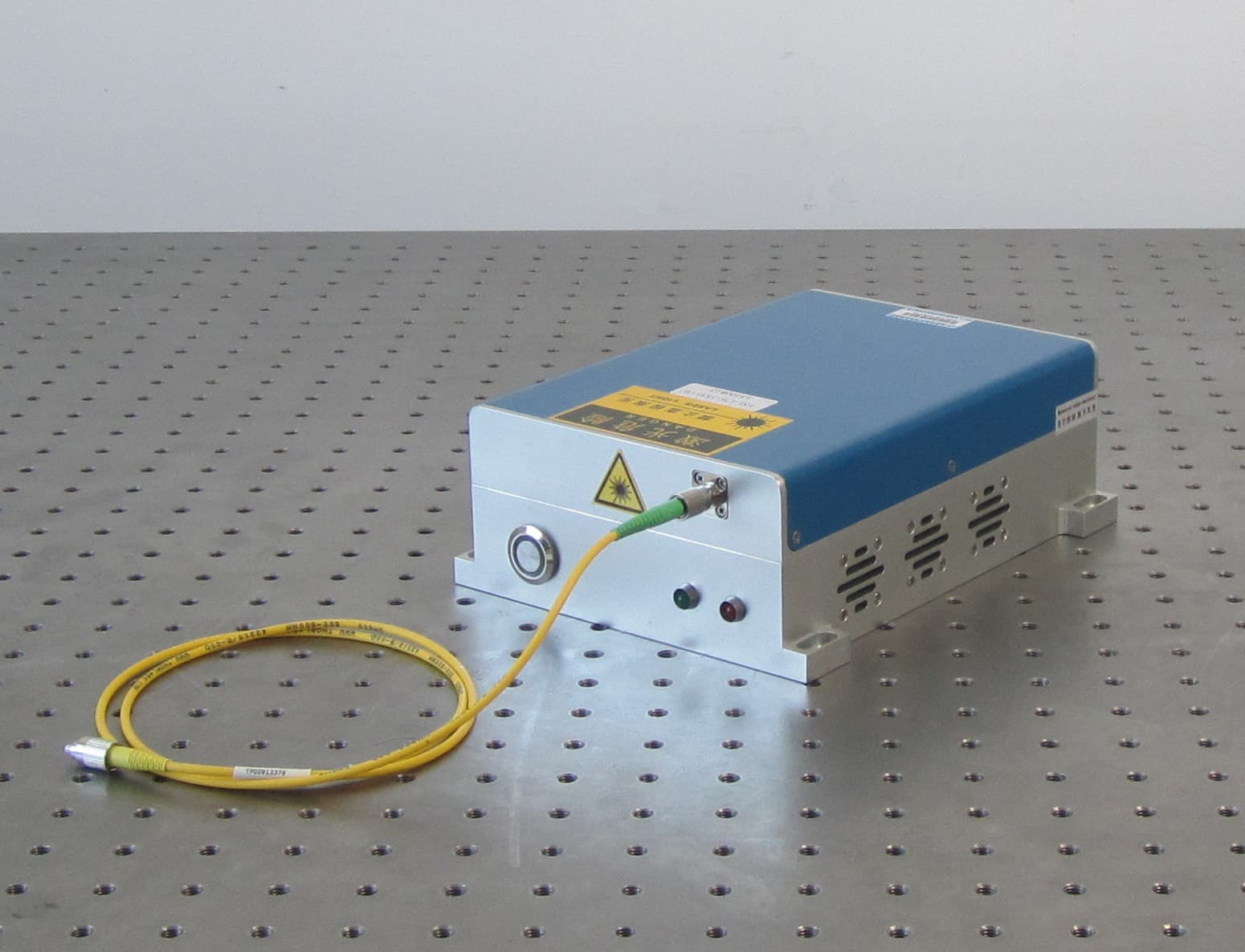
Picosecond and femtosecond pulses
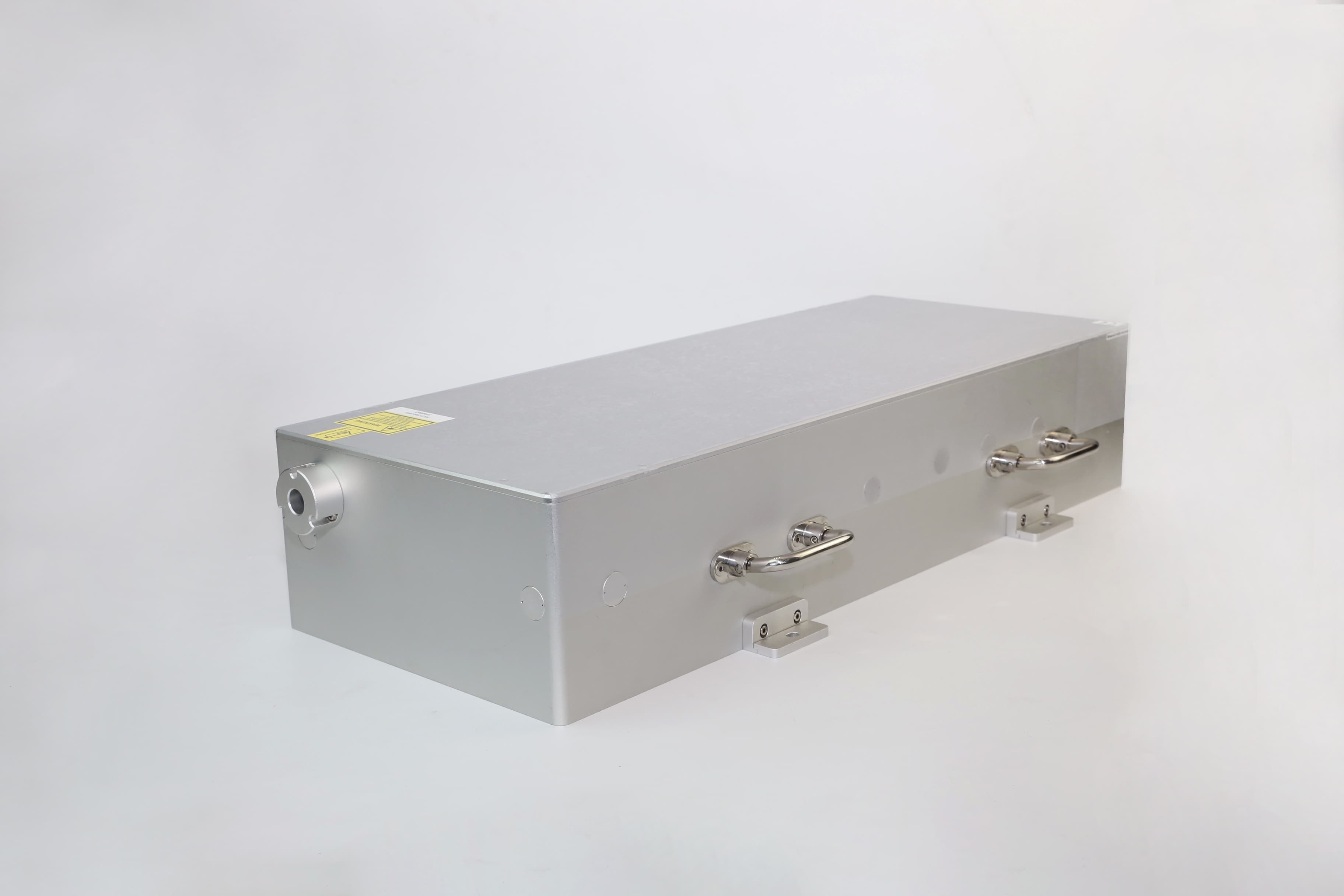
Adjustable output wavelength
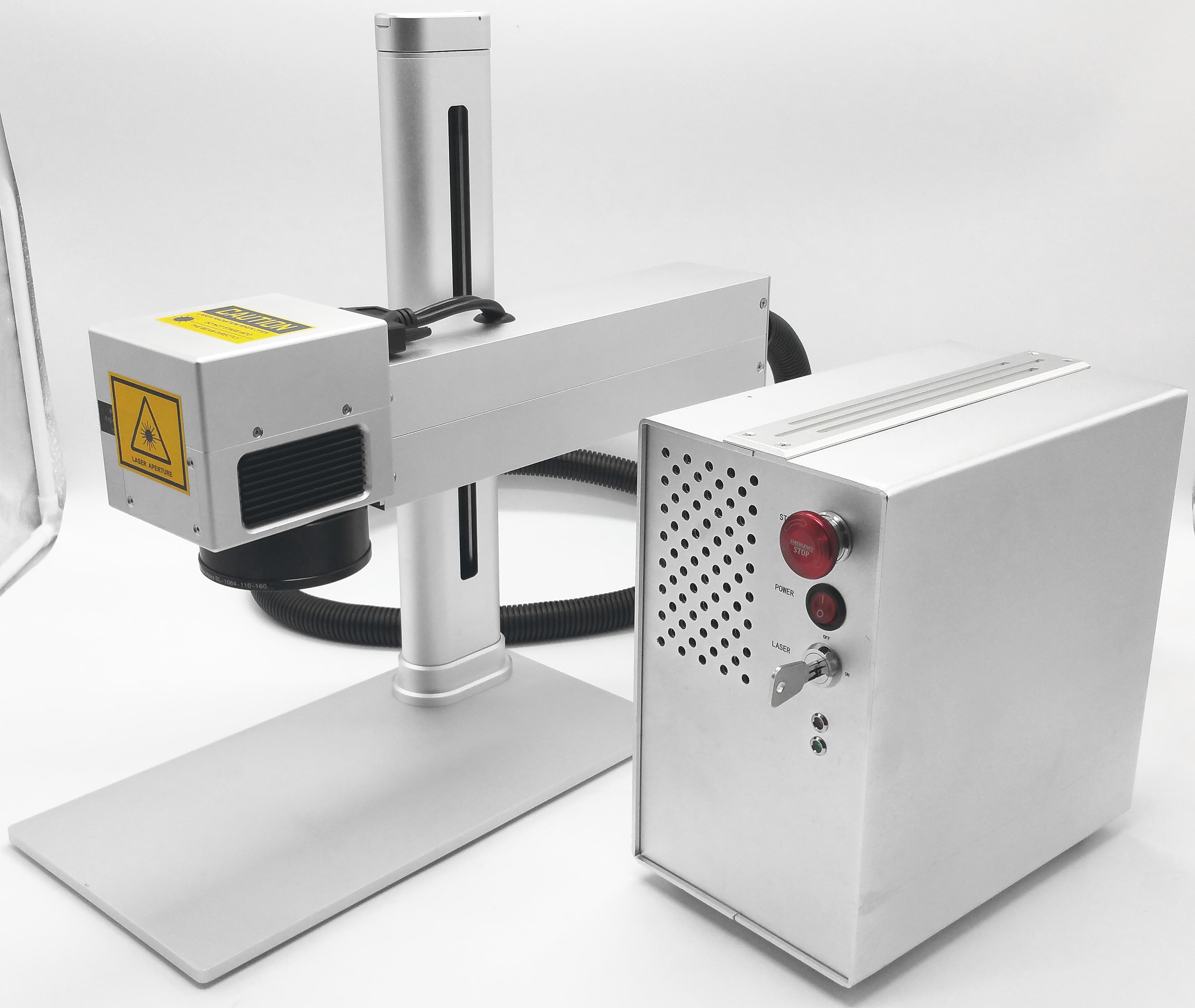
Watt-class and above output
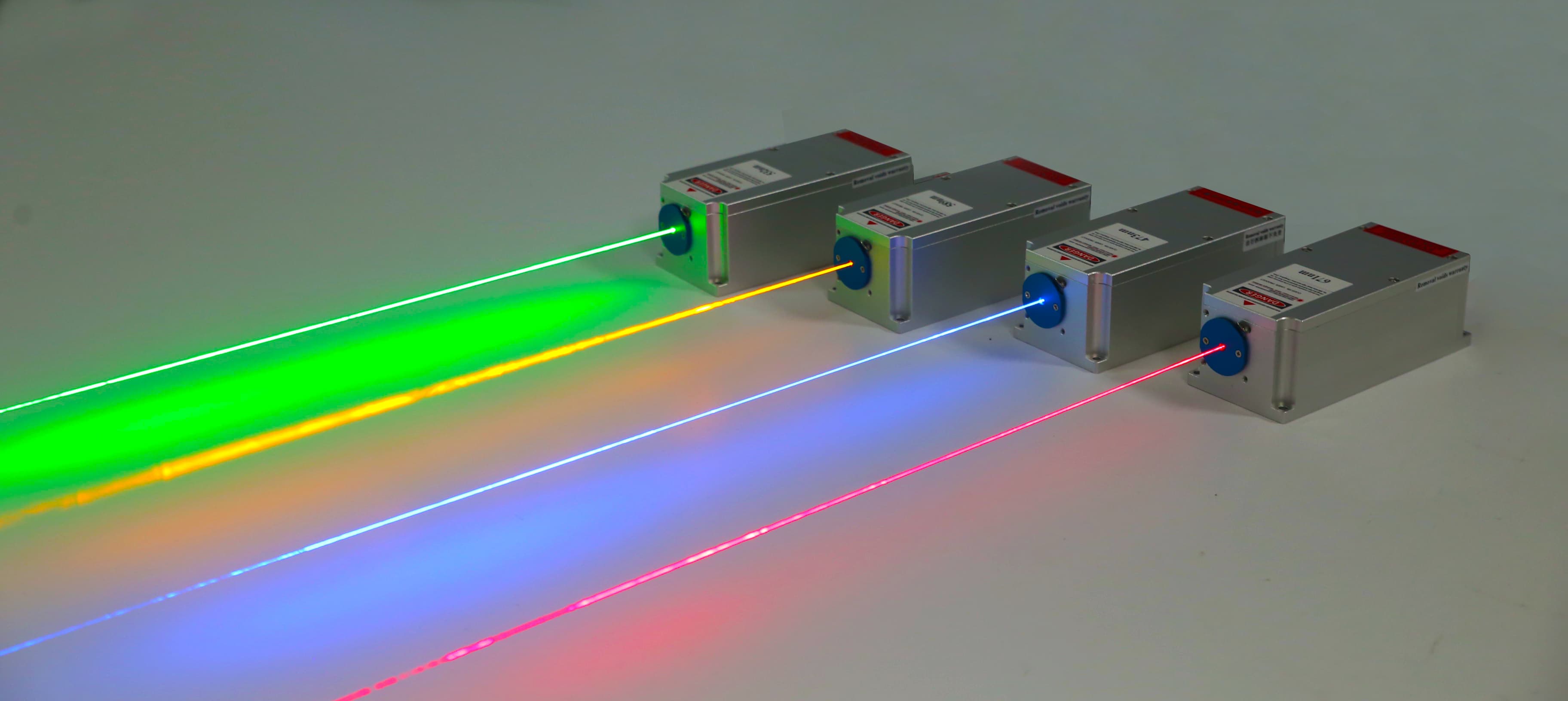
High per-pulse energy
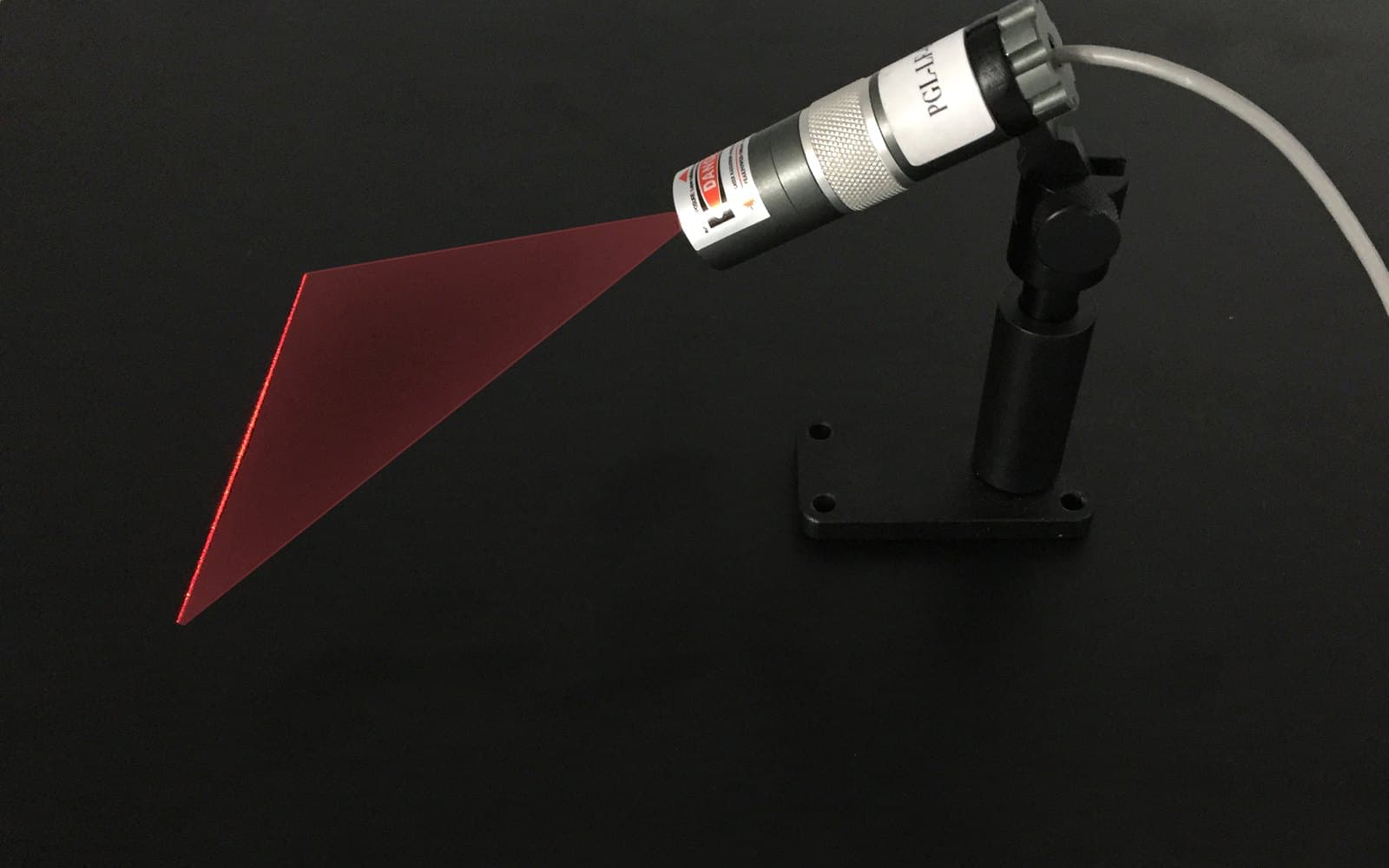
Structured line-beam projection
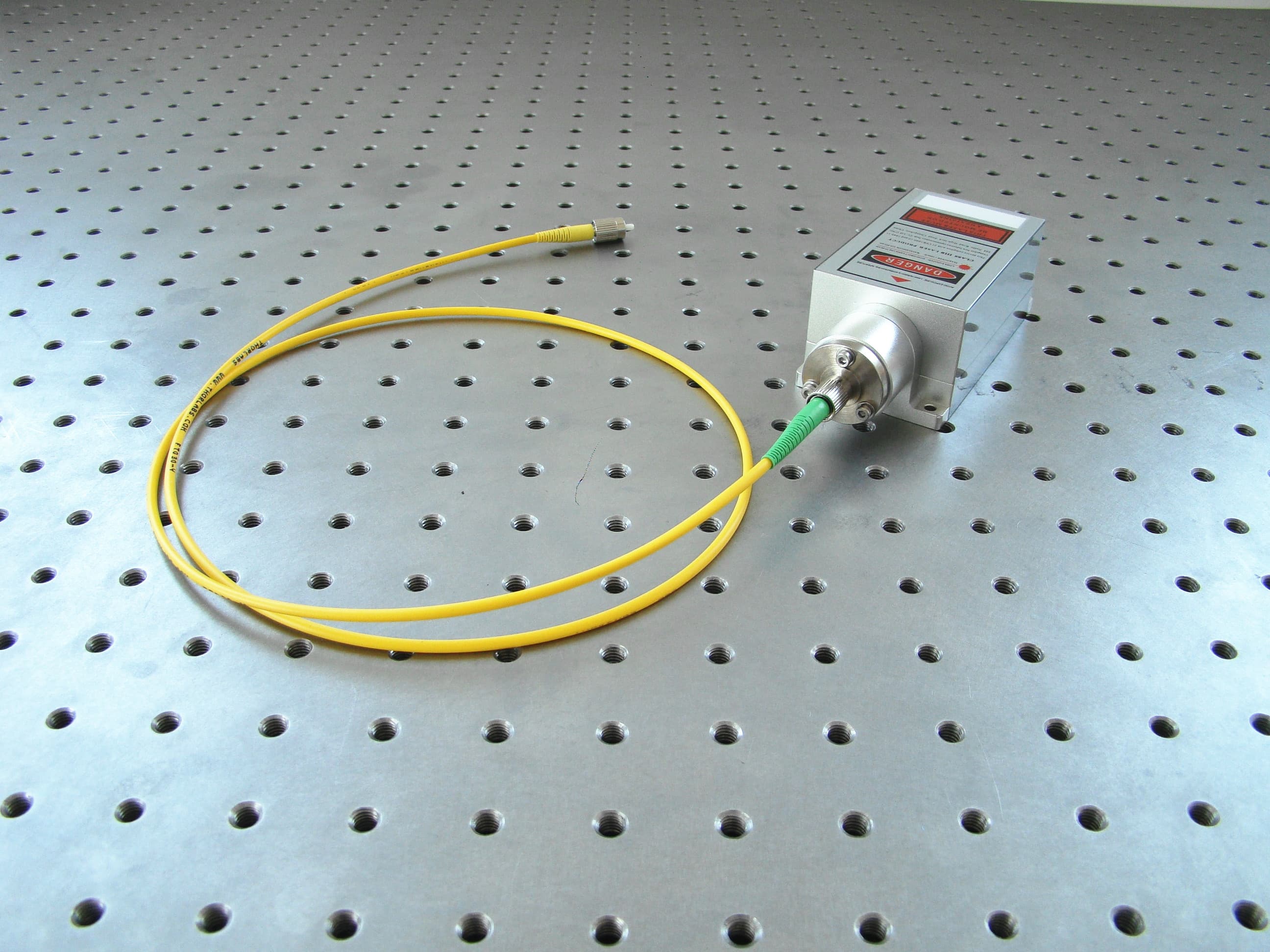
Fiber-pigtailed, SM/MM delivery
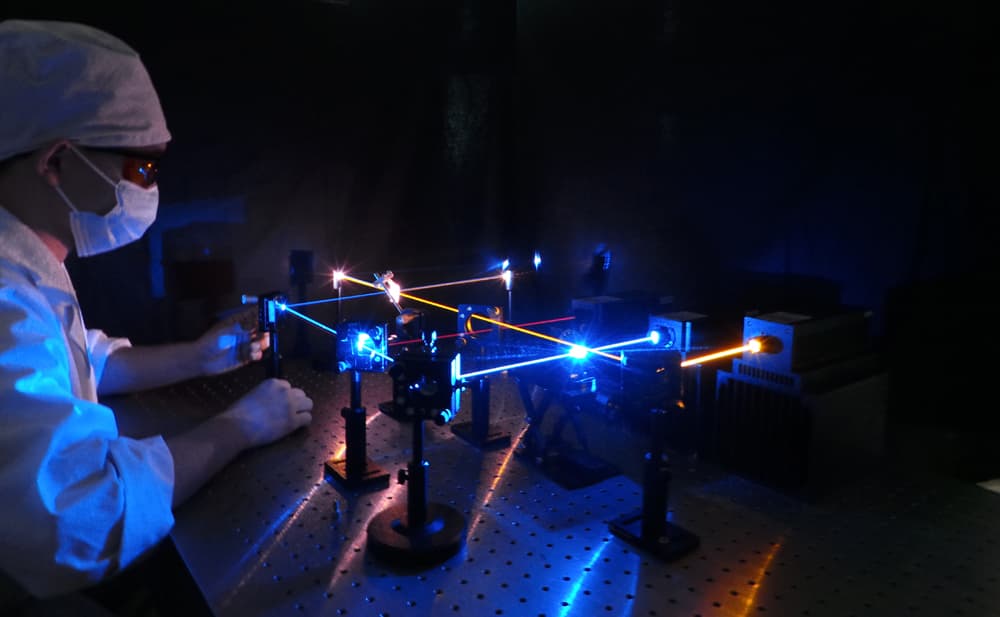
Compact modules for integration
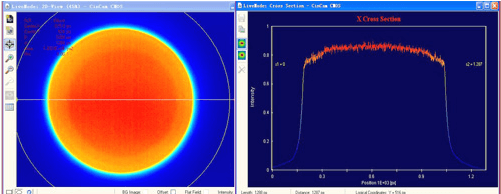
Broadband white-light output
Optical Spectrum Console
Optical engineers search by emission line, not arbitrary catalog part numbers. Explore dedicated landing hubs with side-by-side model comparisons, power ranges, and datasheets.
High-demand wavelengths for confocal microscopy, Raman spectroscopy, optical tweezers, and telecom.
Wafer inspection · UV Raman · Photolithography · MALDI
Micromachining · Stereolithography · Scribing · Flow cytometry
Confocal microscopy · Photolithography · Resin curing · Cytometry
Copper welding · Optogenetics (ChR2) · Displays · Laser projection
Flow cytometry · Confocal GFP/FITC · DNA sequencing · Bio-imaging
Solar processing · Glass cutting · Copper welding · Spectroscopy
Machine vision · Industrial alignment · Bio-excitation · Displays
Raman spectroscopy · PIV · Confocal microscopy · Laser display
Live-cell confocal · mCherry / RFP · TIRF · Super-resolution
Sodium D2 resonance · Laser guide star · Optogenetics (NpHR)
He-Ne replacement · Interferometry · Optical alignment · Holography
Confocal Cy5/Alexa 647 · Flow cytometry · Life science engines
Red · CW, Single-Frequency, Pulsed · Datasheets & quote request
Red · CW, Single-Frequency, Pulsed · Datasheets & quote request
Raman spectroscopy · NIR fluorescence · OCT · Forensic analysis
Nd:YAG crystal pumping · Dermatology · Plastic welding · Illumination
EDFA fiber pumping · Optical trapping · Dental surgery · Welding
Ultrafast amplifiers · Femtosecond seeding · Micromachining · SHG
Optical trapping · Material processing · LIDAR · SHG pumping
Telecom O-band · Through-silicon inspection · OCT · Silicon photonics
Eye-safe LIDAR · Telecom C-band · Rangefinding · Free-space optics
Medical surgical ablation · Plastic welding · Gas sensing · Mid-IR pump
Water absorption peak · Dental hard tissue · Skin resurfacing · Surgery
Interferometry · Holography · Coherence > 50 m · Spectroscopy
Qualification rule
line, output power, linewidth, stability, noise, beam quality, delivery
pulse energy, pulse width, repetition rate, trigger, jitter, spot size
channel list, power after fiber, modulation, connector, control interface
excitation line, spectral resolution, filter set, detector range, probe geometry
Application-led laser selection
From resolving a weak Raman line to holding a single cell in place, the application defines the laser. Explore the workflow, identify the critical parameters, then qualify the source with Precisometer.
Application library
 01
01Protect weak molecular fingerprints with a clean, stable excitation line.
 02
02Keep every excitation channel steady while cells move at instrument speed.
 03
03Put the right photons at the sample—channel by channel, scan by scan.
04Turn a seeded flow field into a crisp, time-resolved velocity map.
05Create a quiet, stable trap for forces measured at the nanoscale.
 06
06Address narrow transitions without letting the source become the experiment.
 07
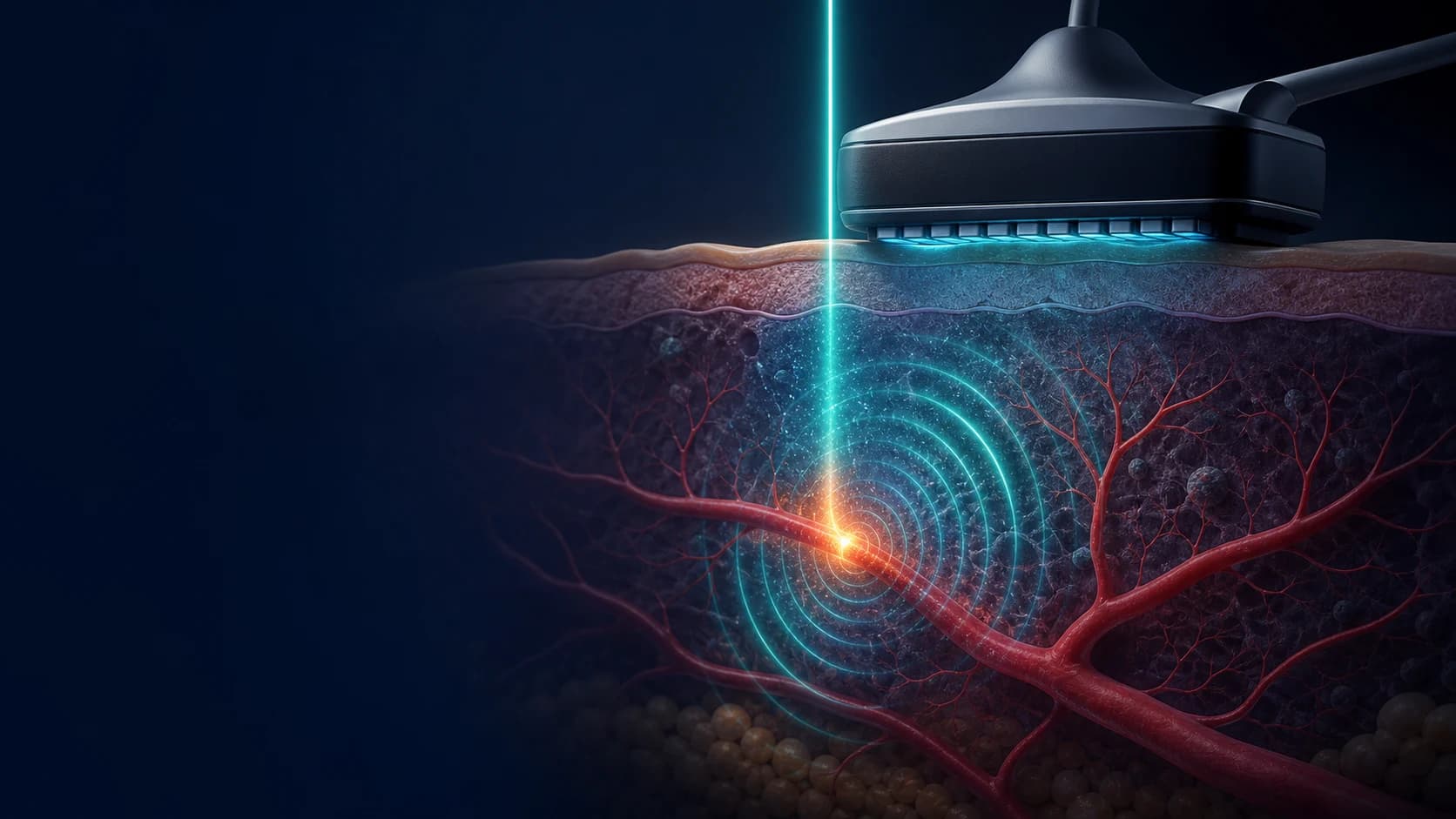
07Convert optical absorption into depth-resolved acoustic contrast.
 08
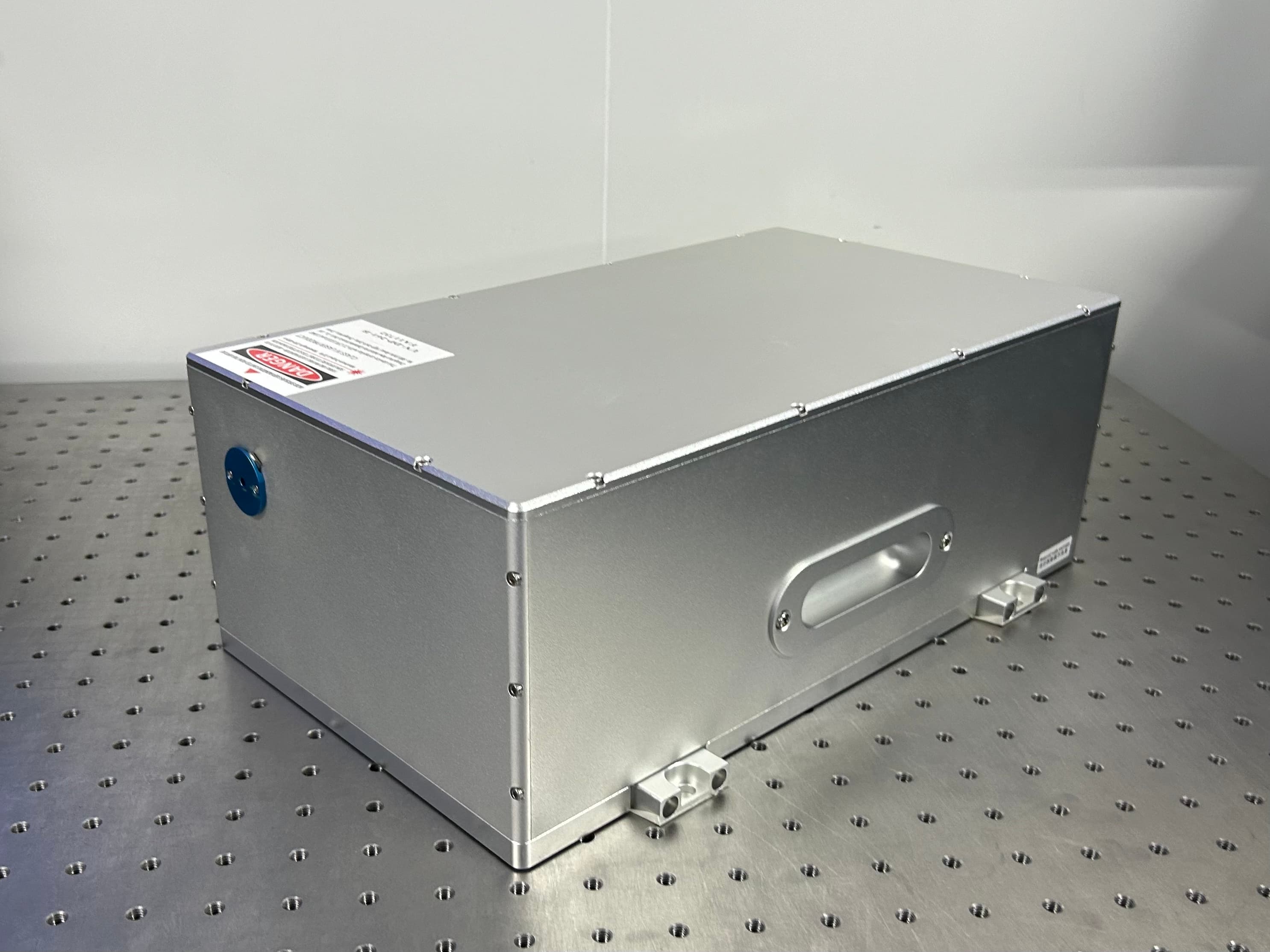
08Deliver stable UV pulses for repeatable desorption and efficient ionization.
09Feed a tunable ultrafast source with a quiet, high-quality green pump.
10Set the pulse–material interaction to remove, sample, or identify matter.
11Create high-contrast, small-feature marks with less heat in the part.
12Match excitation, delivery, and detection around the light your sample returns.
Precisometer laser request
Include application, wavelength, mode, power or energy, linewidth or pulse width, delivery, control, and safety constraints.
Before you specify
Which specifications actually matter for your experiment, and what happens when the wrong one is optimised.
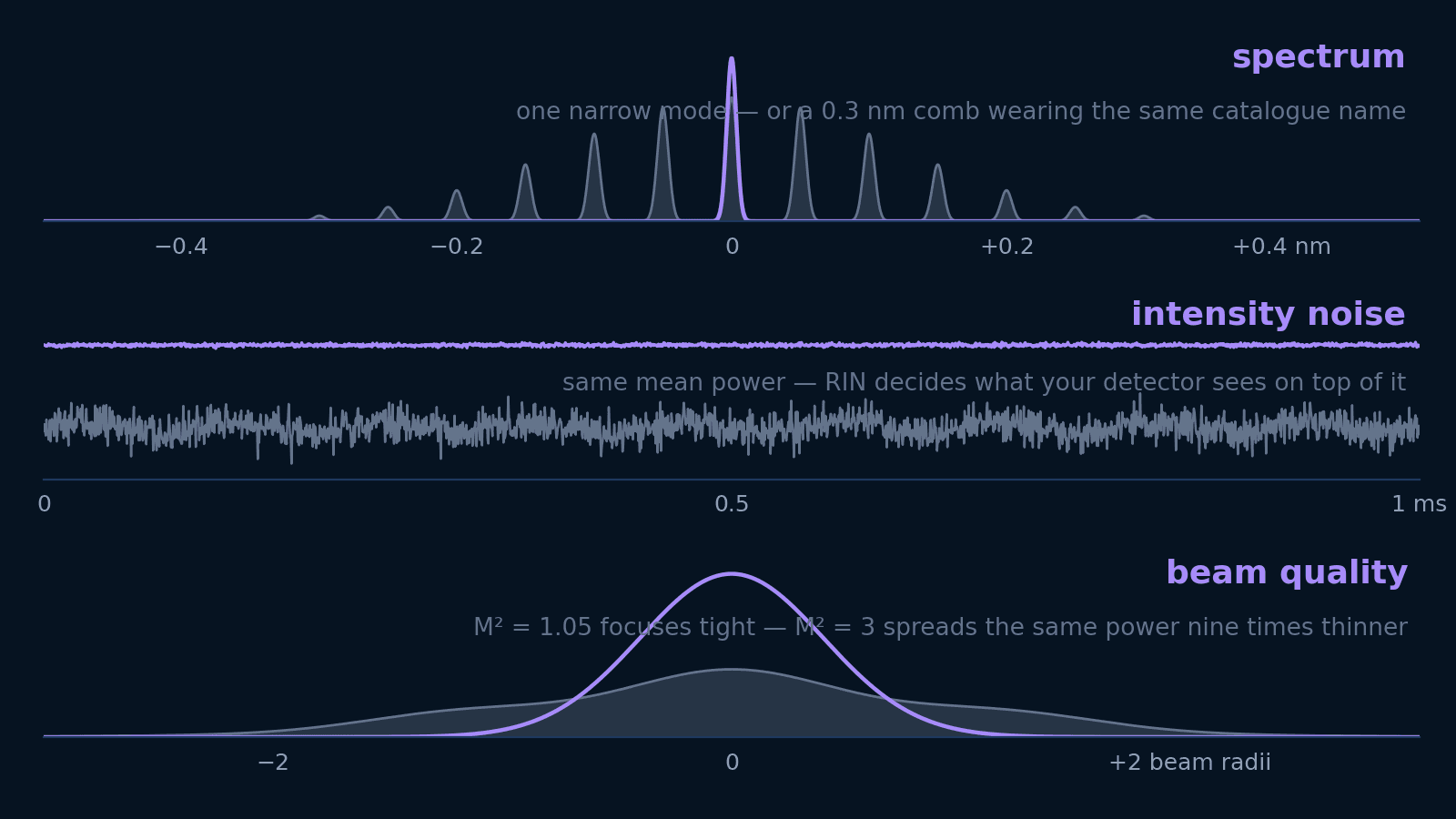 Photonics
Linewidth, spectral width, RIN, M², and coherence length answer five different questions. Translate each into the units your experiment is designed in — and learn which ones not to pay for.
Open guide Laser material processingChoose between MOPA fibre, CO₂ and pulsed UV, explore pulse energy and scan overlap, and turn your material, mark depth and throughput requirements into a Precisometer product shortlist.
Open guide Optical trappingWhy wavelength is decided by photodamage, focal heating, and detector bandwidth rather than trapping force — and what laser noise costs you in piconewtons.
Open guide Confocal microscopyConnect fluorophores, pinhole size, Airy units, spatial sampling, scan timing, modulation, and power after the fiber in one practical design workflow.
Open guide