Excitation spectrum
Use absorption and emission windows to choose the source.
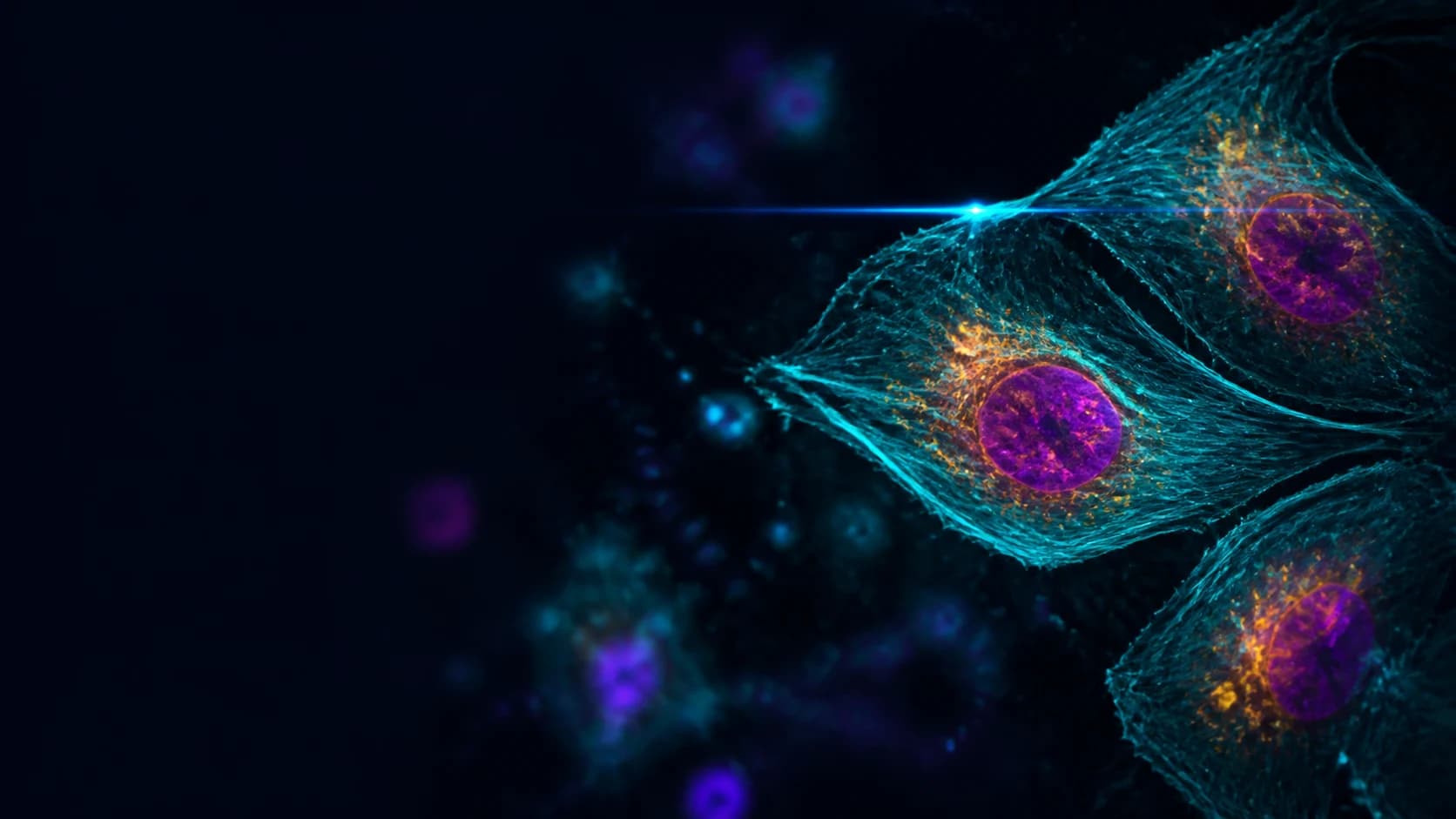
See living systems · Bioscience & imaging
Match excitation, delivery, and detection around the light your sample returns.
Use absorption and emission windows to choose the source.
Manage stray light, filters, and detector overlap.
Fiber and probe losses belong in the power budget.
Why the source matters
The correct source is defined at the sample or process—not at the laser aperture. Wavelength and operating mode set the interaction; stability, delivery, timing, and control determine whether it stays useful in the complete system.
Application workflow
Three decisions turn the application into a practical source specification.
Capture excitation efficiency, emission band, quantum yield, lifetime, and detector response.
Set intensity after coupling, probes, filters, scanning, and working-distance optics.
Define CW or modulation, timing, spectral capture, microscopy, and background rejection.
Selection guide
These are starting architectures. Precisometer qualifies the final wavelength, output, delivery, control, and integration package against your setup.
A stable CW source with clean filtering and suitable delivery is often sufficient.
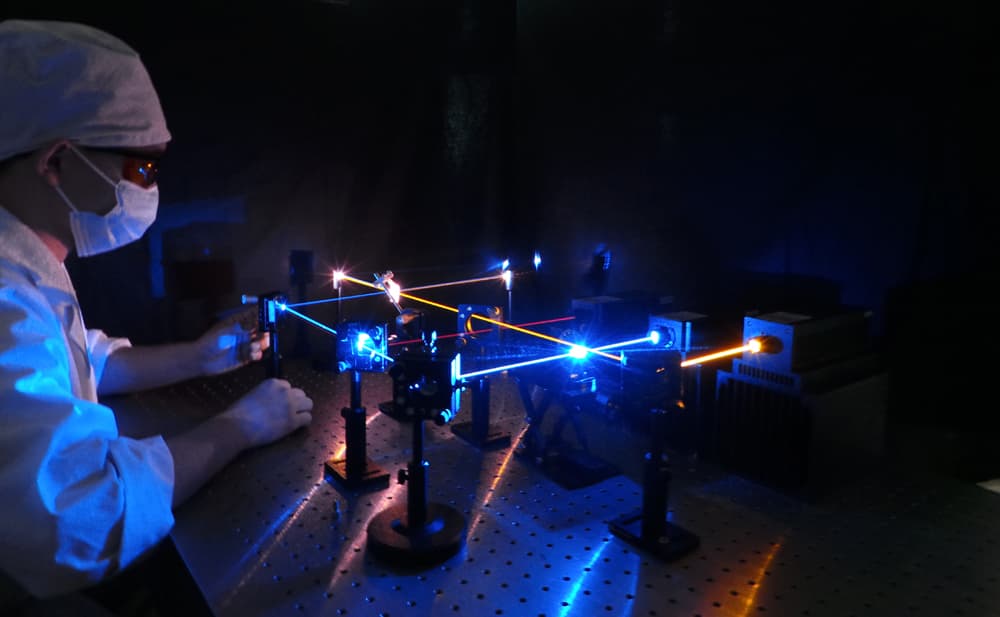
Use a controlled light engine or combiner to align several excitation channels.
Higher-power 808 or 980 nm sources need careful heating and delivery assessment.
Source architecture
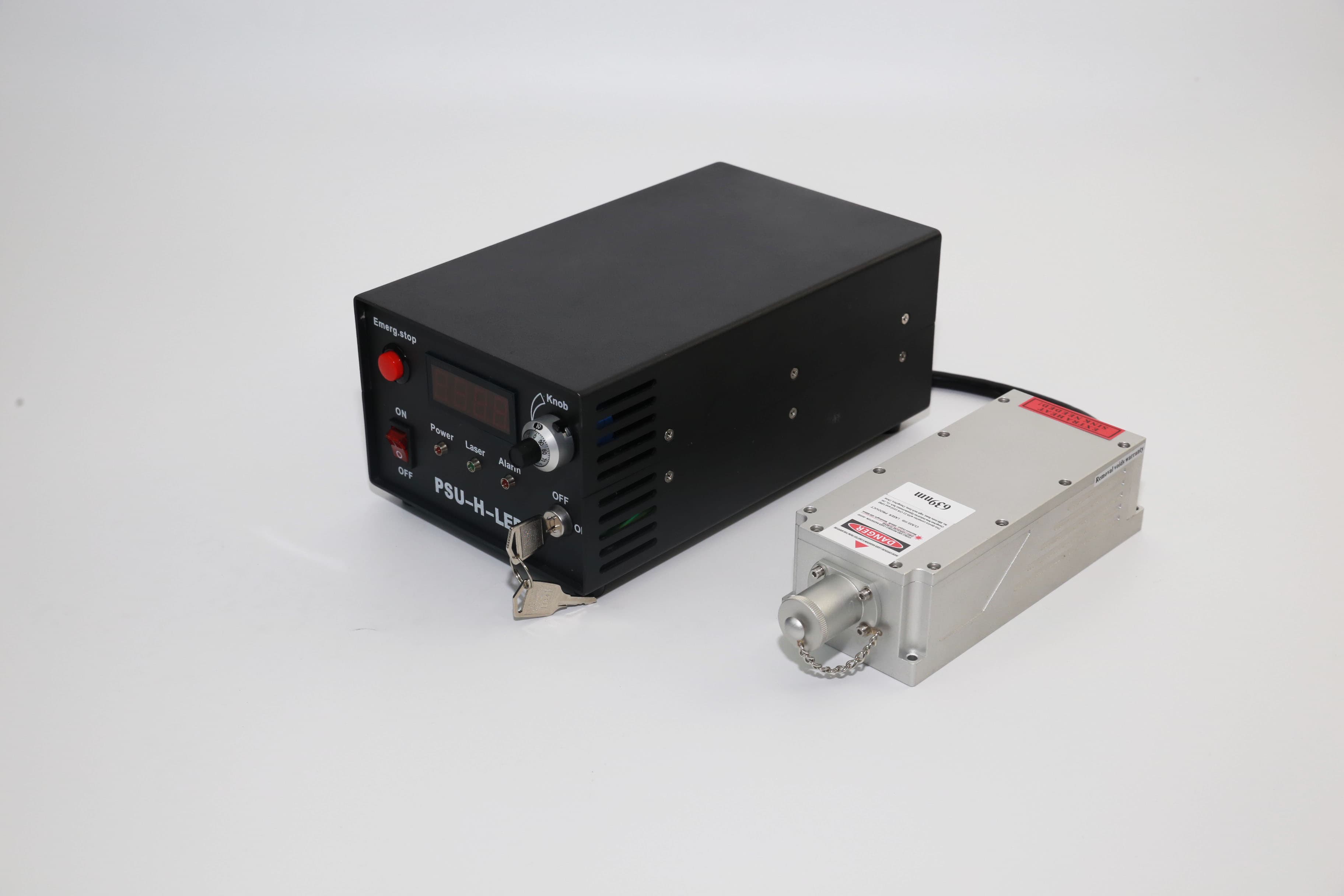
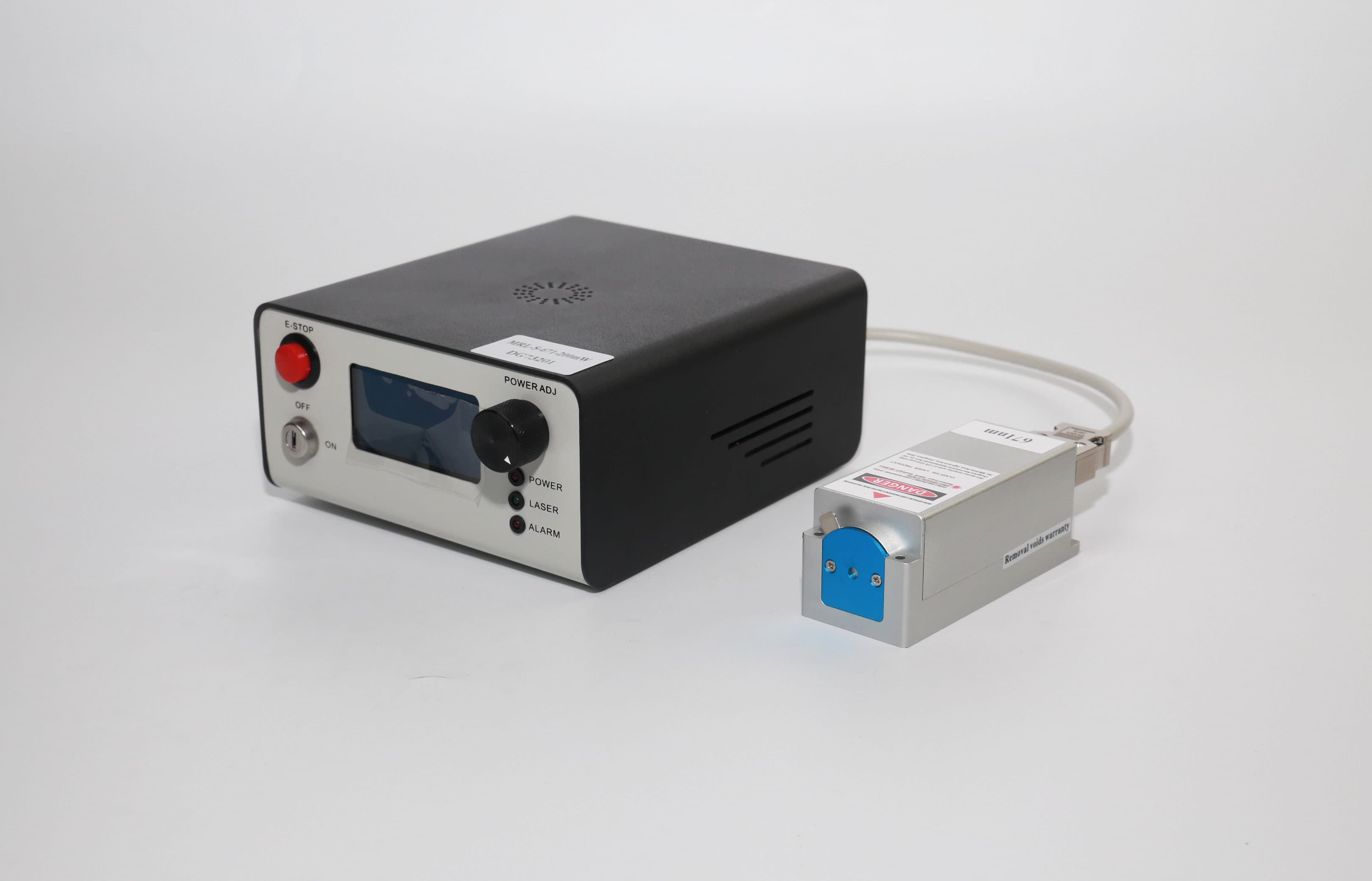
For stable continuous sources where clean beam quality, power stability, and practical instrument integration matter.
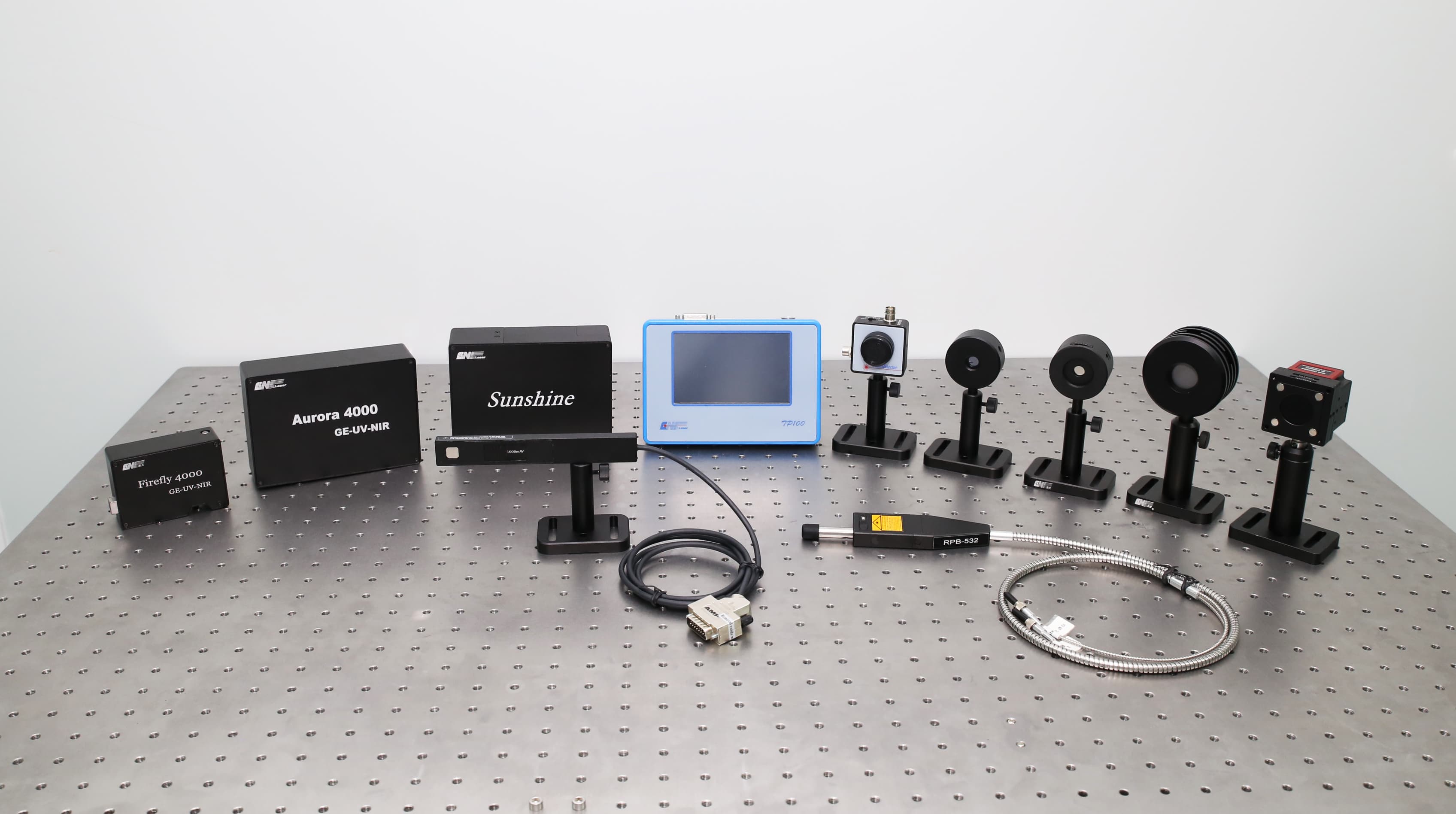
For customers who need the source and diagnostic chain specified together.
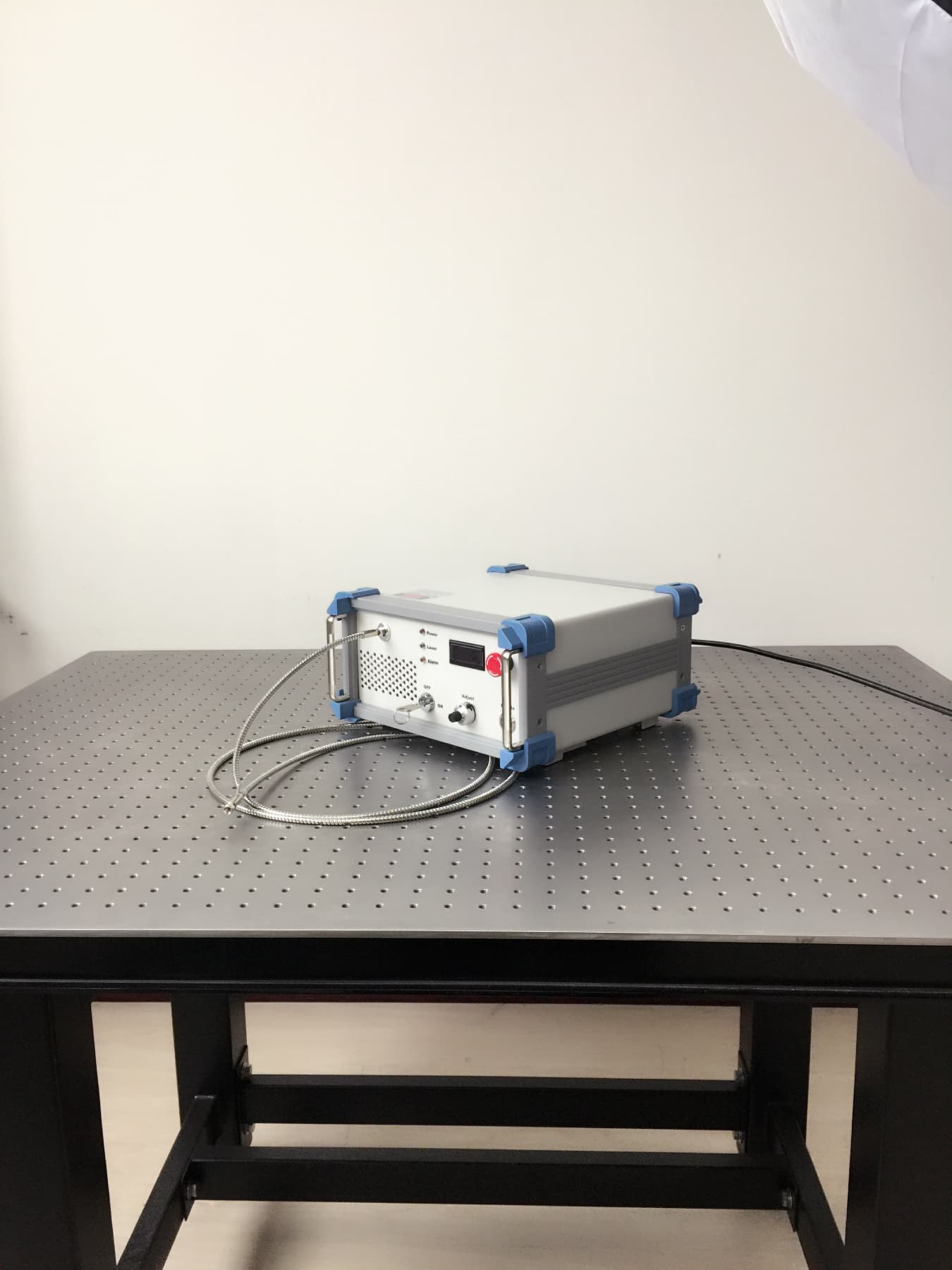
For instrument subsystems where the source, optics, control, and delivery path should be configured as one package.
Ready to specify
Ask for fluorophore, excitation and emission windows, power at sample, fiber/probe geometry, and detector range.
Continue exploring