Back to Home
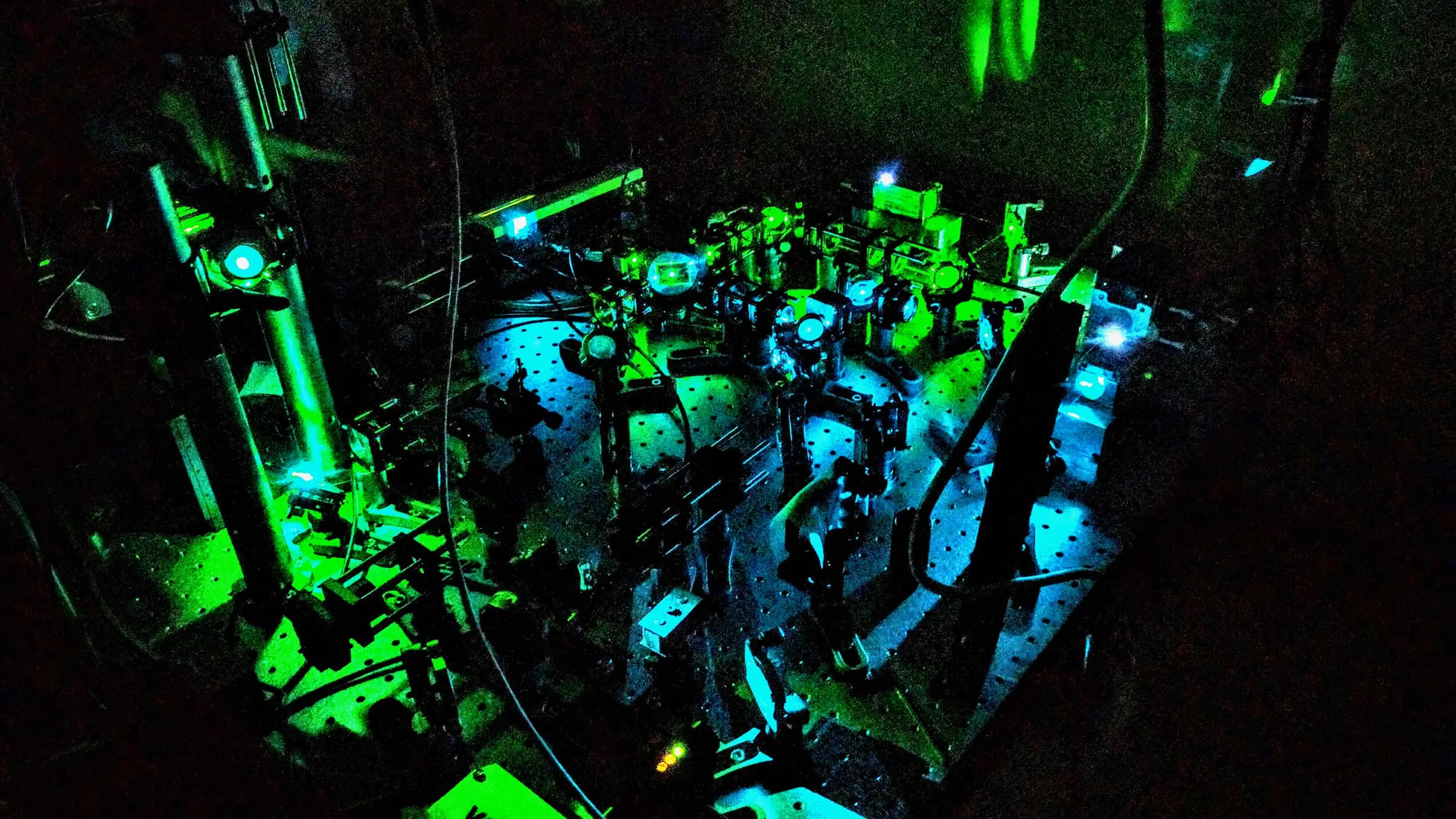
Optical tweezers experiment with a visible beam path on an optical table
Open hardware. Open software. Reproducible science.

Open instruments you can build, study, and improve.

Complete project files for optical trapping, Raman spectroscopy, and precision positioning—shared so researchers, educators, and makers can start with working foundations.

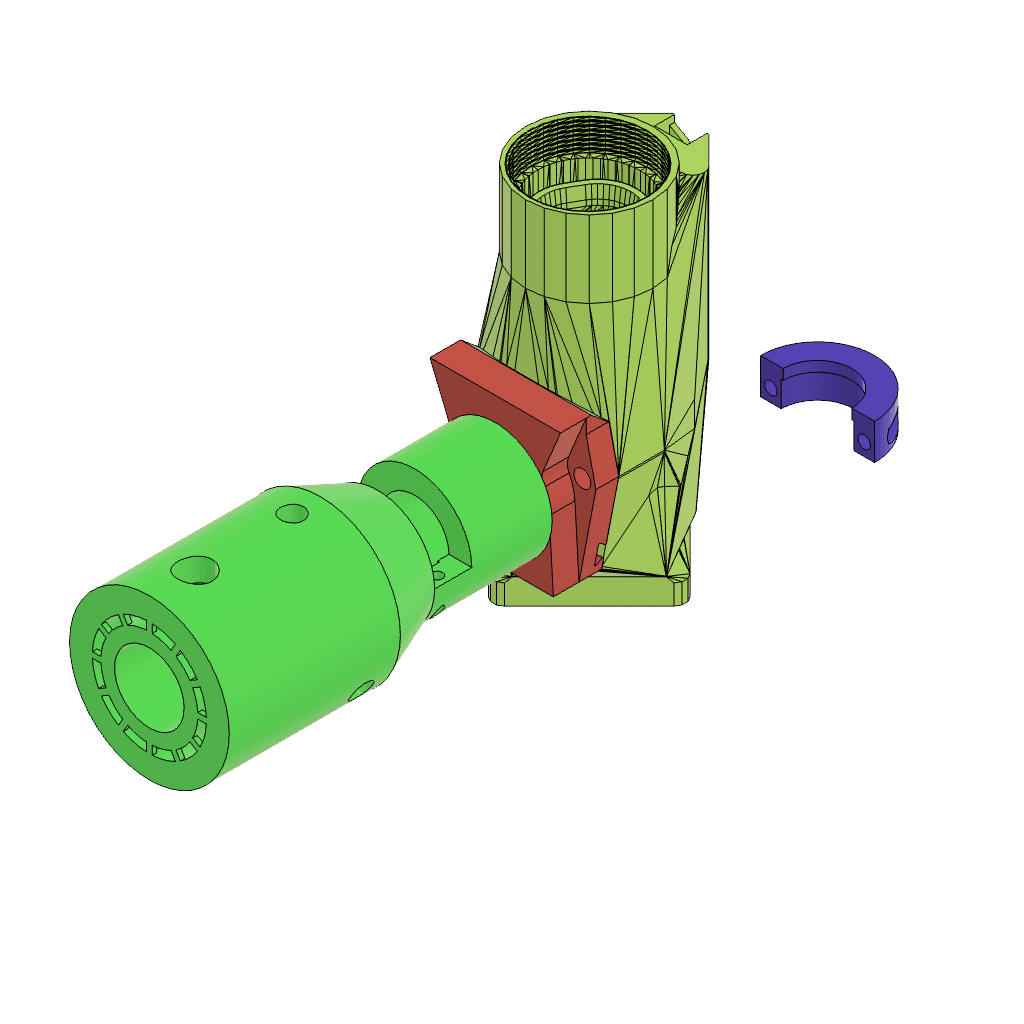
Open-source 3D model of the OpenFlexure optical tweezers attachment

Featured project

OpenFlexure Optical Tweezers

01 · Hardware + software

Add optical trapping to an OpenFlexure microscope.

This project combines printable optomechanics, editable CAD, and two simulations. Use it to understand the system first, then build or adapt the hardware for your laboratory or classroom.

Print-ready hardware

STL and 3MF files for the optical cube, laser mount, objective adapter, and alignment tools.

Editable CAD

Parametric OpenSCAD files so dimensions can be adapted to your own microscope and optics.

Browser simulation

Explore trap dynamics, Brownian motion, and particle escape without installing anything.

Python simulation

Run the desktop model locally for interactive force and Boltzmann-statistics experiments.

What you need

Start with five essentials.

  • A 3D printer
  • An OpenFlexure Microscope
  • A 635 nm laser diode
  • An RMS-threaded objective
  • Python 3 for the desktop simulation
Licence: CERN-OHL-S v2, built on the OpenFlexure platform.

See the build before you start

A practical walkthrough of the complete system.

Try the simulation

02 · Desktop software

Active

Acquire and analyse Raman spectra in one place.

Raman Studio is a cross-platform desktop application for OpenRAMAN spectrometers. It covers the workflow from live acquisition through calibration, processing, and material identification.

  • Live FLIR / Point Grey acquisition with hardware ROI control
  • Baseline removal, Savitzky–Golay smoothing, and peak detection
  • Wavelength calibration using known emission lines
  • Reference-library matching and Mol2Raman prediction
Stack
Python · PySide6
Formats
SPC · CSV · RSPC
Licence
CERN-OHL-W v2
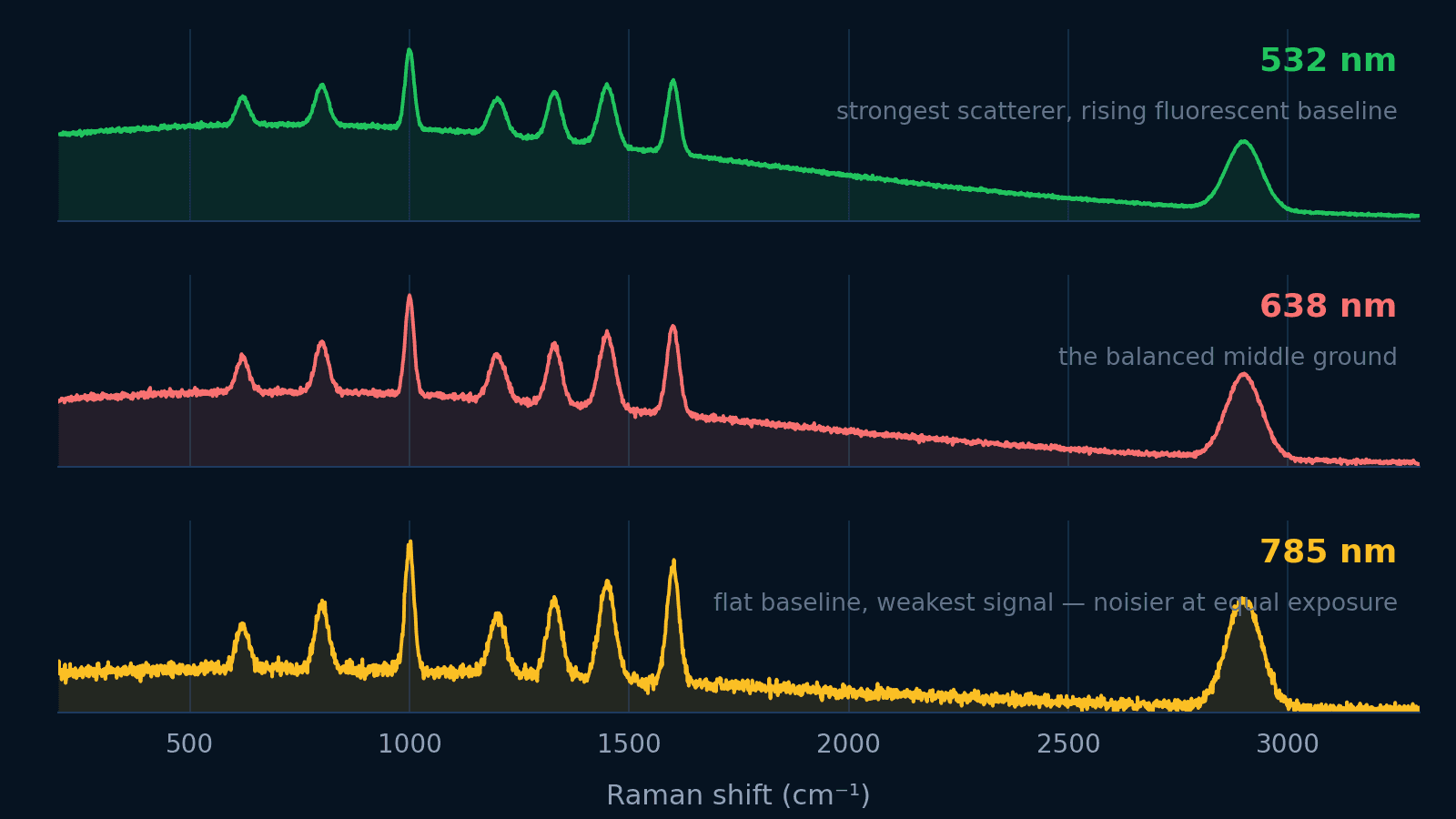
Comparison of Raman spectra measured at 532, 638, and 785 nanometres

From signal to an answer

Process spectra, calibrate the wavelength axis, and compare against a reference library.

Open hardware in development

Build the instrument—or one precise part of it.

The Arkin platform covers the complete optical-tweezers system. Its NEMA 11 stage is also documented as a useful standalone module.

Early development

03 · Arkin Project

Optical tweezers for education and citizen science.

An open optical-trapping microscope designed to work with the OpenFlexure and openUC2 ecosystems. The project focuses on an accessible build, lower-risk visible lasers, and reusable components.

The repository includes

  • Optical layout and baseline specifications
  • Printable OpenFlexure and openUC2 adapters
  • Motorised XY / XYZ stage files and bill of materials
  • Python particle-tracking and force-detection scripts

Hardware: CERN-OHL-S v2 · Software: GPL-3.0-or-later
Documented

04 · NEMA 11 precision stage

A printable linear axis for about €15 in mechanical parts.

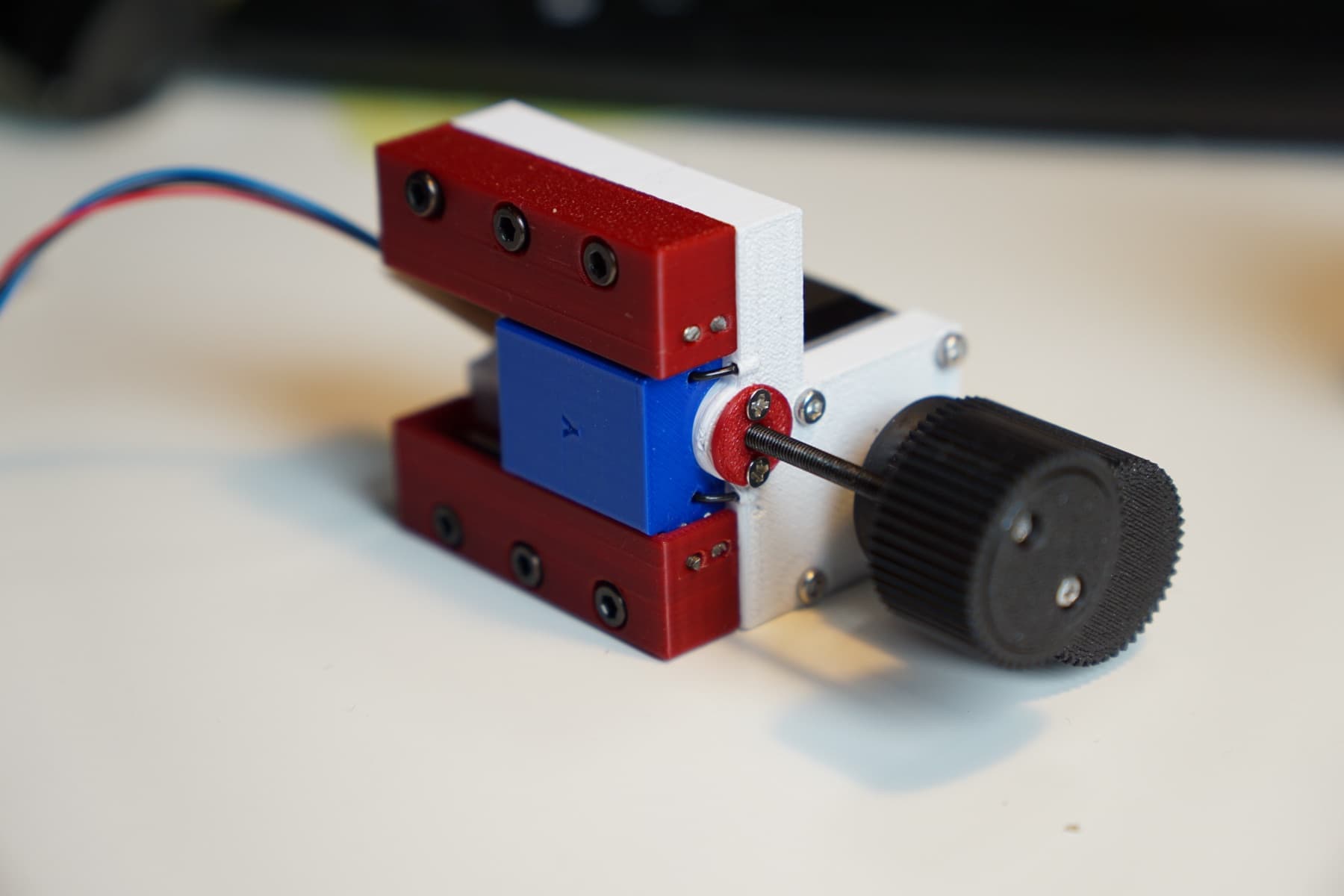
A NEMA 11 stepper drives an M3 lead screw through a printed 1:1 gear pair. Use one module as a linear stage or combine two for XY motion.

Finished open-source NEMA 11 geared precision stage
Travel range
50 mm
Linearity
R² = 0.978
Controller
UNO R4 + TMC2209
Files
STL · CAD · CSV
Measured honestly: this is an open-loop stage, not a nanometre positioner. Printed-body and M3-thread compliance dominate below roughly 2.5–4 µm.

Hardware licence: CERN-OHL-S v2

How to contribute

Useful contributions start small.

You do not need to redesign an instrument. A clear issue, corrected instruction, measured result, or build photo can move a project forward.

  1. 01

    Choose a repository

    Read its scope, licence, and current documentation.

  2. 02

    Build or test

    Reproduce a result and record what worked or failed.

  3. 03

    Share the evidence

    Open an issue or merge request with clear context.

Build in the open

Use the files. Question the design. Share what you learn.

Start from a repository, or contact us if you are unsure which project fits your work.