Stable optical force
Power and pointing noise translate directly into force noise.
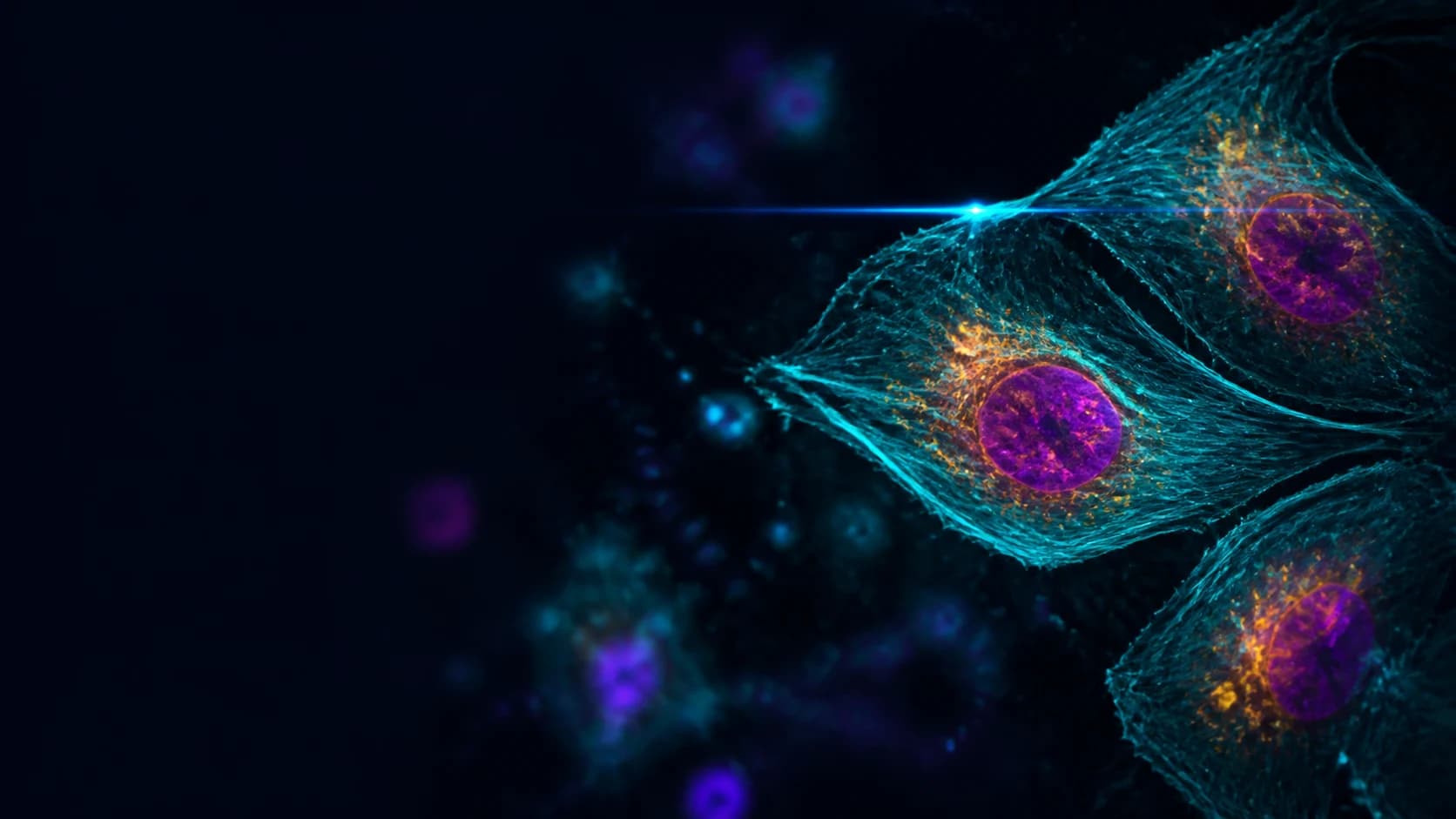
See living systems · Bioscience & imaging
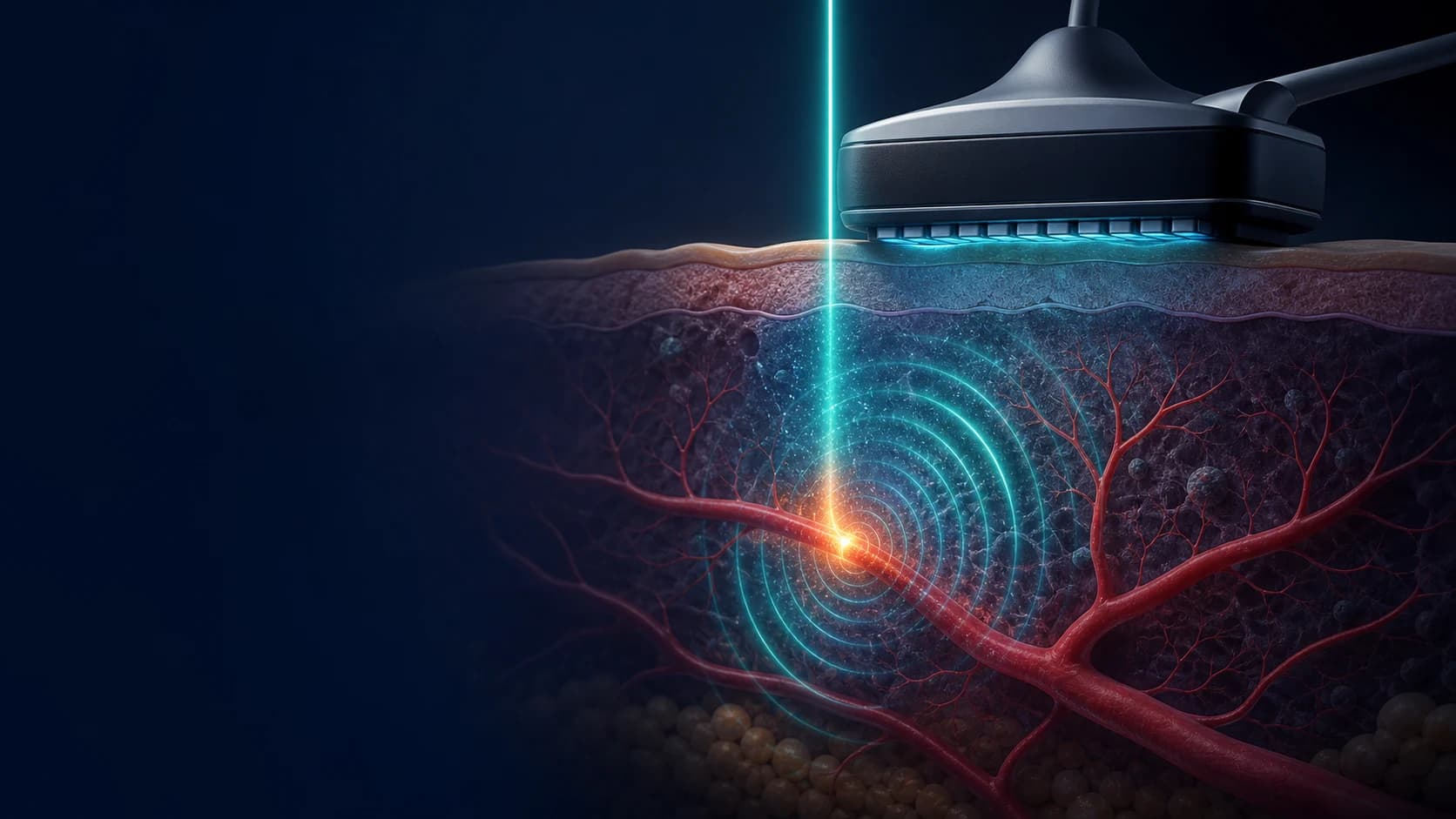
Create a quiet, stable trap for forces measured at the nanoscale.
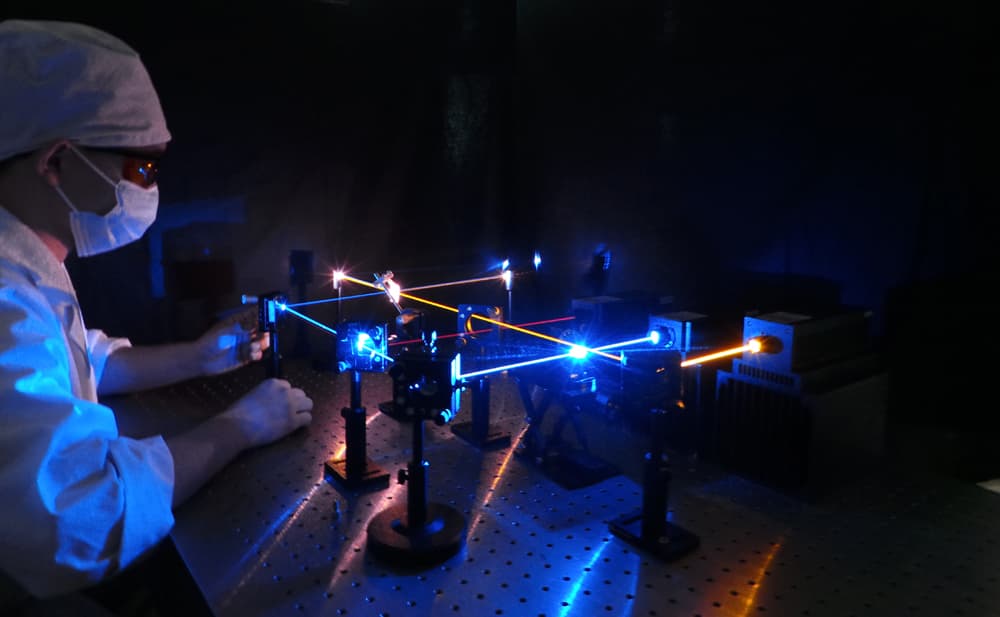
Power and pointing noise translate directly into force noise.
Good beam quality supports a tight, predictable focus.
1064 nm is widely used to reduce absorption and photodamage.
Why the source matters
The correct source is defined at the sample or process—not at the laser aperture. Wavelength and operating mode set the interaction; stability, delivery, timing, and control determine whether it stays useful in the complete system.
Application workflow
Three decisions turn the application into a practical source specification.
Set particle or cell type, medium, objective NA, trap geometry, and required force range.
Include isolation, expansion, steering, objective transmission, and split-beam optics.
Specify amplitude noise, long-term stability, pointing stability, mode quality, and thermal behavior.
Selection guide
These are starting architectures. Precisometer qualifies the final wavelength, output, delivery, control, and integration package against your setup.
A low-noise 1064 nm TEM00 source provides a direct, proven architecture.
A fiber laser simplifies routing when polarization and mode stability are controlled.
Add isolation, monitoring, steering, and calibration to the source configuration.
Source architecture
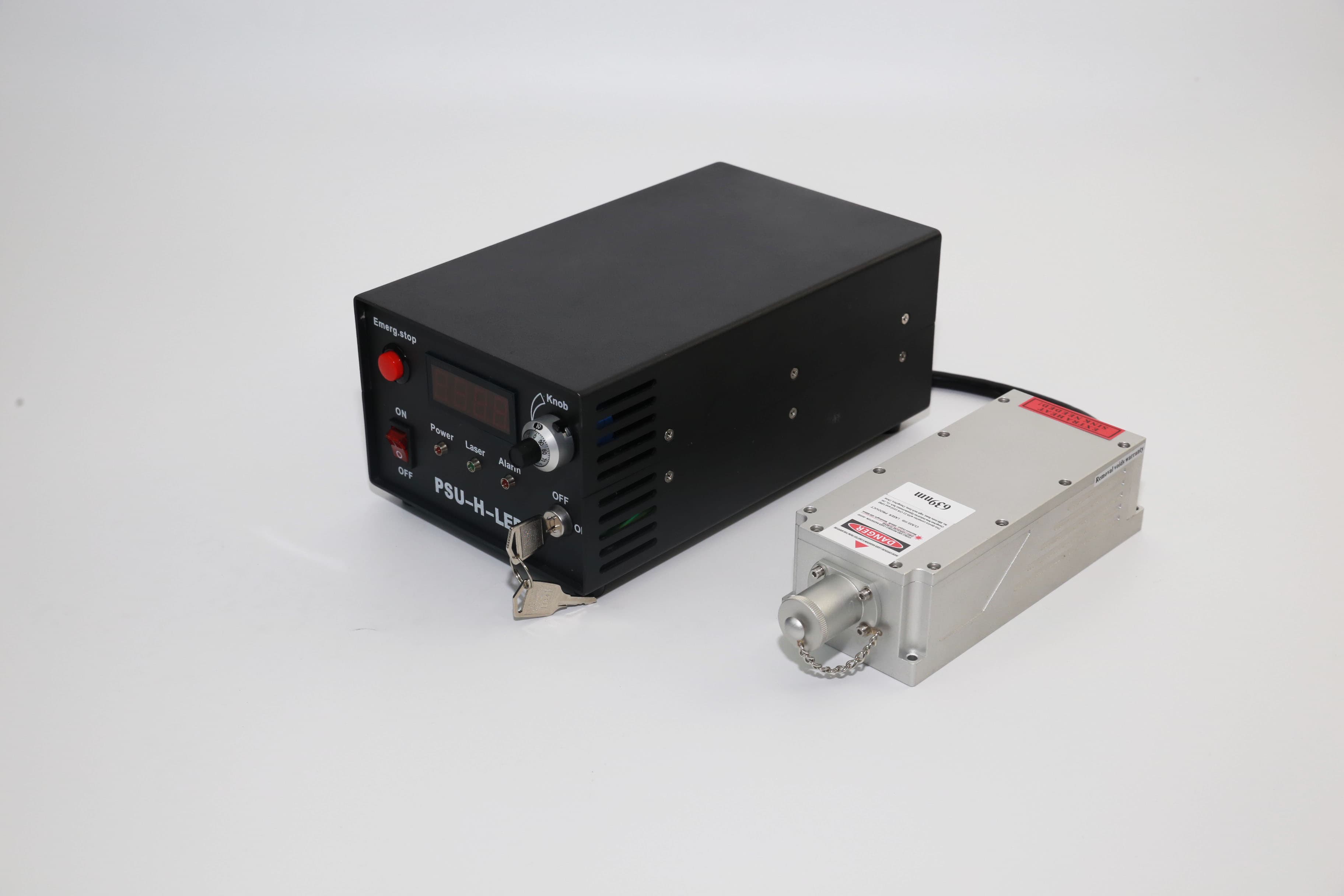
For stable continuous sources where clean beam quality, power stability, and practical instrument integration matter.
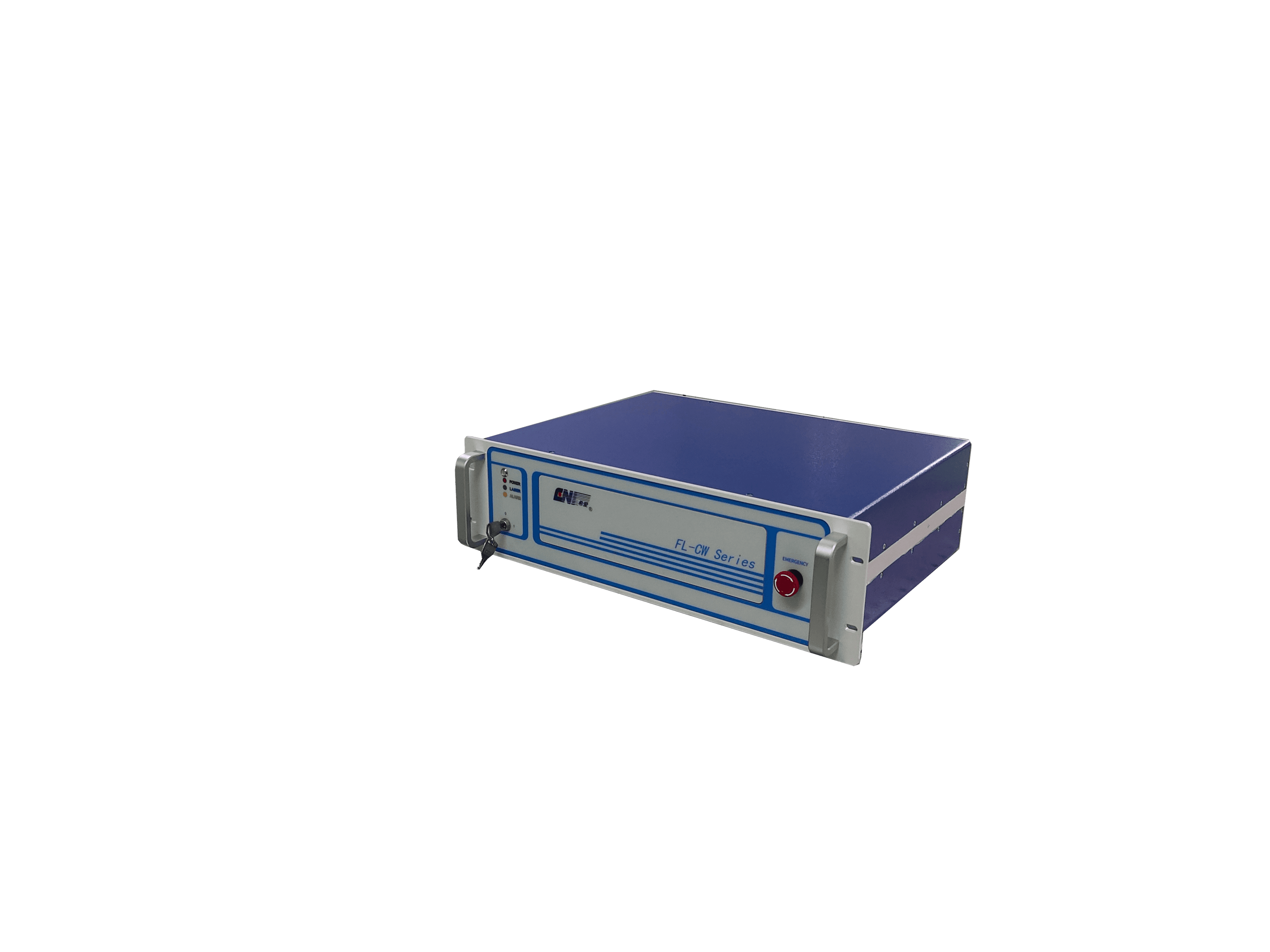
For setups that benefit from stable fiber delivery, compact beam routing, and defined polarization handling.
Ready to specify
Ask for trap geometry, power at sample, objective NA, pointing stability, noise target, and expansion or isolation optics.
Continue exploring