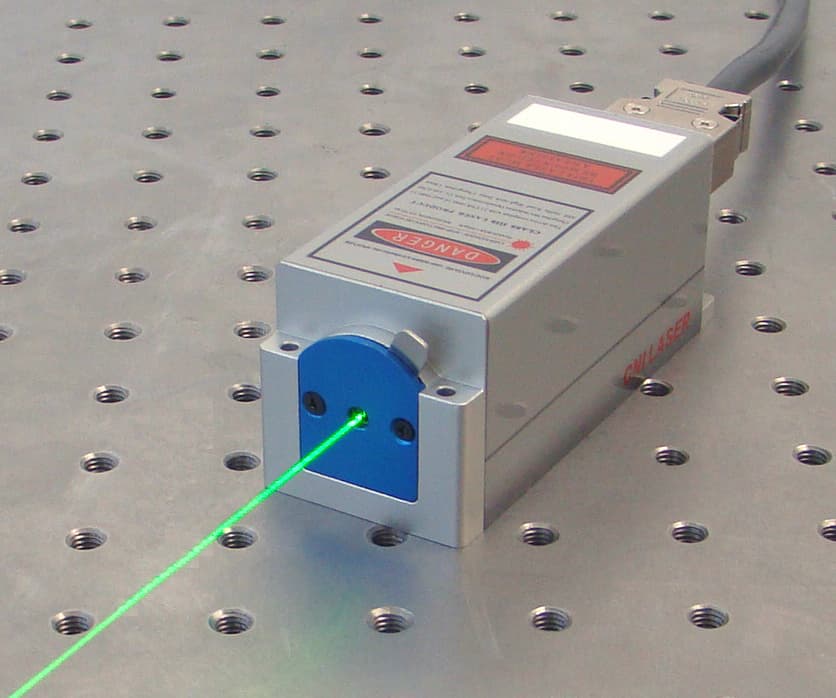
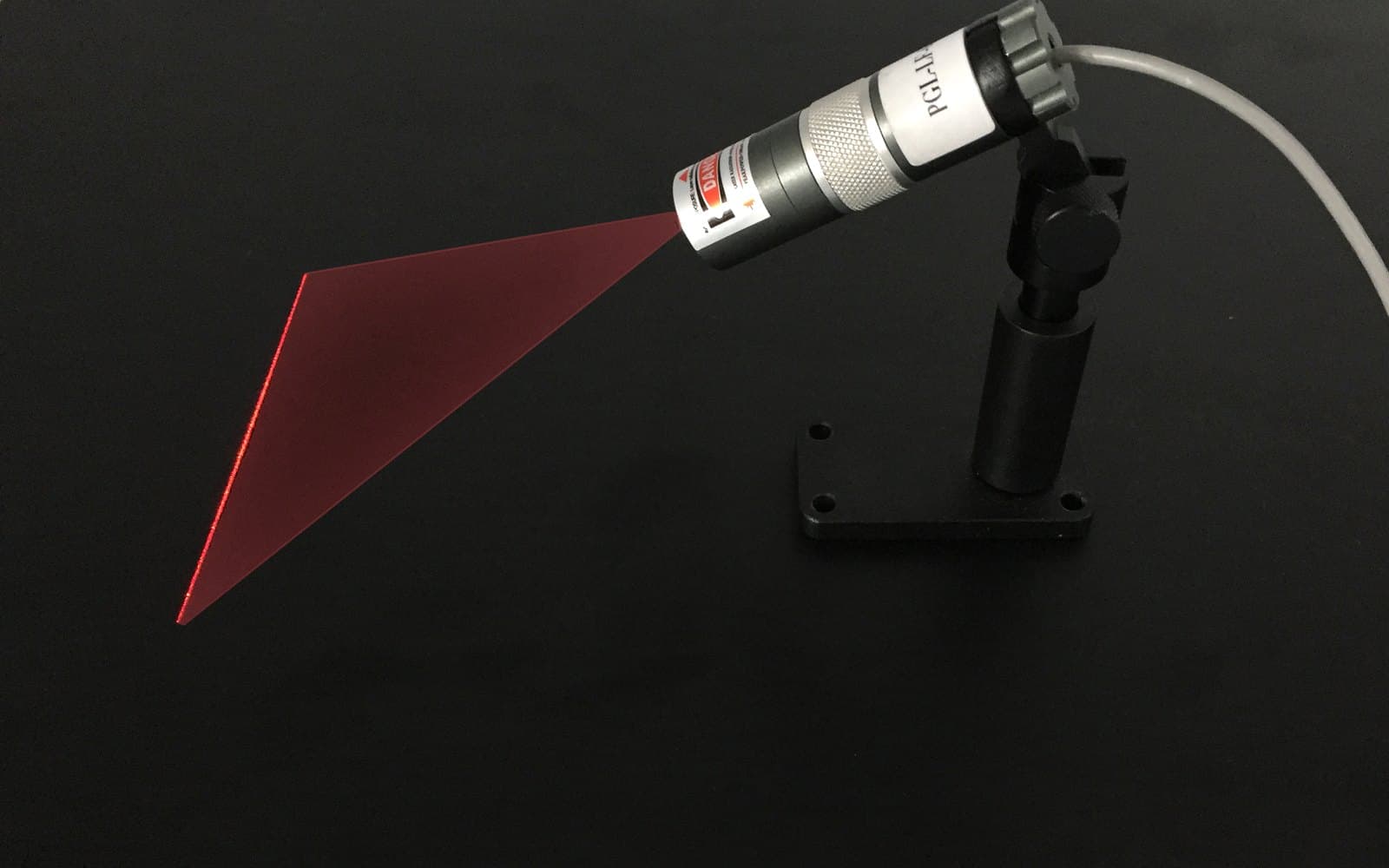
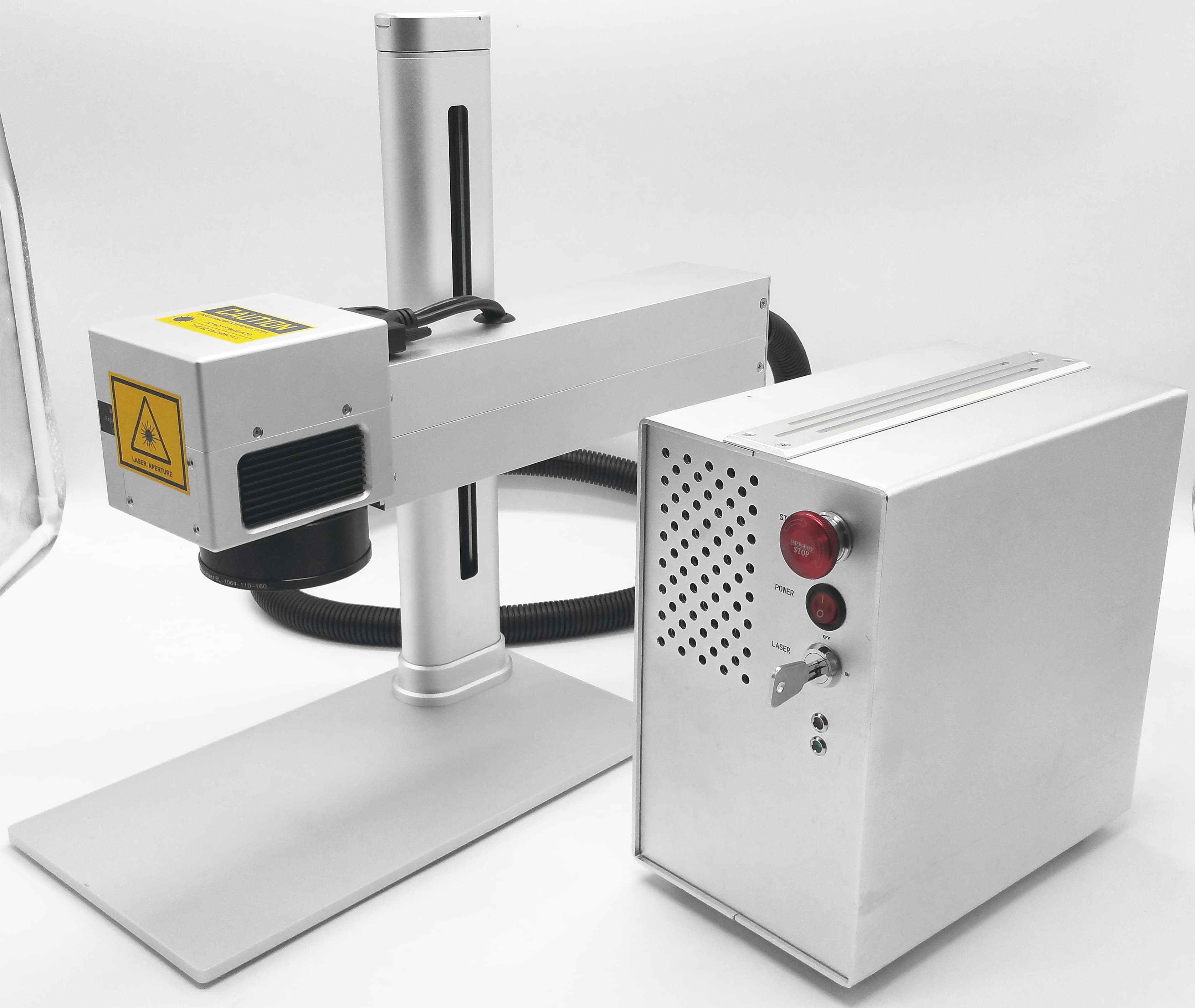
kHz-class linewidth
Keep the source narrow relative to the transition and lock scheme.
Control with precision · Quantum & coherent research
Address narrow transitions without letting the source become the experiment.
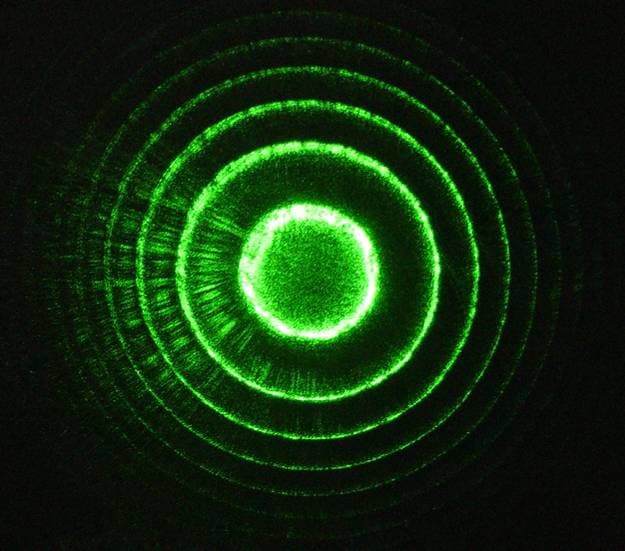
Keep the source narrow relative to the transition and lock scheme.
Define drift and tuning over the experiment timescale.
Intensity and polarization noise affect preparation and readout.
Why the source matters
The correct source is defined at the sample or process—not at the laser aperture. Wavelength and operating mode set the interaction; stability, delivery, timing, and control determine whether it stays useful in the complete system.
Application workflow
Three decisions turn the application into a practical source specification.
Start with exact wavelength, isotope or system, detuning range, and power at the atoms.
Allocate linewidth, short-term noise, drift, tuning, locking, and modulation requirements.
Plan polarization, splitting, amplification, fiber delivery, AOM or EOM interfaces, and monitoring.
Selection guide
These are starting architectures. Precisometer qualifies the final wavelength, output, delivery, control, and integration package against your setup.
Choose single-frequency DPSS or fiber when the native wavelength meets the transition.
Use a narrow seed with amplification when linewidth must be preserved at higher power.
Specify tuning actuators, modulation access, isolation, and monitor outputs with the lock strategy.
Source architecture
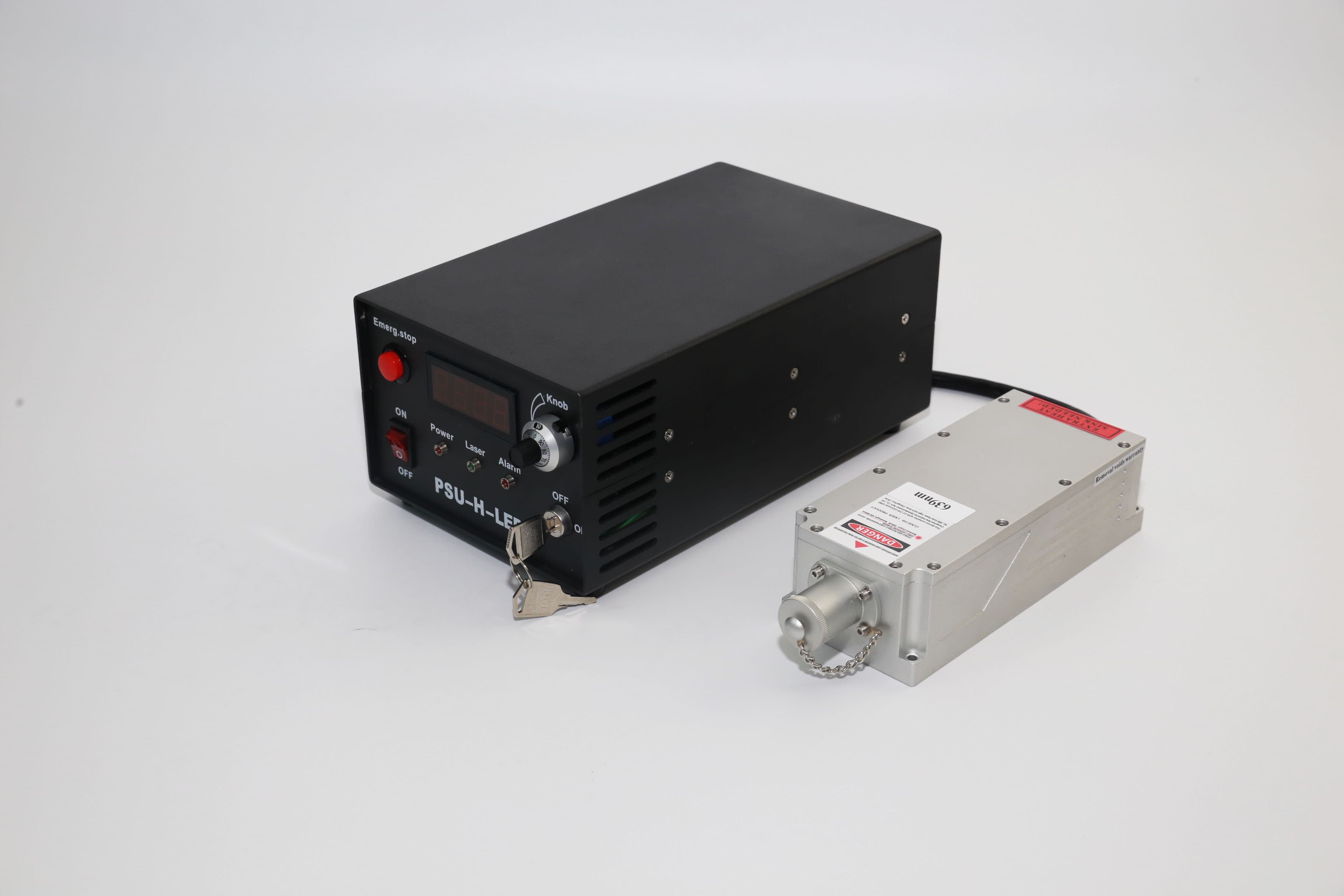
For coherent experiments where linewidth, coherence length, and frequency stability matter more than raw output power.
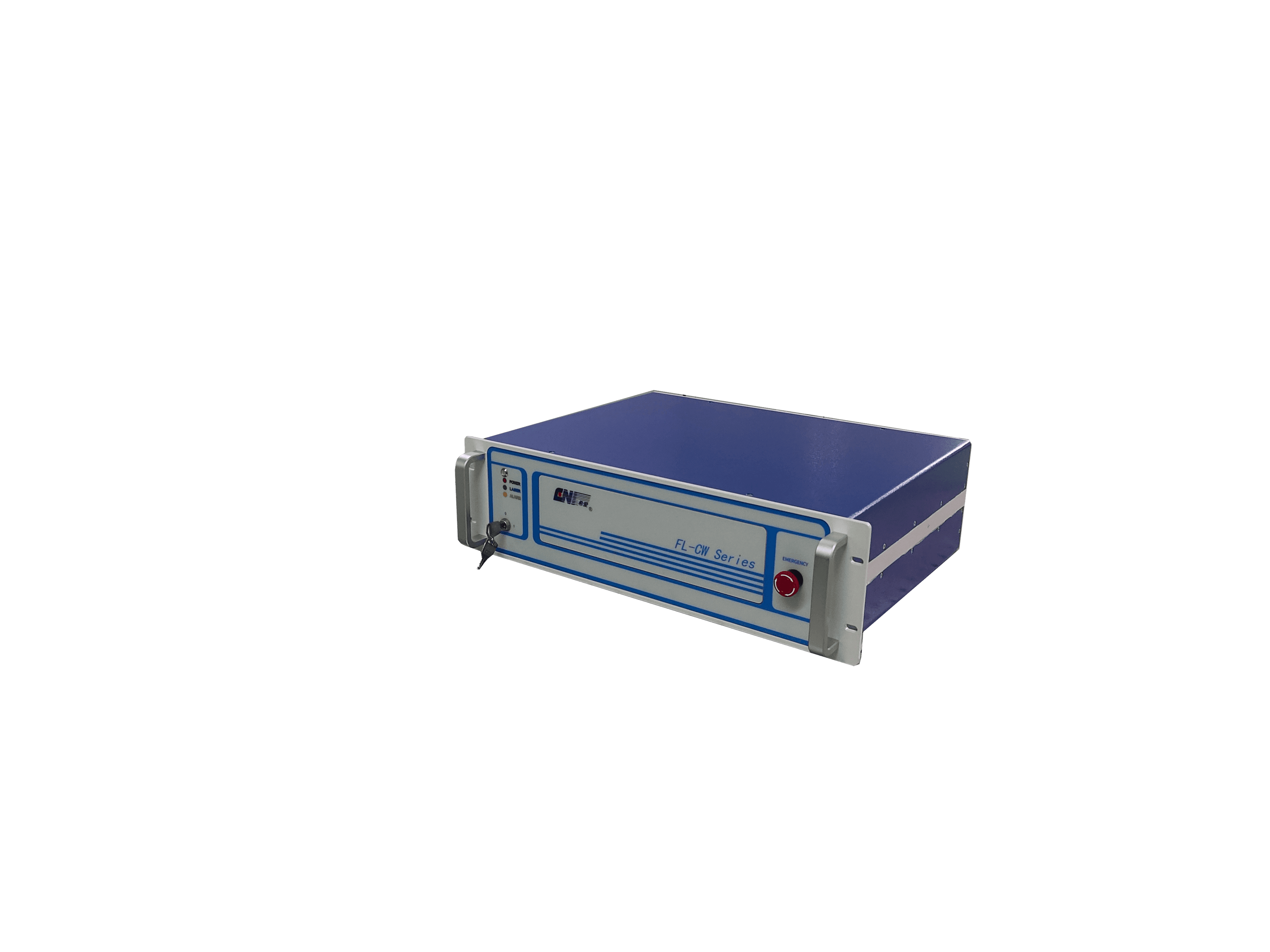
For setups that benefit from stable fiber delivery, compact beam routing, and defined polarization handling.
Ready to specify
Ask for transition wavelength, linewidth, drift over one hour, RIN target, polarization, and locking or modulation needs.