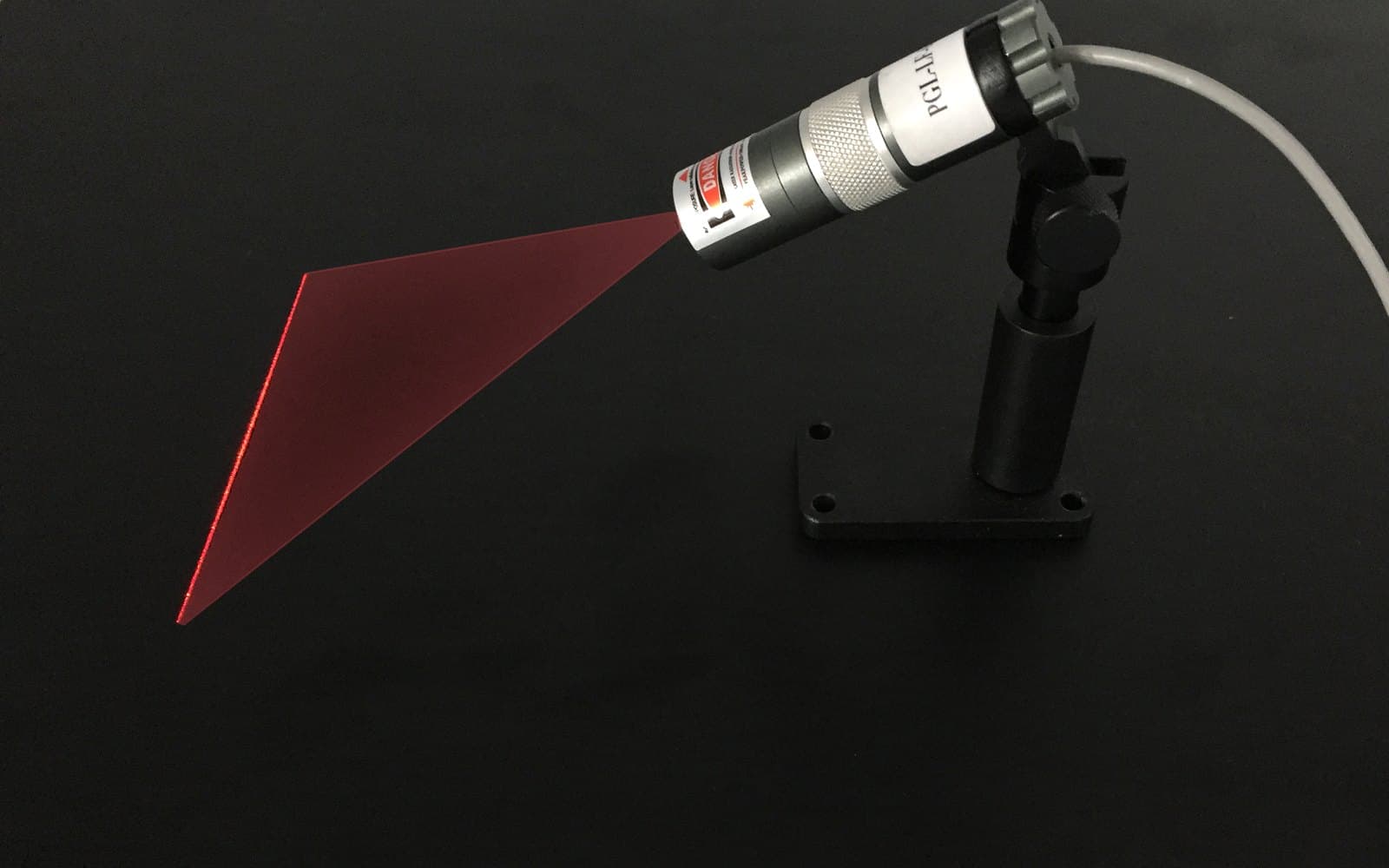
Uniform light sheet
Control thickness, height, divergence, and edge quality.
Inspect, measure and process · Industry, inspection & flow
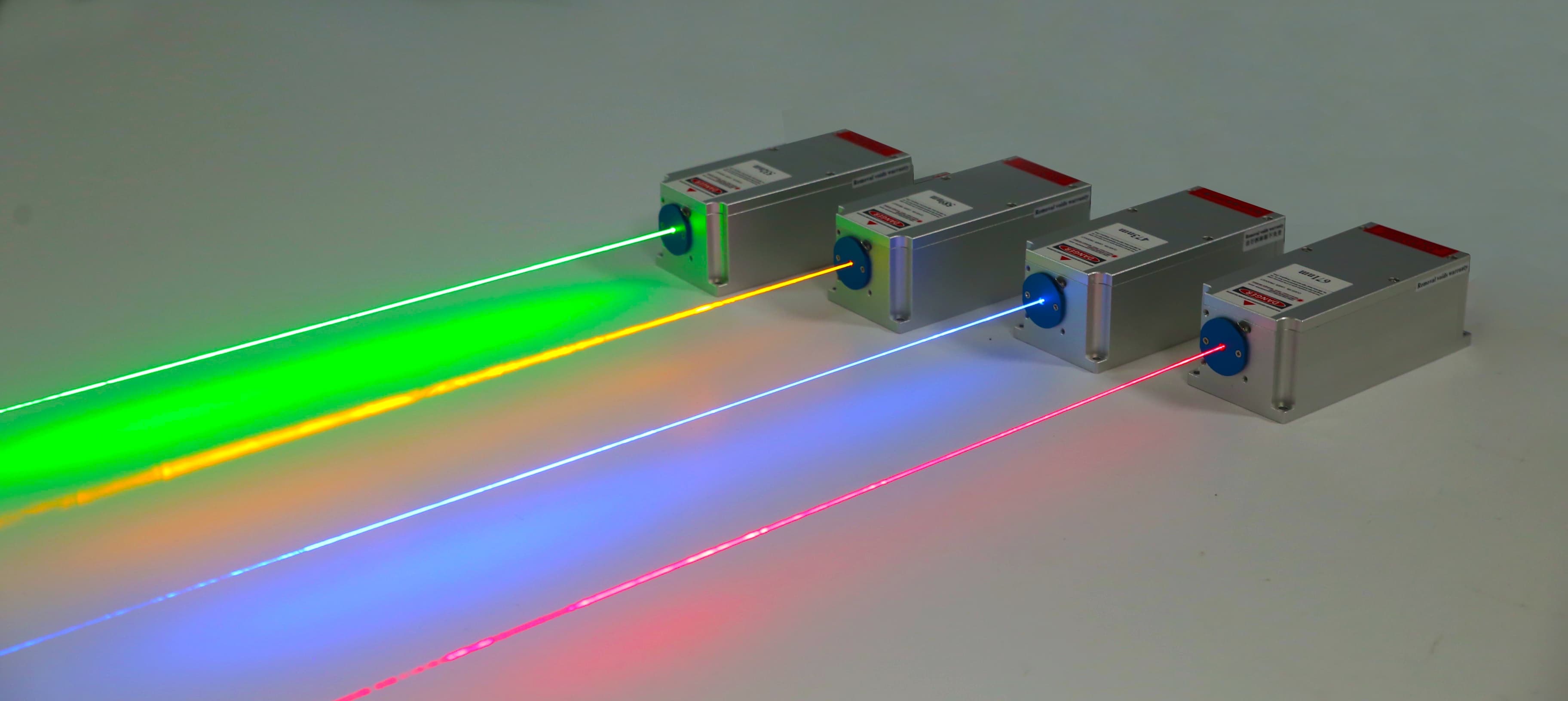
Turn a seeded flow field into a crisp, time-resolved velocity map.
Control thickness, height, divergence, and edge quality.
Choose pulse duration and separation around velocity and scale.
Make triggering and timing part of the source specification.
Why the source matters
The correct source is defined at the sample or process—not at the laser aperture. Wavelength and operating mode set the interaction; stability, delivery, timing, and control determine whether it stays useful in the complete system.
Application workflow
Three decisions turn the application into a practical source specification.
Define field of view, sheet thickness, working distance, seeding density, and camera sensitivity.
Use velocity, frame rate, exposure, and temporal resolution to set operating mode.
Specify pulse separation, trigger levels, jitter, camera synchronization, and interlocks.
Selection guide
These are starting architectures. Precisometer qualifies the final wavelength, output, delivery, control, and integration package against your setup.
A CW laser with light-sheet optics supports continuous visualization.
Select energy and pulse duration at the required repetition rate. For short image-pair separations, qualify a laser with the necessary pulse-pair capability and a compatible camera; the synchronizer alone cannot provide it.
Design beam steering, sheet optics, enclosure, and access around the test section.
Source architecture
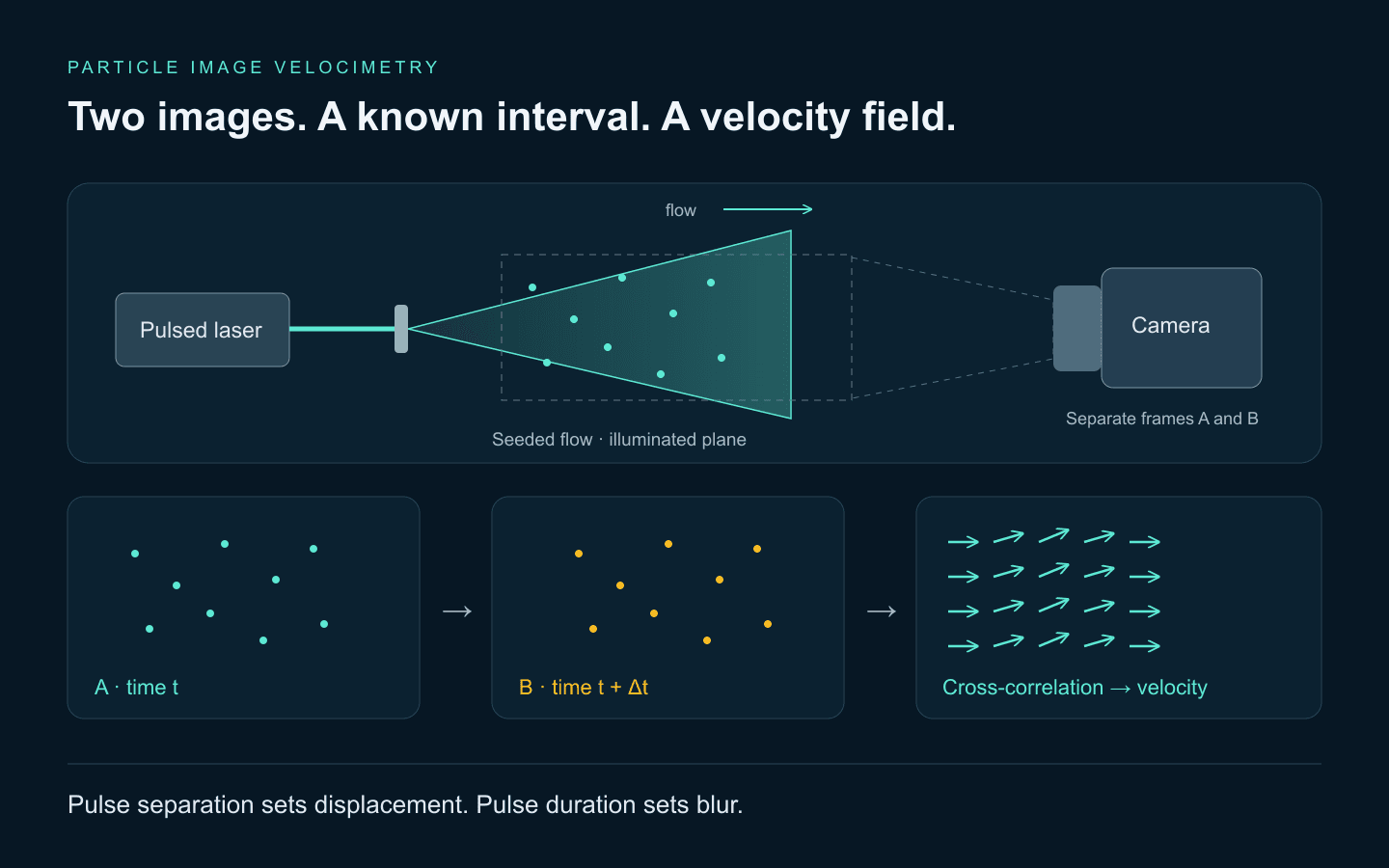
532 nm illumination
1.5–2.5 W CW
532 nm · select beam quality, stability and modulation.
Model details & datasheet →2.5–5 W CW
532 nm · select beam quality, stability and modulation.
Model details & datasheet →10–20 W CW
532 nm · select beam quality, stability and modulation.
Model details & datasheet →20–100 mJ per pulse
1–10 Hz; single shot optional · <12 ns / <10 ns, depending on energy
Model details & datasheet →30–150 mJ per pulse
1–10 Hz; ≤20 Hz optional · <10 ns / <8 ns, depending on energy
Model details & datasheet →150–450 mJ per pulse
1–10 Hz; ≤20 Hz optional · <10 ns / <8 ns, depending on energy
Model details & datasheet →1–5 mJ per pulse
1–10 Hz (adjustable) · <10 ns
Model details & datasheet →5–15 mJ per pulse
1–10 Hz (adjustable) · <10 ns
Model details & datasheet →1–20 mJ at 1–100 Hz; 1–5 mJ at 1–1000 Hz per pulse
1–100 Hz / 1–1000 Hz, depending on variant · <10–12 ns, depending on configuration
Model details & datasheet →Complete the optical path
Choose sheet-forming optics, timing, beam delivery, remote operation and wavelength-specific eyewear with the laser. Confirm arm coatings and pulse-energy handling for the selected wavelength; choose goggles by the required protection rating and operating mode.
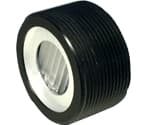
Form a light sheet for planar particle image velocimetry and flow visualization. Adjustable working distance and a choice of fan angles let the optics be configured around the test section, incident beam and required sheet thickness.
Specifications & selection →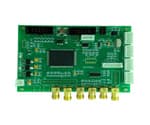
Coordinate laser output and camera acquisition with a PIV timing controller. Six pulse outputs share a frequency and pulse width, with independently adjustable delays. Qualify trigger levels, timing resolution and jitter against the laser and camera before specifying the controller.
Specifications & selection →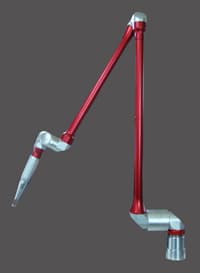
Deliver CO₂ or YAG laser energy from the source to a process head through a counterbalanced articulated arm. Choose spring or weight balancing, joint configuration and focusing optics for the working envelope.
Specifications & selection →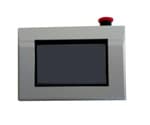
Operate a compatible PIV laser setup through a compact remote-control interface. Select the controller with the exact laser, power supply, required operating functions and interlock arrangement.
Specifications & selection →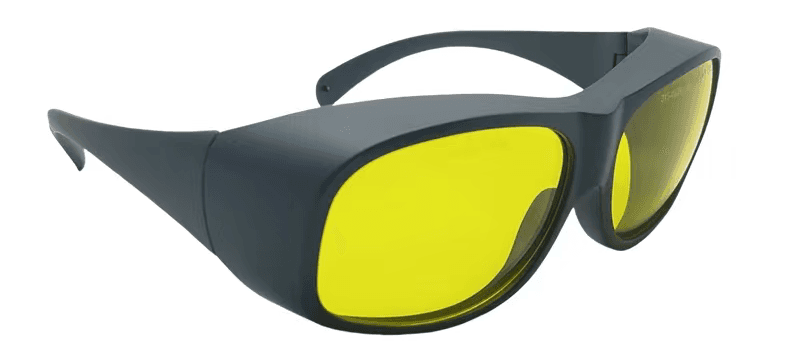
Compare laser eyewear by model, visible light transmission, optical density and the listed protection rating at each wavelength. Match the eyewear to the exact laser and operating mode before ordering.
Specifications & selection →Illuminate a seeded plane to study wakes, boundary layers and flow around models. Specify field of view and velocity before choosing exposure and pulse timing.
Map flow around submerged models, channels and propellers. Include window transmission, reflections and the sheet position in the optical layout.
Resolve particle displacement across a jet or mixing region. Match illumination energy, sheet thickness and image-pair separation to the measurement scale.
Qualify microscope illumination and detector sensitivity for small channels. Micro-PIV can use volume illumination rather than the sheet geometry used in larger test sections.
Ready to specify
Ask for field size, sheet thickness, pulse or CW mode, camera timing, wavelength, safety enclosure, and beam delivery constraints.
Before you specify
Connect flow speed and field of view to pulse timing, camera acquisition and a Precisometer product shortlist.