Contrast & permanence
Material response defines wavelength and fluence.
Inspect, measure and process · Industry, inspection & flow
Create high-contrast, small-feature marks with less heat in the part.
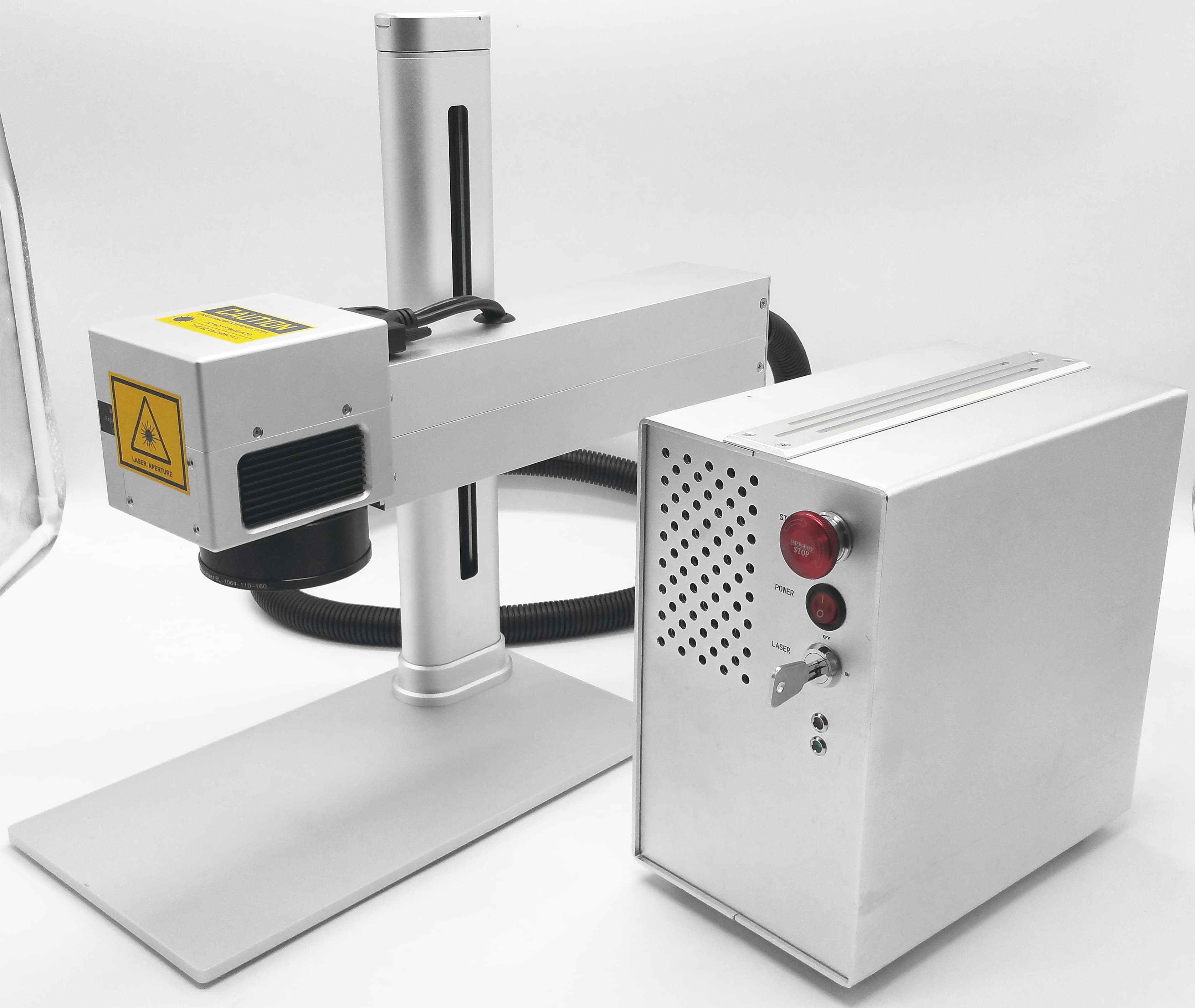
Material response defines wavelength and fluence.
UV absorption and short pulses limit collateral heating.
Balance scan speed, repetition rate, spot, and field size.
Why the source matters
The correct source is defined at the sample or process—not at the laser aperture. Wavelength and operating mode set the interaction; stability, delivery, timing, and control determine whether it stays useful in the complete system.
Application workflow
Three decisions turn the application into a practical source specification.
Test the actual polymer, glass, ceramic, coating, cassette, slide, or PCB.
Vary wavelength, pulse energy, repetition rate, spot, overlap, and scan speed.
Specify scanner, lens, field, focus, extraction, fixturing, vision, and enclosure.
Selection guide
These are starting architectures. Precisometer qualifies the final wavelength, output, delivery, control, and integration package against your setup.
355 nm nanosecond pulses are a strong start for high-contrast marking.
Evaluate deeper UV or shorter pulses against cost, throughput, and optics.
Use sample trials to lock the source and scan recipe before station design.
Source architecture
For UV absorption, polymer marking, inspection, and fine material processing.
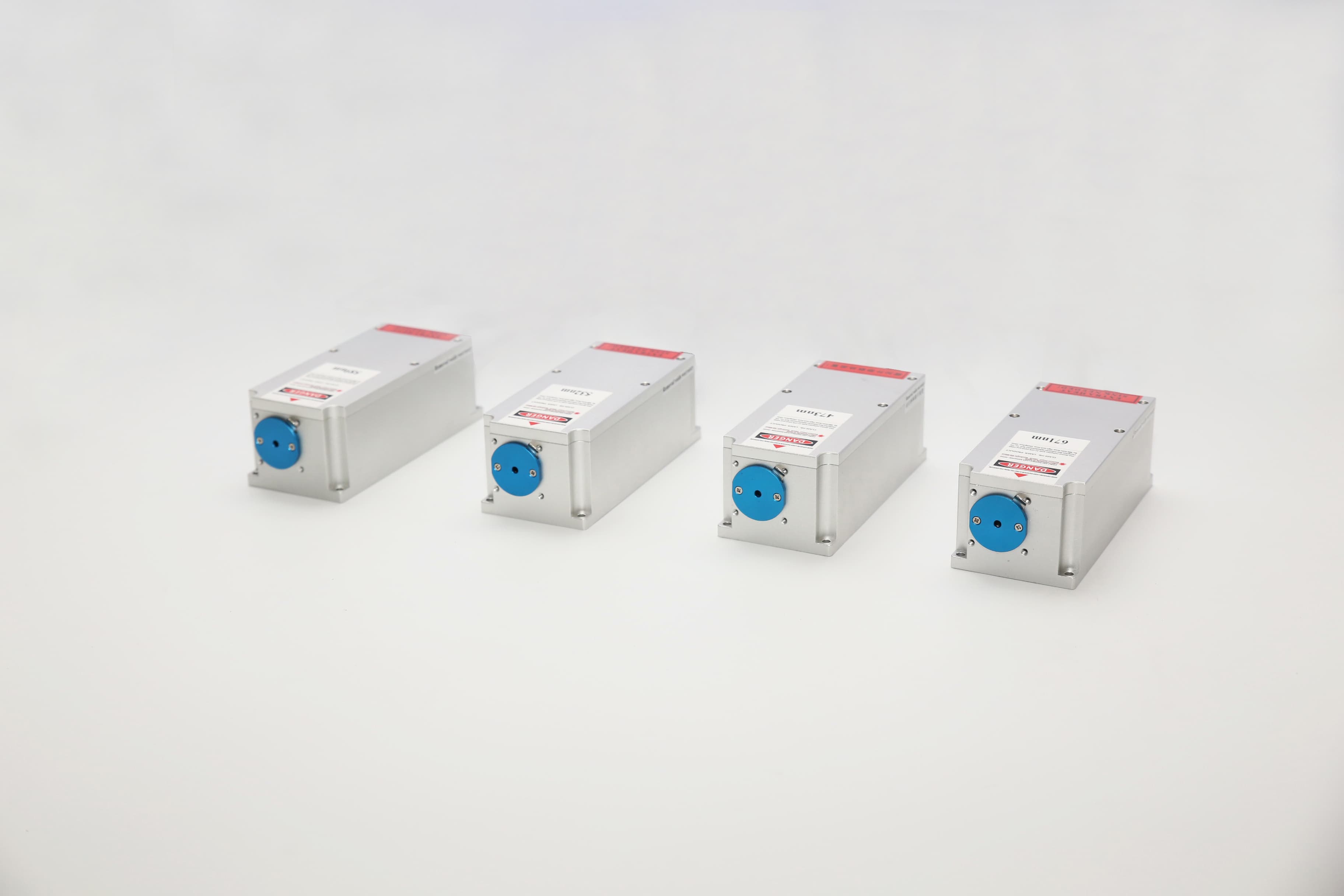
For applications controlled by pulse energy, timing, spot size, and peak power.
Ready to specify
Ask for material, mark size, contrast target, throughput, scan field, enclosure, and required validation samples.
Before you specify