Material absorption
Wavelength and pulse width change the interaction regime.
Reveal composition · Spectroscopy & analysis
Set the pulse–material interaction to remove, sample, or identify matter.
Wavelength and pulse width change the interaction regime.
Energy and spot size must cross the process threshold.
Shorter pulses can reduce heat and collateral damage.
Why the source matters
The correct source is defined at the sample or process—not at the laser aperture. Wavelength and operating mode set the interaction; stability, delivery, timing, and control determine whether it stays useful in the complete system.
Application workflow
Three decisions turn the application into a practical source specification.
Identify composition, coating, thickness, absorption, surface condition, and acceptable damage.
Set fluence, spot size, pulse width, energy, repetition rate, and desired plasma behavior.
Add focusing, scanning, collection timing, debris handling, enclosure, and fixturing.
Selection guide
These are starting architectures. Precisometer qualifies the final wavelength, output, delivery, control, and integration package against your setup.
A nanosecond Q-switched source offers strong plasma generation and timing control.
Sub-ns, ps, or fs pulses reduce thermal interaction when edge quality matters.
Use 355 or 266 nm to increase absorption and reduce the interaction volume.
Source architecture
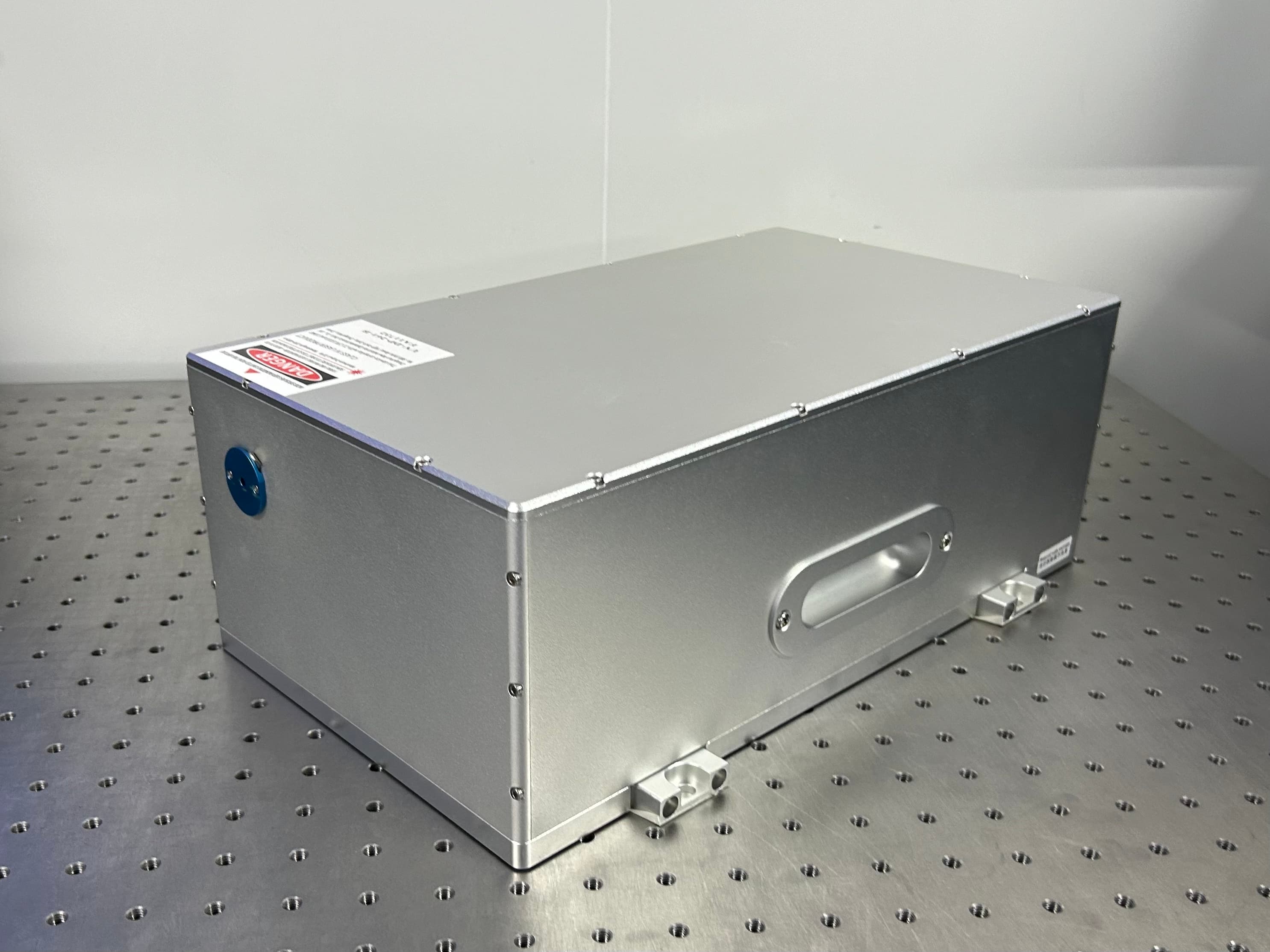
For applications controlled by pulse energy, timing, spot size, and peak power.
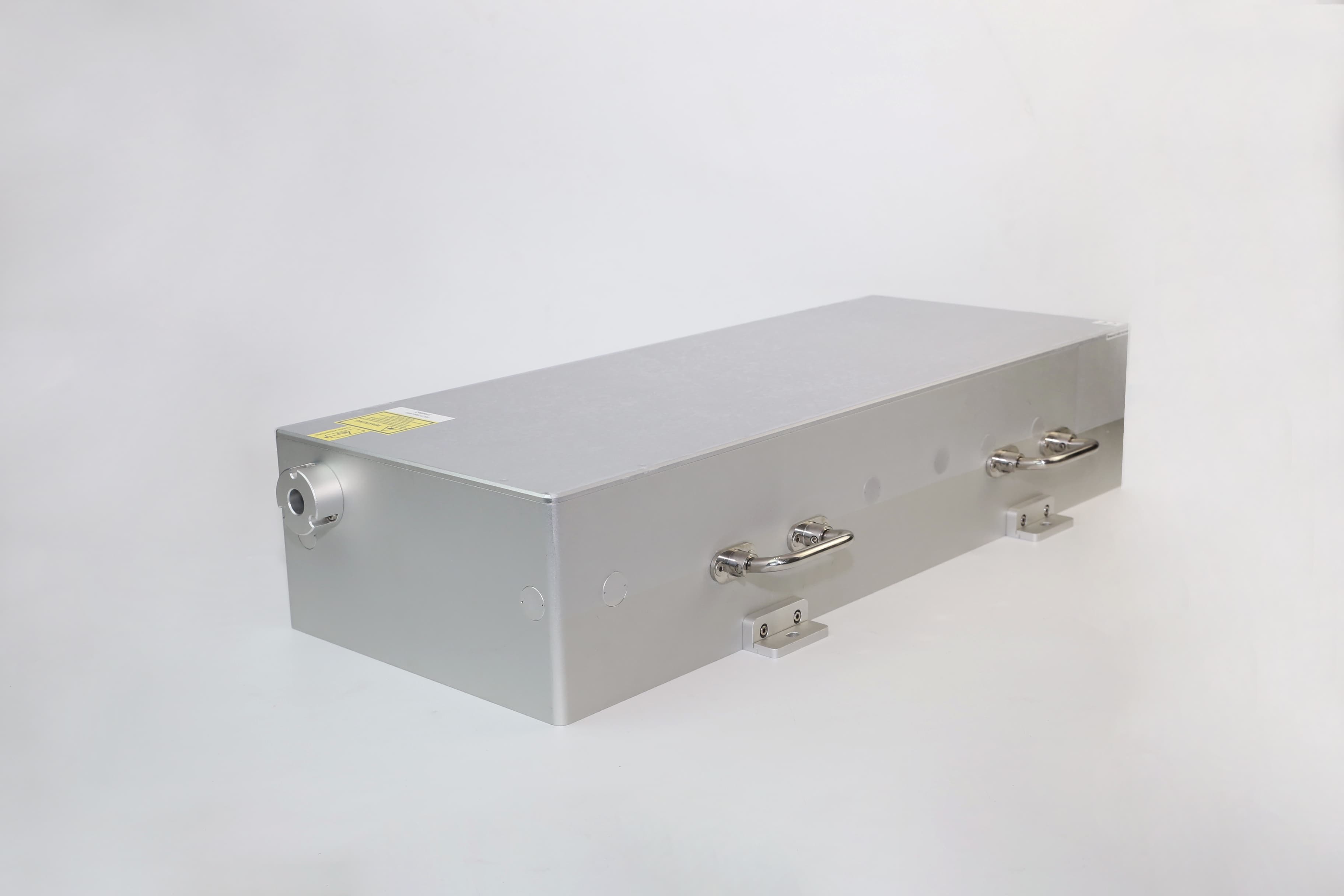
For precision material processing and experiments that need reduced thermal load.
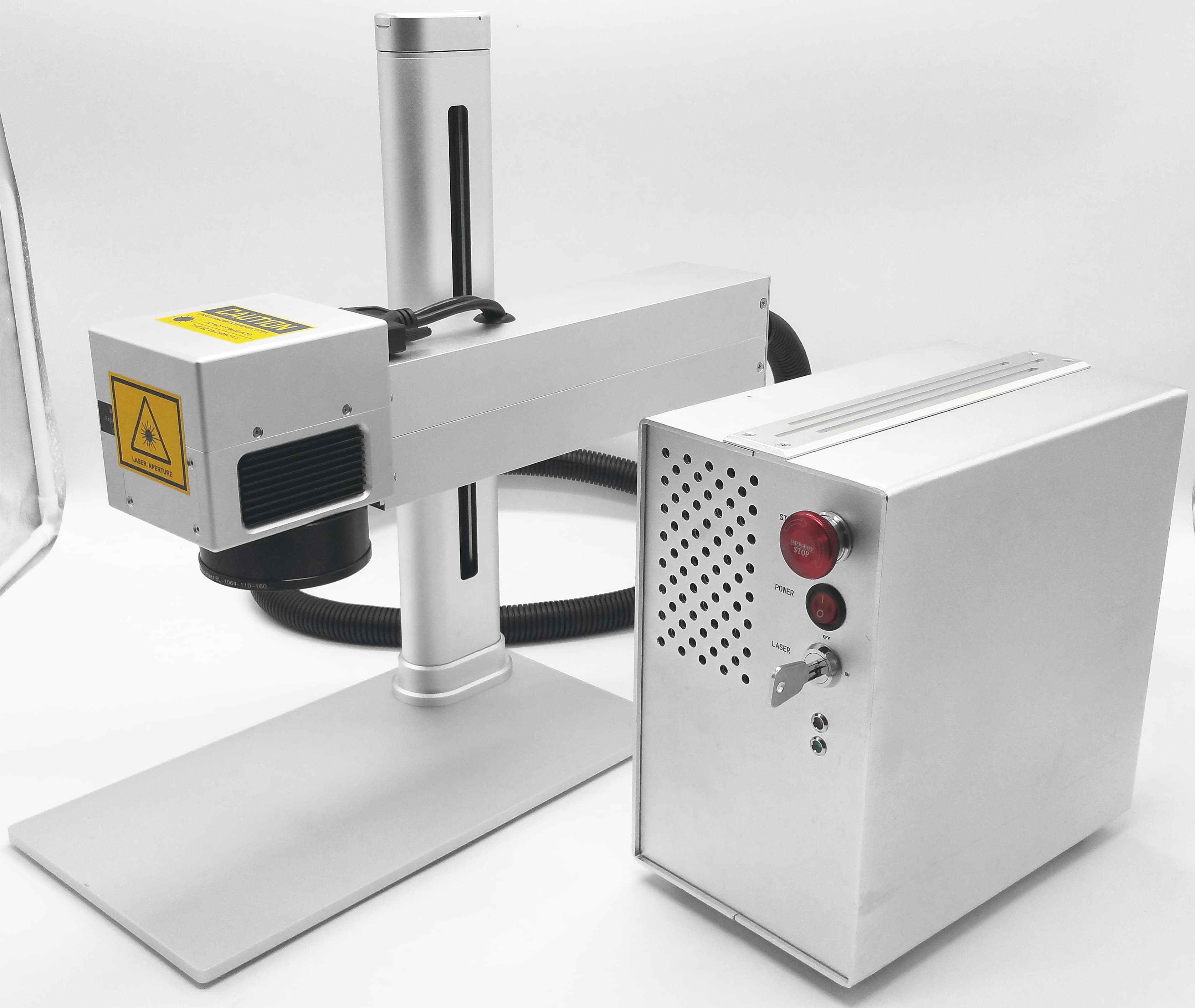
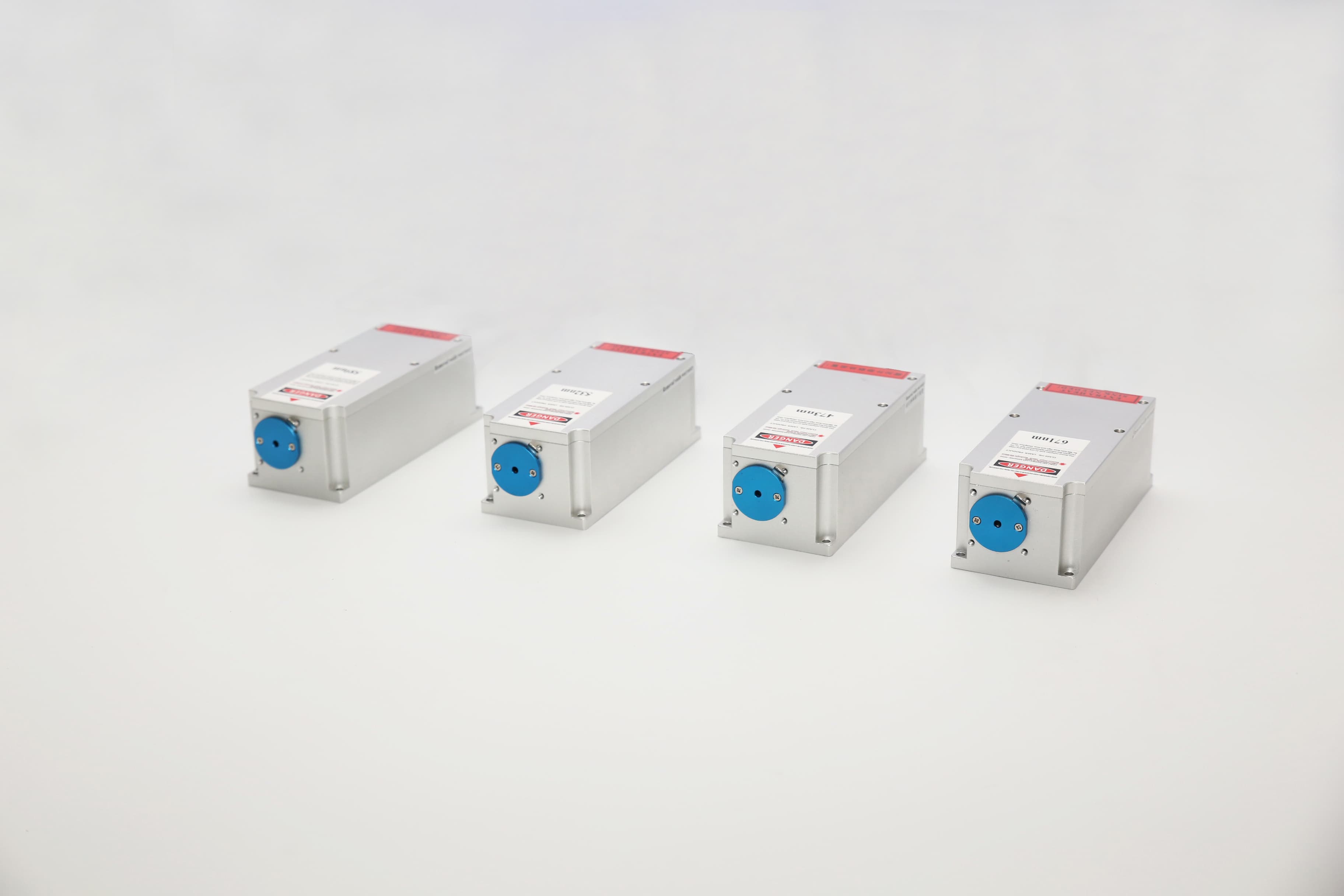
For UV absorption, polymer marking, inspection, and fine material processing.
Ready to specify
Ask for material, target spot size, fluence, pulse width, energy per pulse, repetition rate, and debris or thermal limits.
Continue exploring