646+ camera models · datasheets included
Cameras &Optical Detection
Source advanced sCMOS scientific sensors, shortwave infrared (SWIR) cameras, smart autofocus imaging systems, and cooled CMOS camera solutions for precision microscopy.
646+
Camera Models
Each with its own spec page
400–1700 nm
Spectral Response
UV, Visible & Shortwave IR
Up to 90%
Peak QE
High sensitivity sCMOS
HDMI / USB3
Interface Formats
GigE & Camera Link options
Compare cameras using the same sensor
Already have a sensor in mind? Compare the camera implementations by interface, cooling and recording speed before selecting a model.
Sony IMX571 cameras
Deep-sky astronomy, 10GigE & analytical imaging
Sony IMX678 cameras
Microscopy, inspection and astronomy
Sony IMX676 cameras
Square-format imaging
Sony IMX421 cameras
USB3 and GigE camera configurations
Sony IMX425 cameras
Compare cameras with 9 µm pixels
Sony IMX461 cameras
Large-format scientific imaging
Gpixel GSENSE2020BSI cameras
Low-light scientific imaging
Product Catalog Directory
Detection Categories
Browse cooled scientific detectors, thermal infrared area arrays, and standalone imaging solutions.
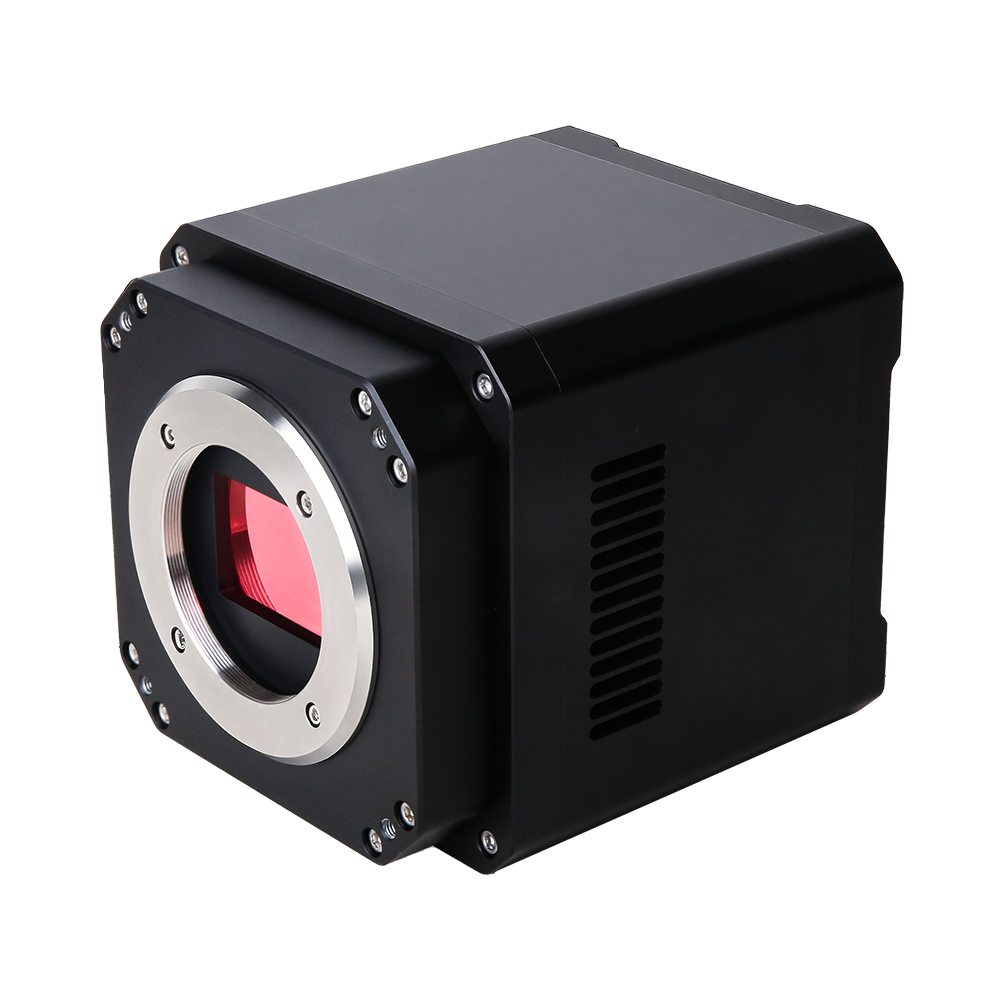
Scientific sCMOS Cameras
39 modelsBack-Illuminated & Cooled sCMOS
High-performance sCMOS cameras for astronomy, fluorescence imaging, spectroscopy, and low-light scientific research.
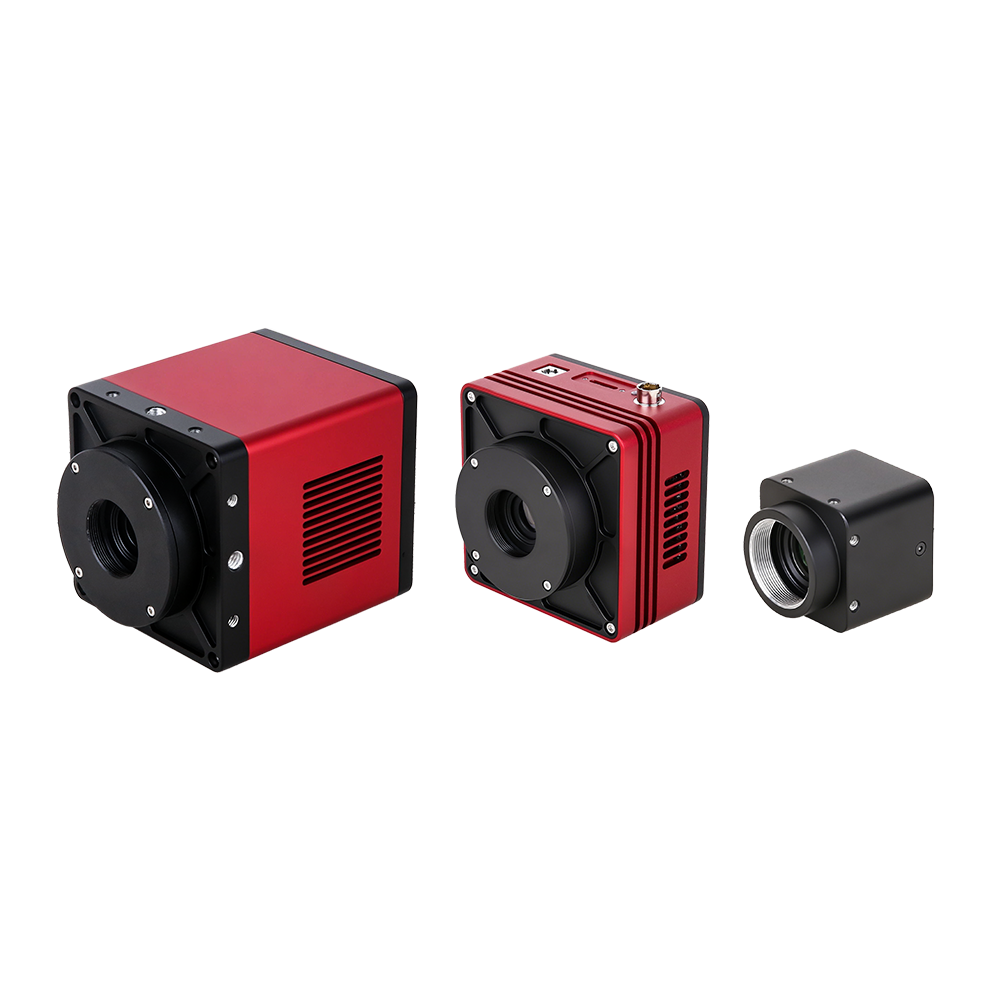
SWIR Infrared Cameras
66 modelsShortwave Infrared (400–1700 nm)
InGaAs area array cameras for shortwave infrared imaging, semiconductor inspection, sorting, and hyperspectral setups.
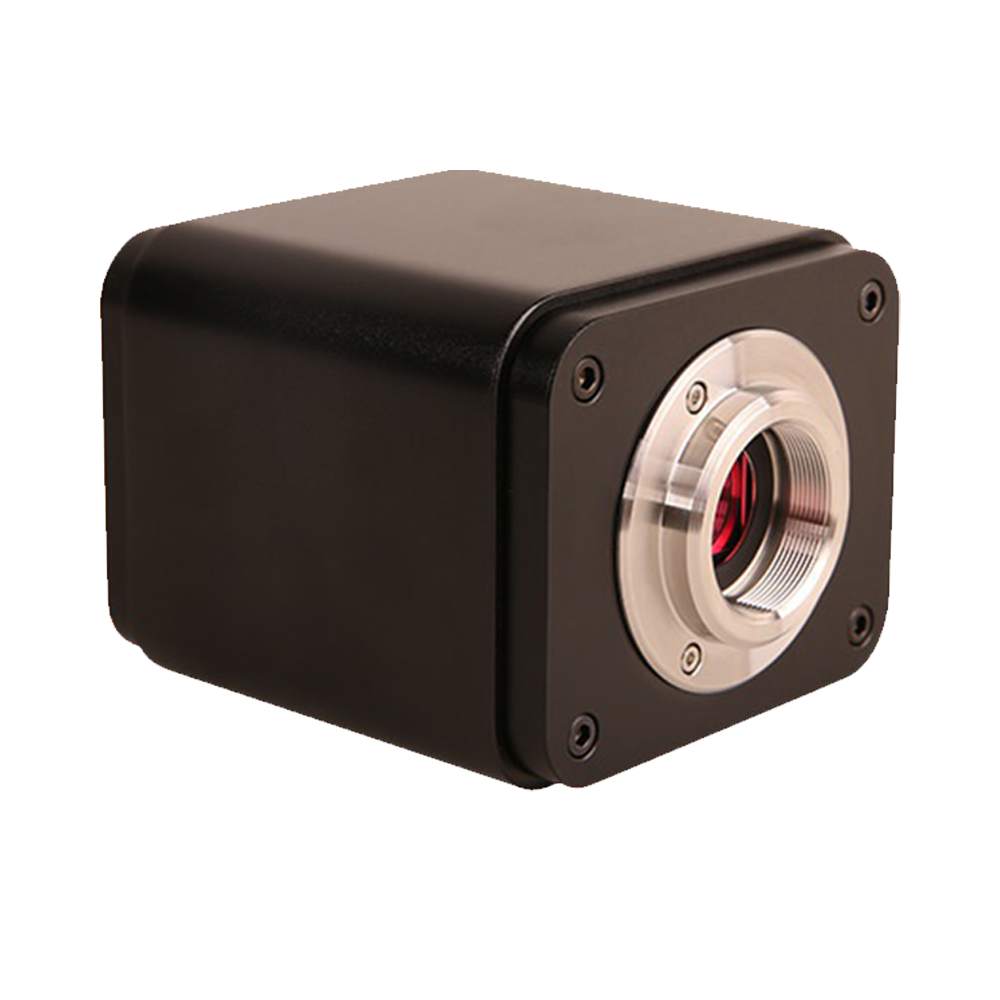
Intelligent Imaging Systems
70 models4K Standalone & Autofocus CMOS
HDMI smart cameras with built-in measurement software, autofocus capability, and on-board image processing.
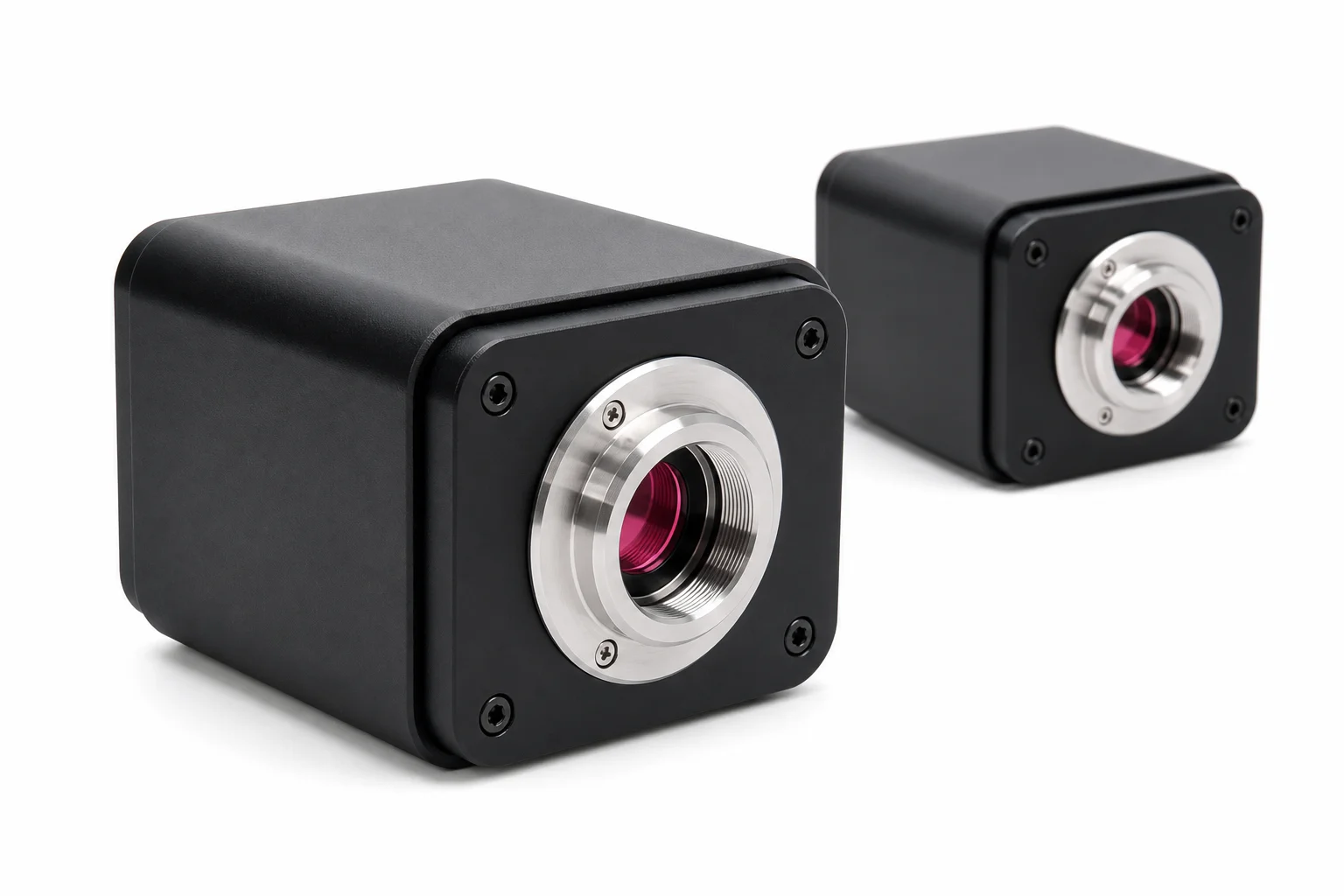
Enhanced Microscopy CMOS
424 modelsUSB3 Microscopy Starvis CMOS
High sensitivity CMOS cameras featuring Sony Starvis back-illuminated sensors optimized for optical microscopy.
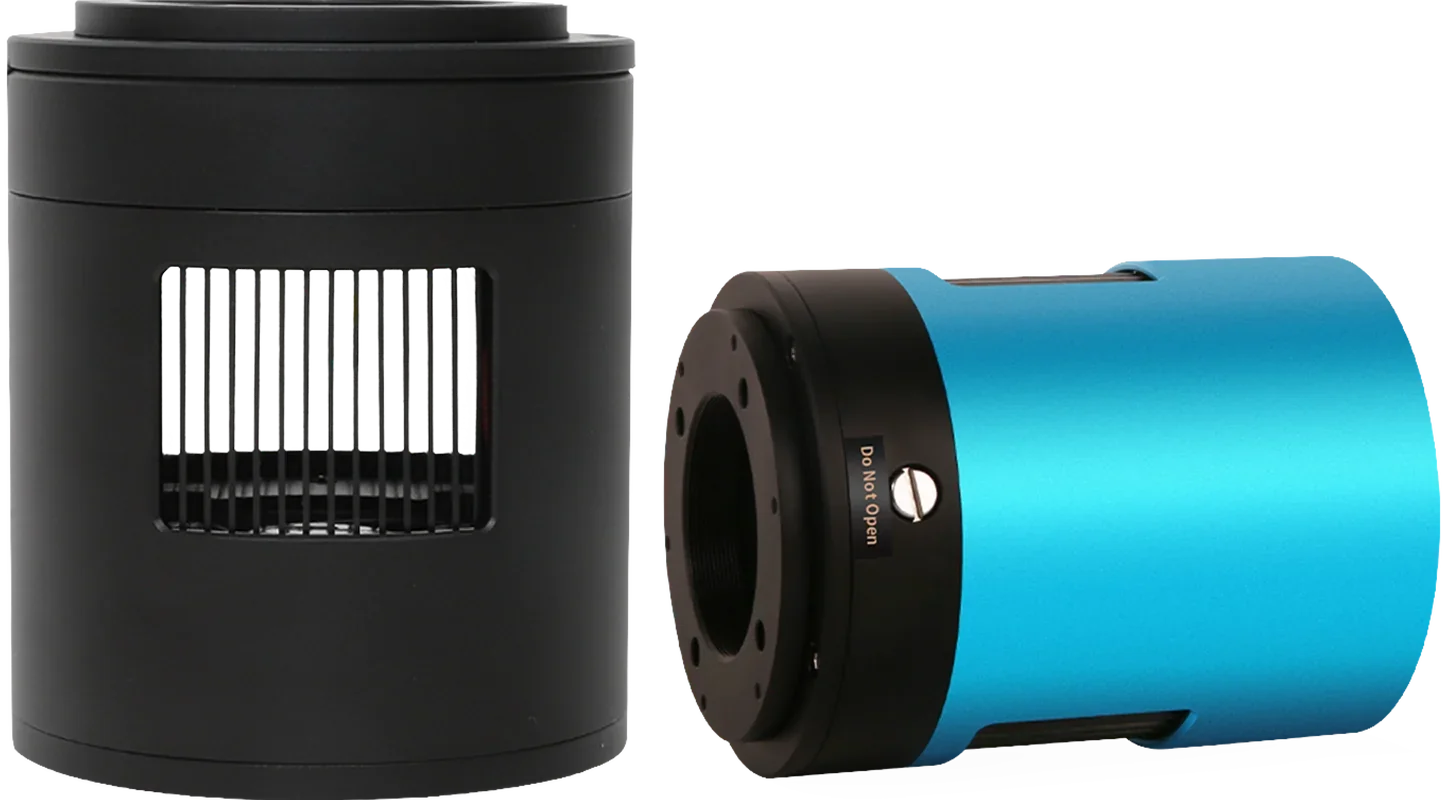
Astronomy Cooled Cameras
47 modelsDeep-Sky Cooled & Planetary CMOS
Cooled DSO CMOS cameras and high-frame-rate planetary/guider cameras for amateur and professional astrophotography.
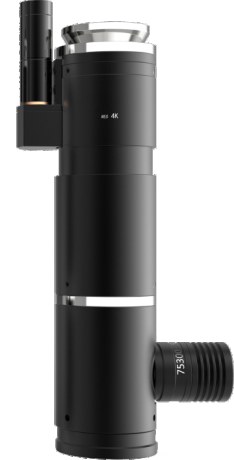
Zoom Lenses
44 modelsMachine-Vision Zoom Lenses
12.5X, 14X, 6.5X and 4K C-mount zoom lenses with detented or motorized zoom, coaxial illumination and fine focus, plus linear and telecentric zoom lenses.
Camera Finder Tool
Interactive Spec Wizard
Compare resolutions, frame rates, pixel sizes, and QE curves to select the perfect scientific camera.
Before you specify
Guides that narrow this catalog down
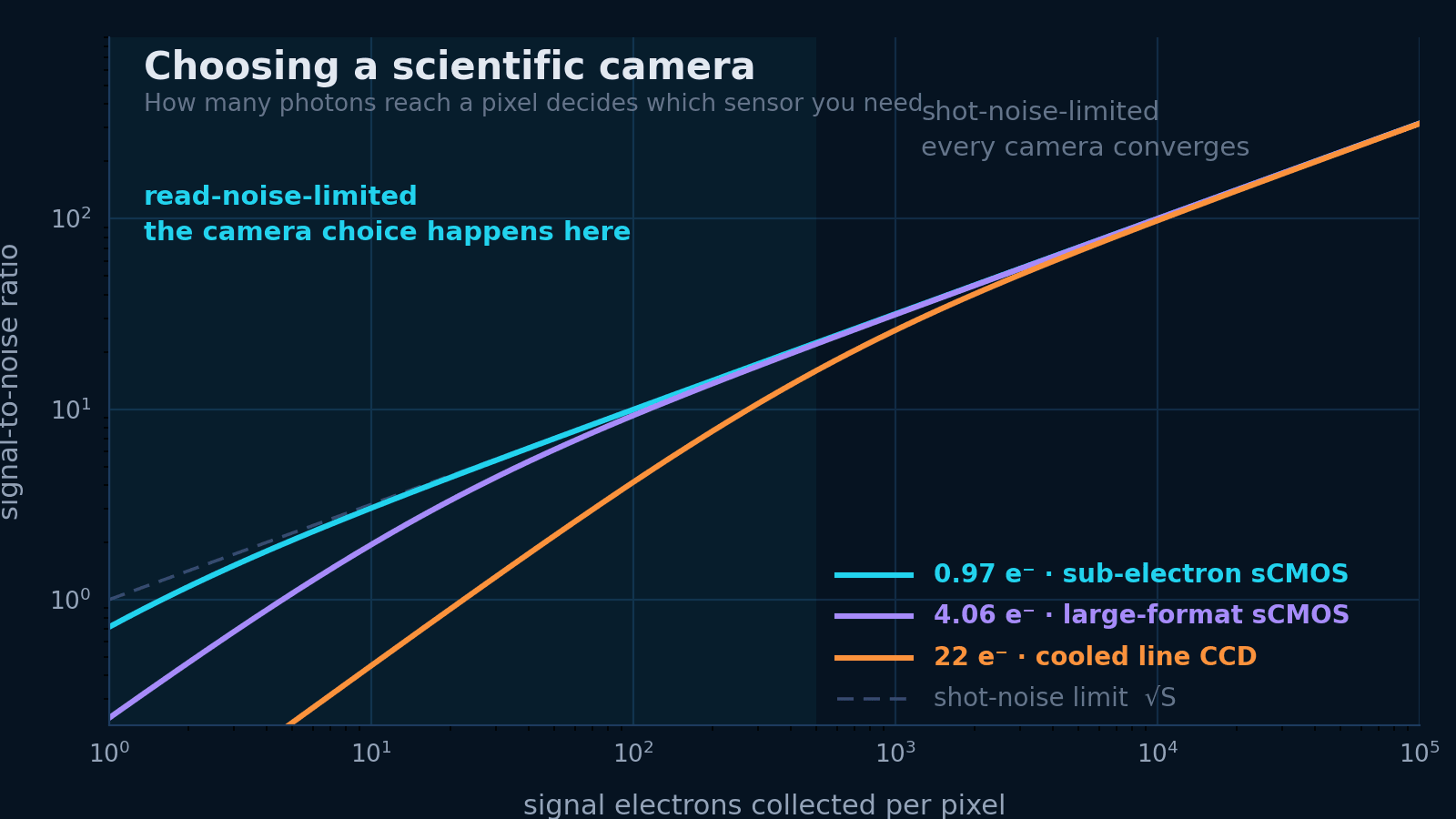
Start from photons per pixel and the catalog gets much shorter very quickly.
 Scientific cameras
Choosing a scientific camera
Which sensor technology your photon budget actually needs, why rolling and global shutter answer different questions, and how to check the data can leave the camera at all.
Open guide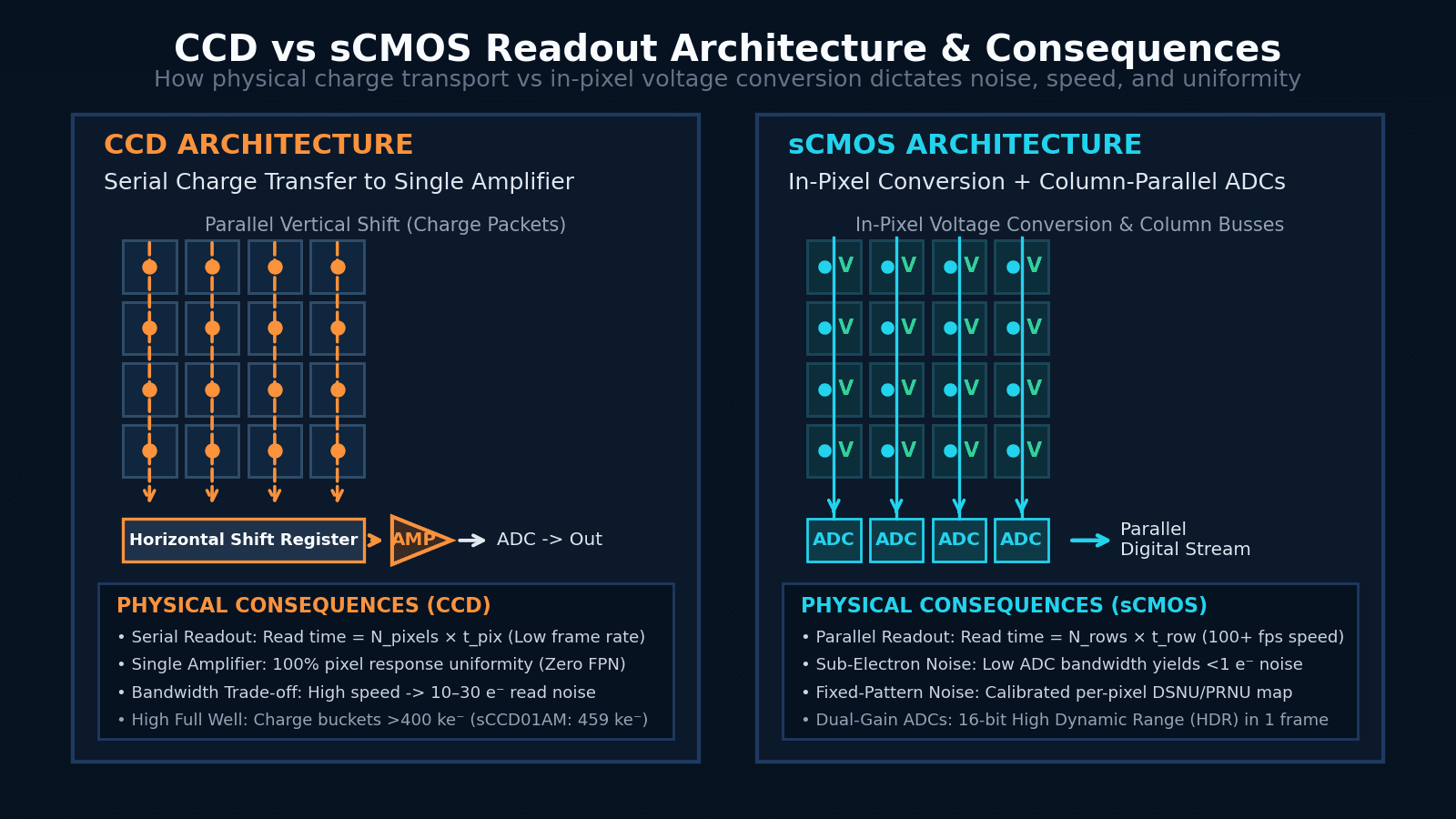 Scientific cameras
CCD vs CMOS: Readout Architectures & Physics
How physical charge transport versus in-pixel voltage conversion dictates readout speed, read noise, blooming, fill factor, and fixed-pattern noise in scientific detectors.
Open guide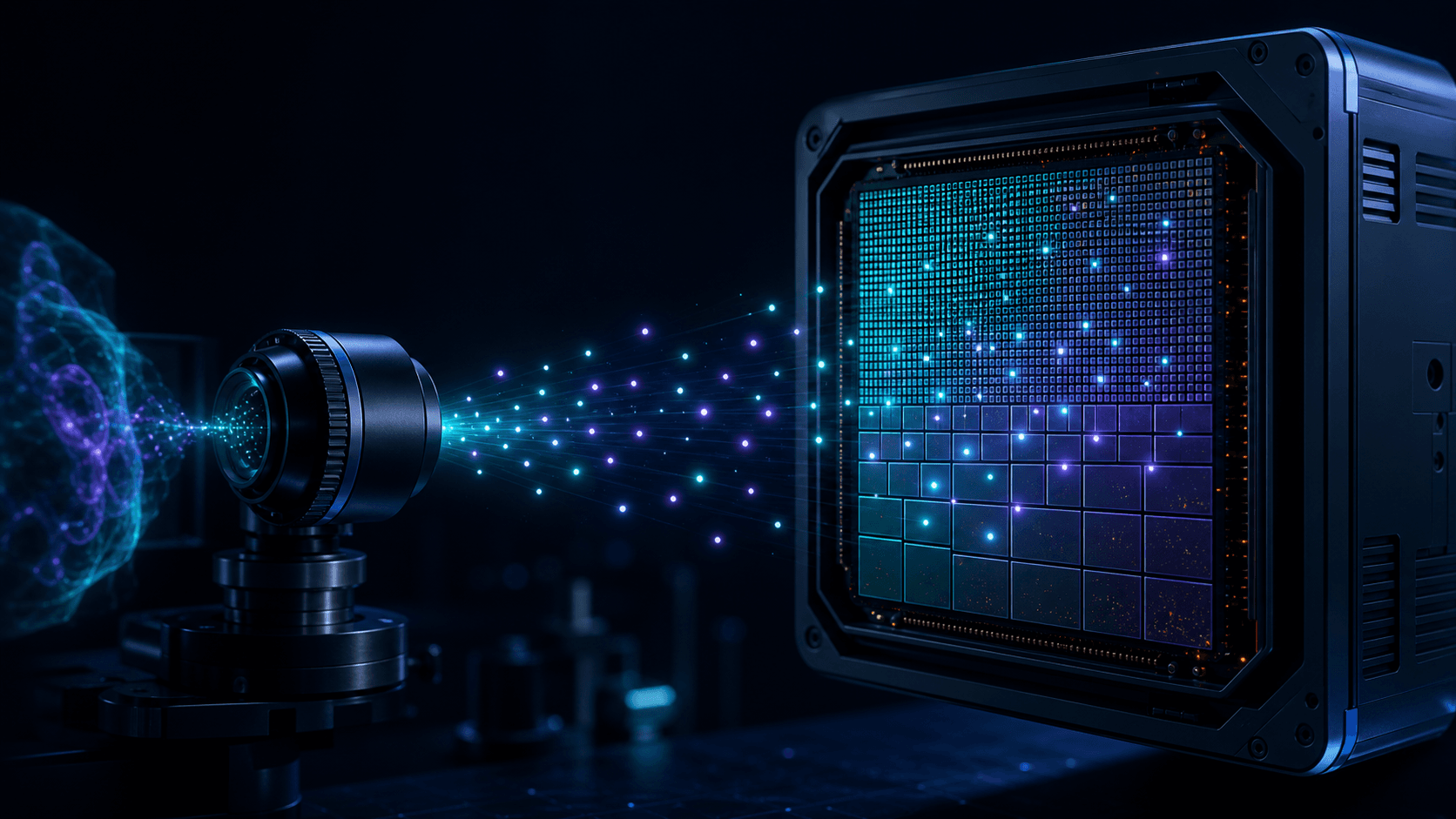 Scientific cameras
How to select an sCMOS camera
Understand quantum efficiency, read noise, pixel size, SNR, and optical sampling using real MAX and sMAX specifications.
Open guide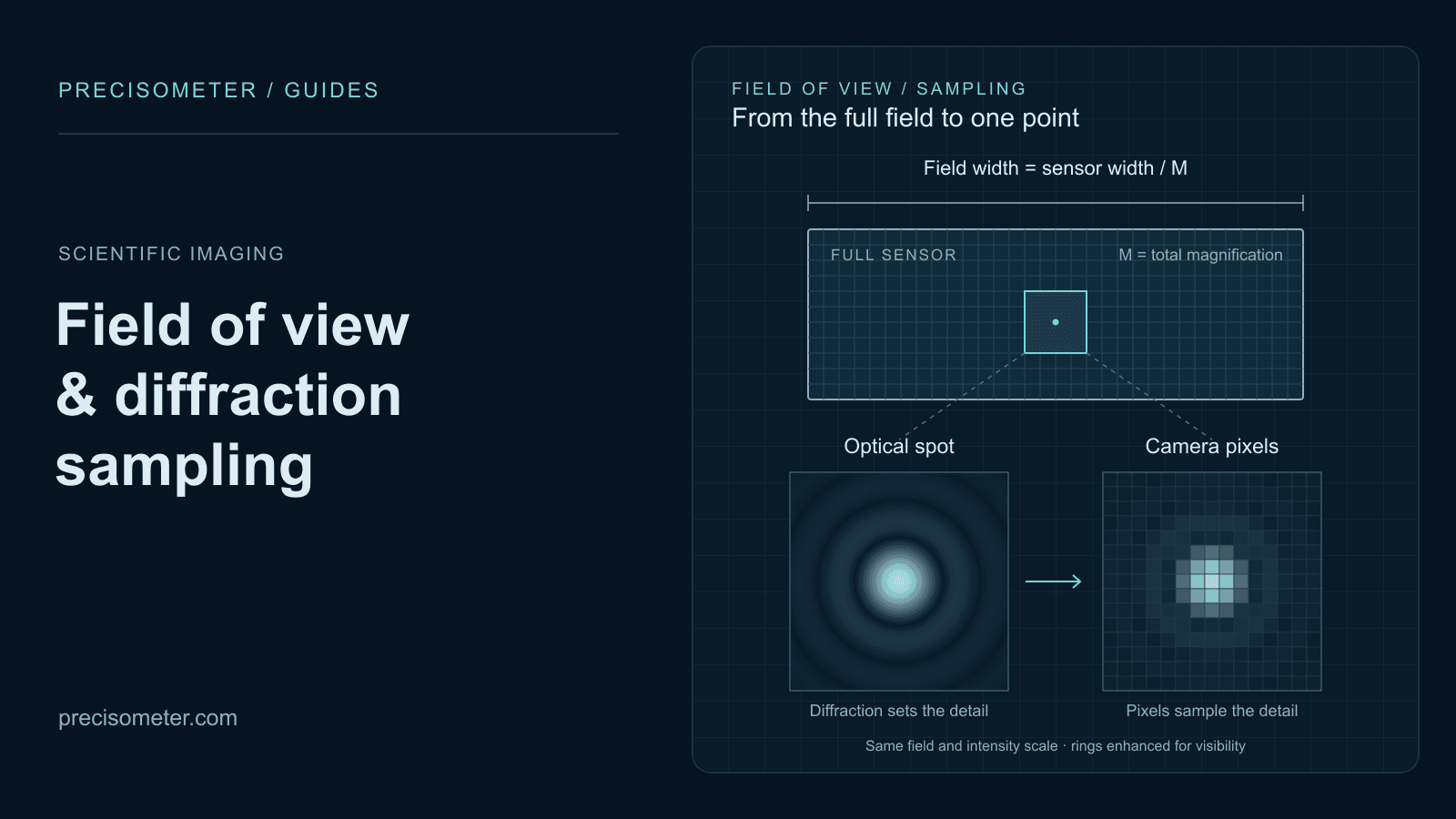 Scientific imaging
Calculating camera field of view and diffraction sampling
Calculate object-space pixel size, field of view, Rayleigh resolution, and sampling using real MAX and sMAX sensor formats.
Open guide Digital pathology
How to specify a whole-slide scanner
Sampling sets the pixel, the pixel sets the tile count, and the tile count multiplies everything downstream. Why brightfield scanning is limited by the stage, fluorescence by the light, and focus by a slide that was never flat.
Open guide