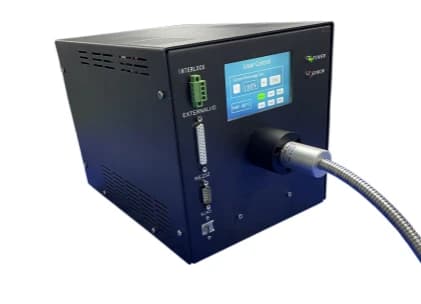
A clear route from wavelength to sample
- 01Select the spectrum
- 02Choose the delivery format
- 03Match power and control
- 04Integrate at the sample
Discrete wavelengths, broadband white light and multi-channel combinations. Exact output belongs to the selected configuration.
02 / Specify it step by step
Four decisions that belong together.
- 01
Define the spectrum
Start with the absorption, excitation or inspection band. Use the model’s wavelength bin or LED peaks and its FWHM; a family range describes separate configurations.
- 02
Choose the optical path
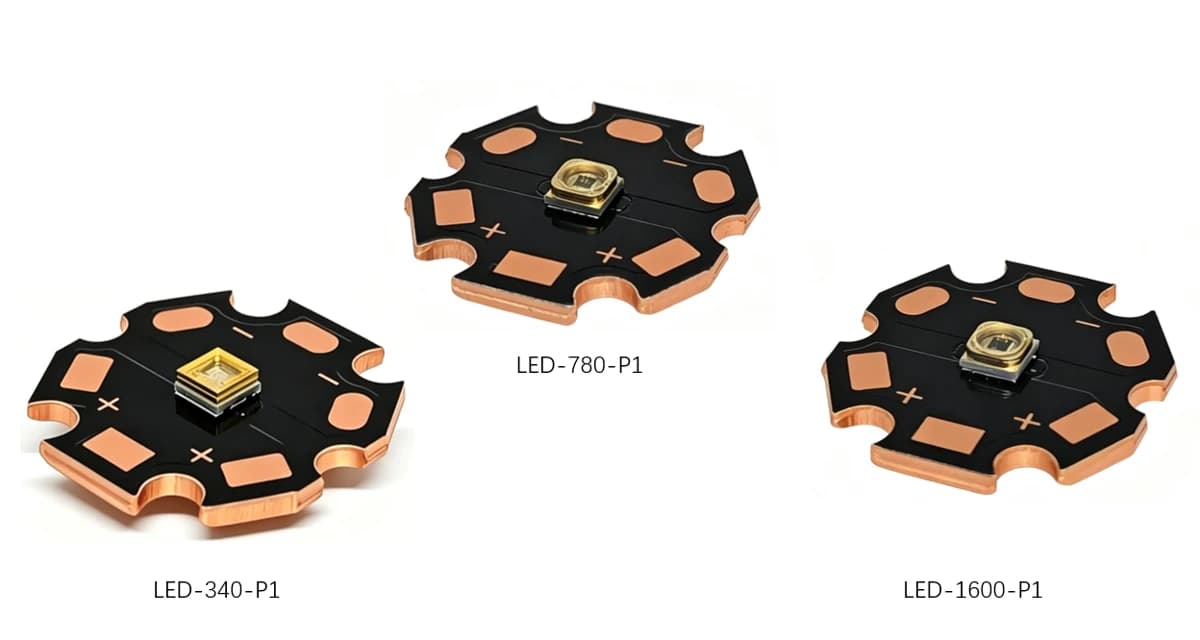
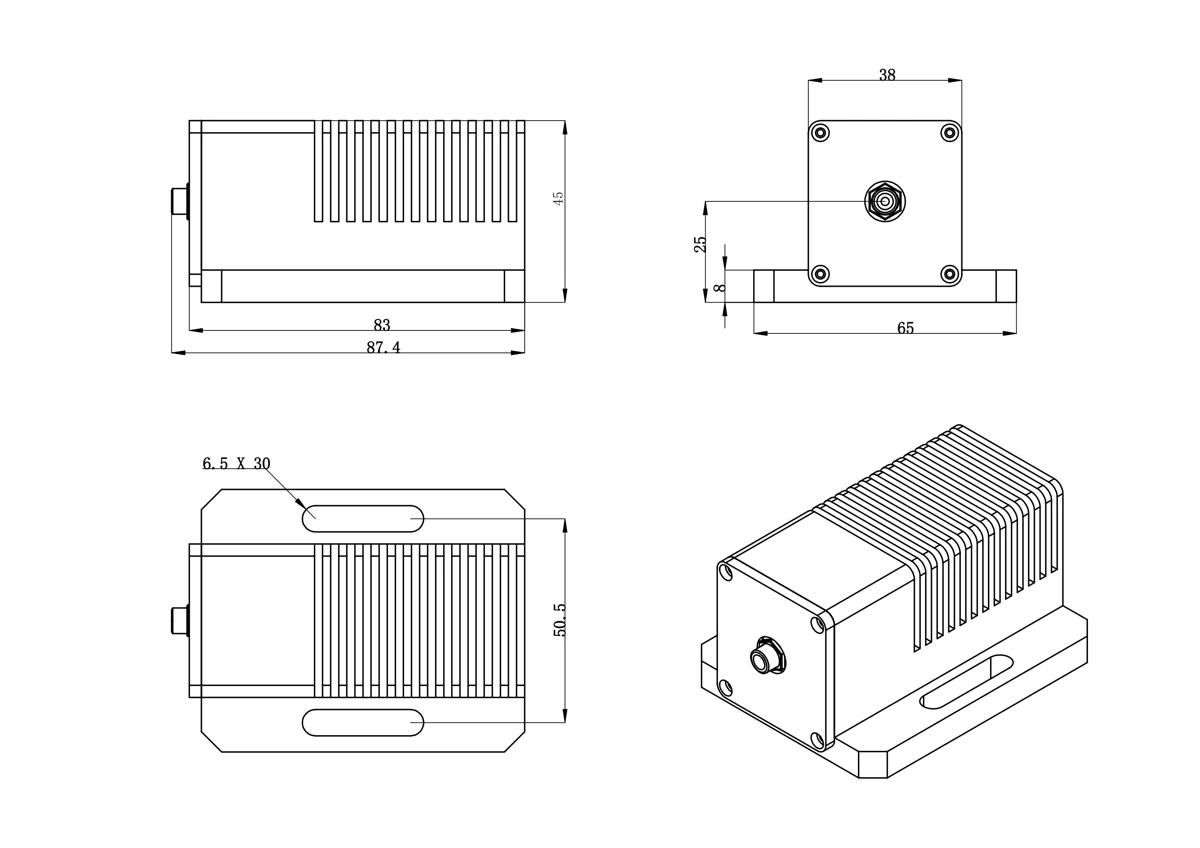
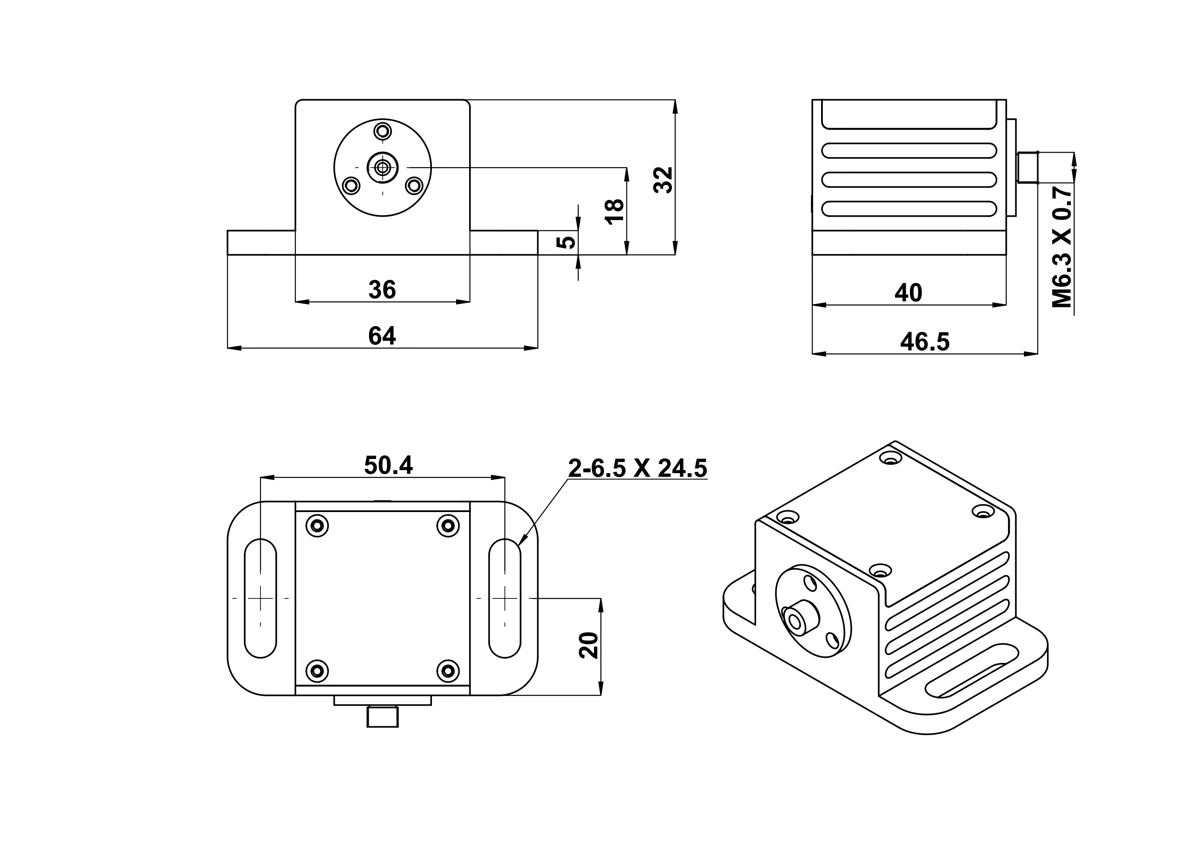
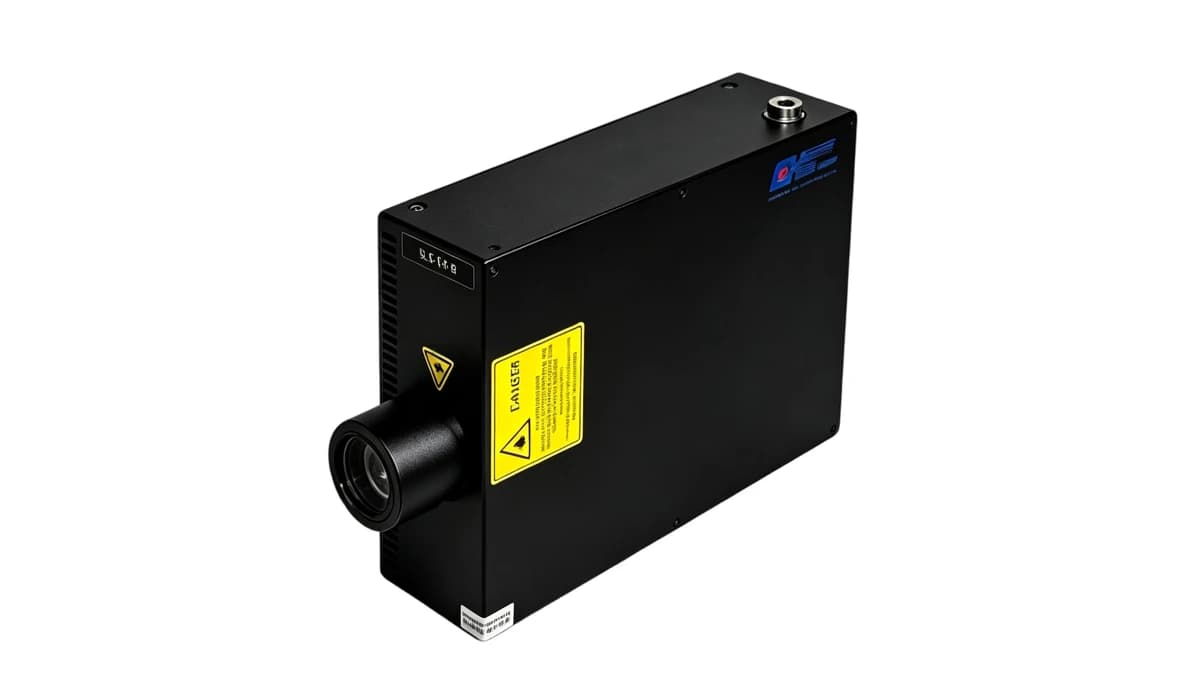
Use a fiber-coupled module for remote delivery, a light engine for a controlled source assembly, or a PCB emitter when your instrument provides the driver, optics and cooling.
- 03
Match power to the interface
For fiber output, choose core diameter and numerical aperture before reading the power column. For engines, check the lightguide or bundle and filter conditions. PCB emitter power is not a fiber-delivered rating.
- 04
Specify control and cooling
Match current, voltage compliance and heat removal to the exact device. Select TTL, analog or RS232 only where specified. Include mounting, connector and synchronization requirements in your enquiry.