Back to Home
Back to Spectroscopy

Resolve the event in time

TransientImaging

Freeze a short exposure, capture a sequence from a single event, or follow a continuous optical time trace. Choose the camera and timing around the measurement.

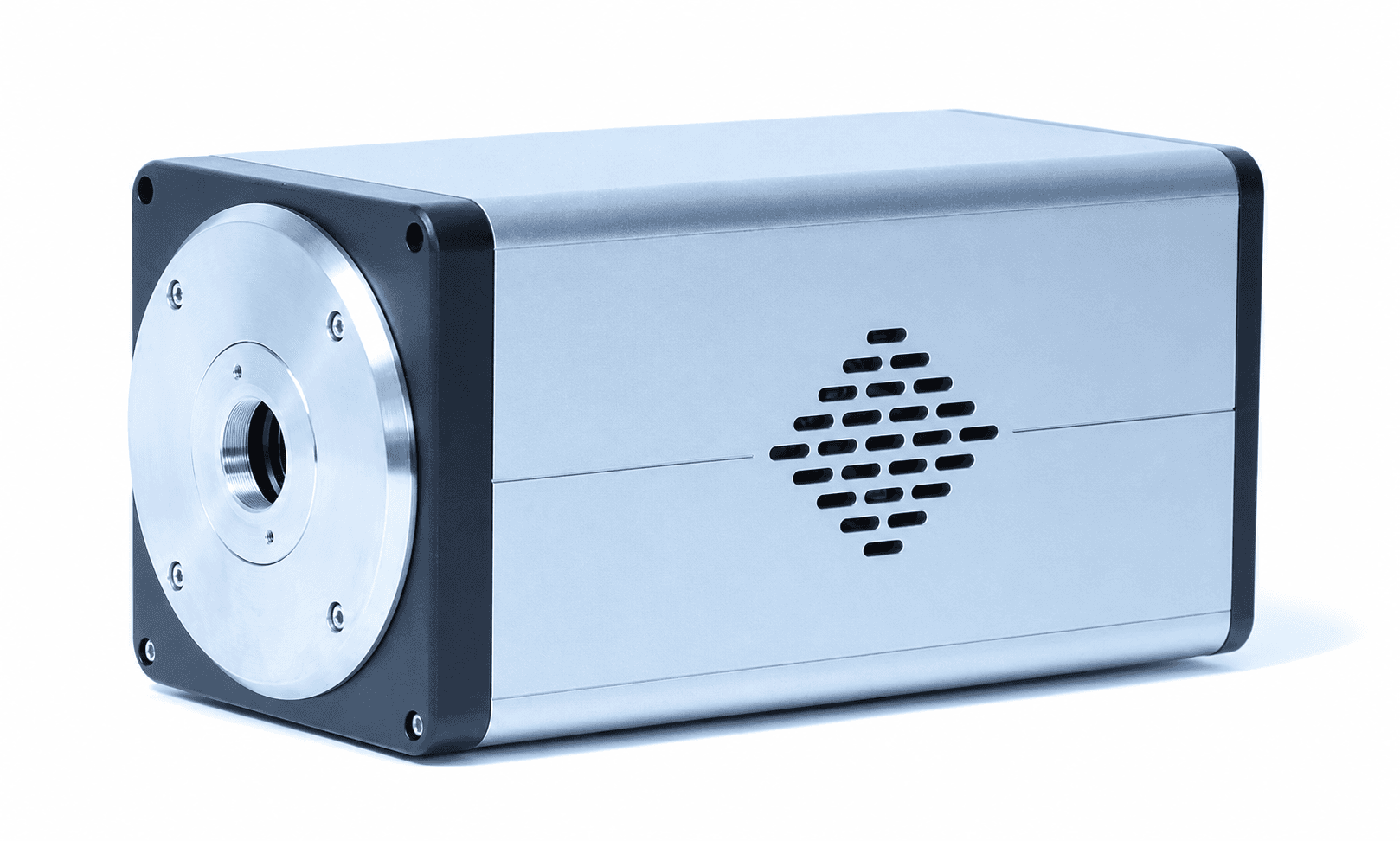
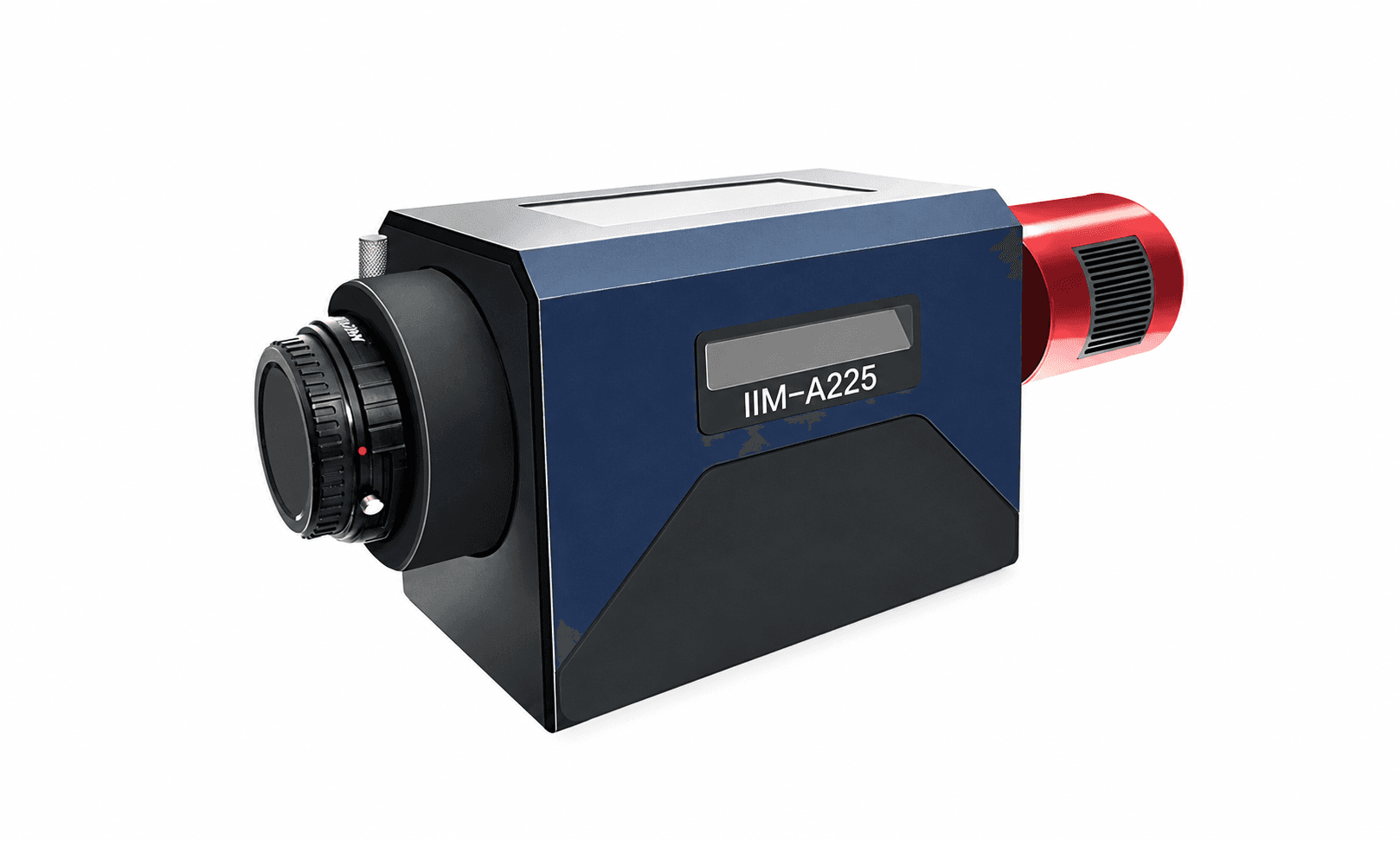
IsCMOS intensified scientific camera for time-gated imaging and spectroscopy
IsCMOS / SIC · Intensified scientific camera

Choose the acquisition method

Gated cameras

Select a short exposure within a fast event. Compare scientific sCMOS readout, high-resolution CCD readout and the HIC fixed 500 ps gate option.

Choose the acquisition method

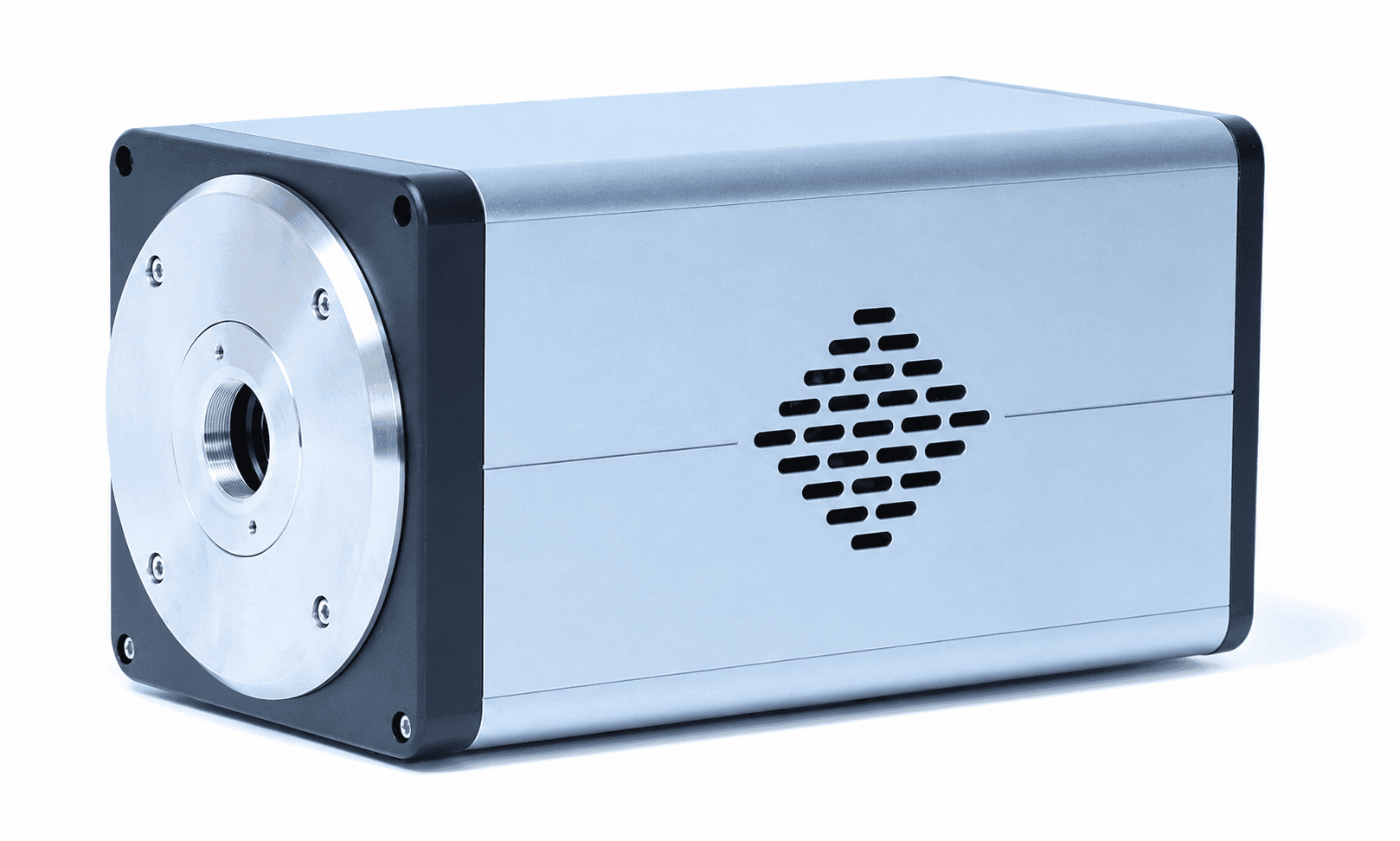
Framing cameras

Record a sequence of images from one event. FC platforms include two, four or eight channels and a four-channel double-exposure configuration.

The FC product page includes both single-exposure and double-exposure configurations, with their model-specific timing constraints.

Choose the acquisition method

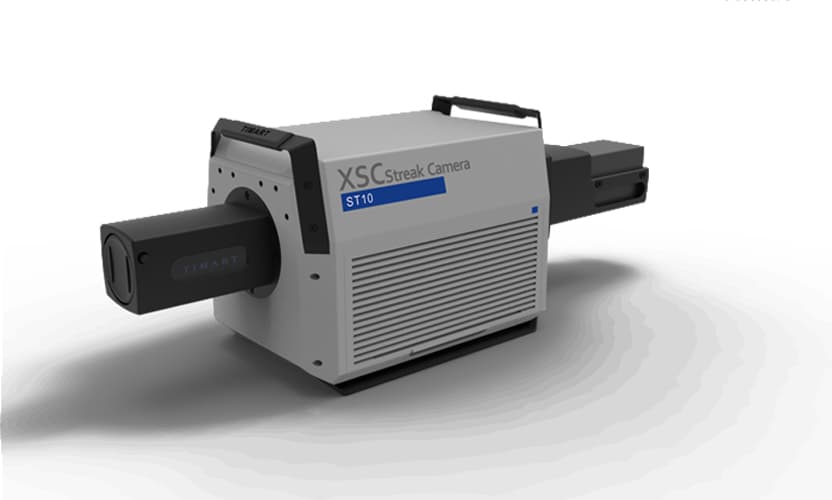
Streak cameras

Convert arrival time into position to record a continuous optical time trace. Pair with a spectrograph for wavelength–time measurements.

T-lab and TIMART are separate camera families. Their ST10/T40 names overlap; select the exact family, readout and sweep configuration.

Complete the configuration

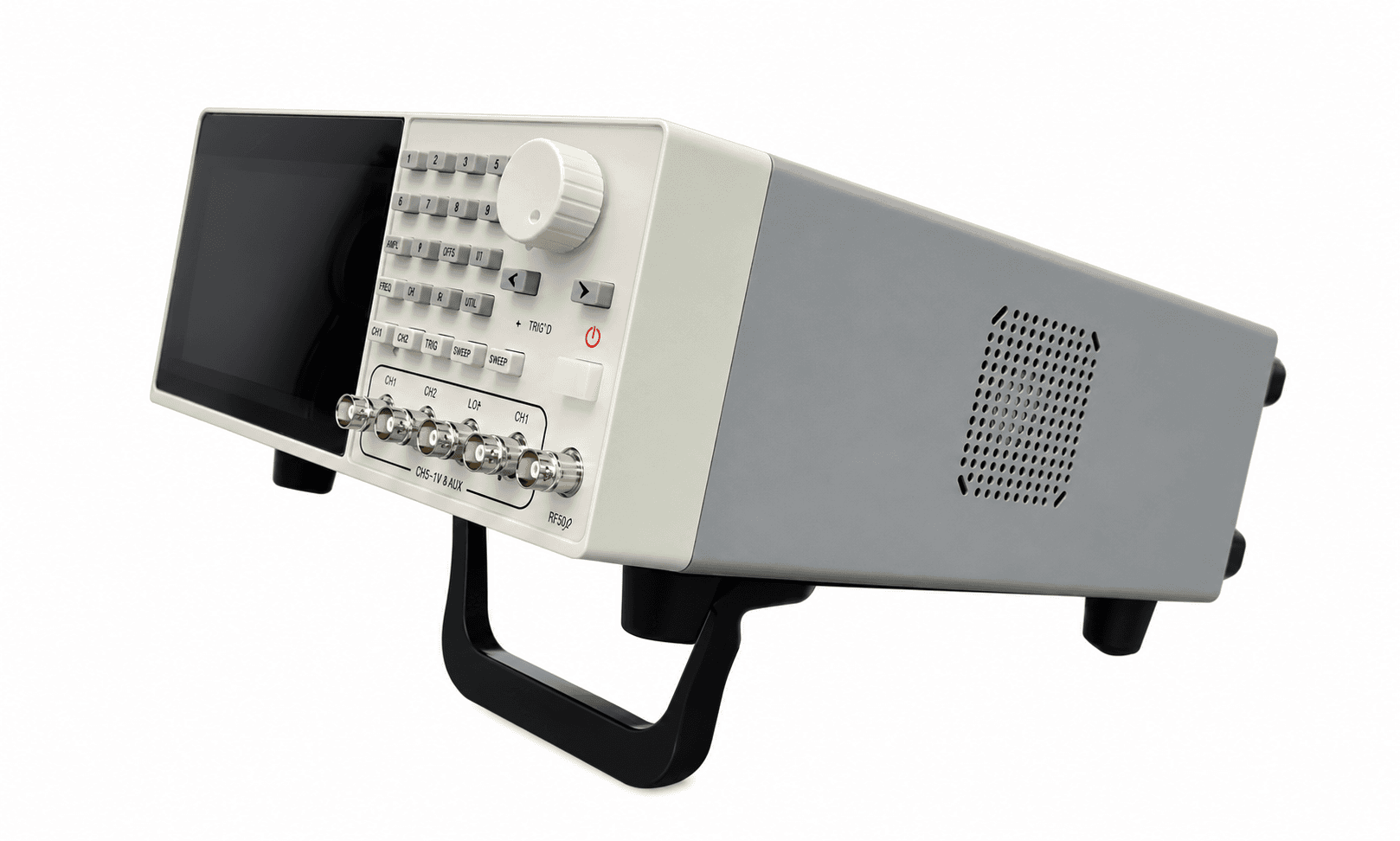
Intensifier modules & timing

Add image intensification to a compatible camera, or synchronise excitation and detector exposure with independently delayed pulse outputs.

Match the time specification to the experiment

Optical gate width, camera frame rate, trigger repetition and timing adjustment step describe different parts of the measurement. Streak-tube resolution also differs from the response of a complete spectroscopy system.

Add wavelength information

Match the camera to a spectrograph, or explore an integrated streak-camera spectroscopy system.

Capture the event that matters

Share the event duration, repetition, wavelength range and required image sequence. We’ll help select the camera, coupling and timing.

Discuss a configuration