Polarization & Phase Control
16 components
Filter by wavelength, fiber and connector in the component finder →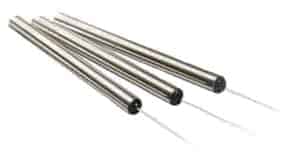
1550nm 2x2 Coupler With Reduced Cladding PM Fiber
Our 2×2 Polarization Maintaining (PM) Coupler is used for monitoring or splitting optical signals in Reduced Cladding Polarization Maintaining fiber. With our advanced micro-optic design, it features low insertion loss, epoxy-free optical path, high extinction ratio, compact package, and high reliability and stability. These high quality components have excellent characteristics, making them an ideal choice for application in fiber amplifier systems, pump lasers, and optical fiber sensors.
1 datasheet1x2, 2x2 PM Fiber Tap
Our 1×2, 2×2 Polarization Maintaining (PM) fiber tap is used for monitoring or splitting optical signals in Polarization Maintaining fiber. The component is available in any coupling ratio from 1% to 50%. Employing our proven advanced micro-optic design, it features low insertion loss, epoxy-free optical path, high extinction ratio, compact package, high reliability, and high stability. These high-quality components have excellent characteristics, making them an ideal choice for application in fiber amplifier systems, pump lasers, and optical fiber sensors.
1 datasheet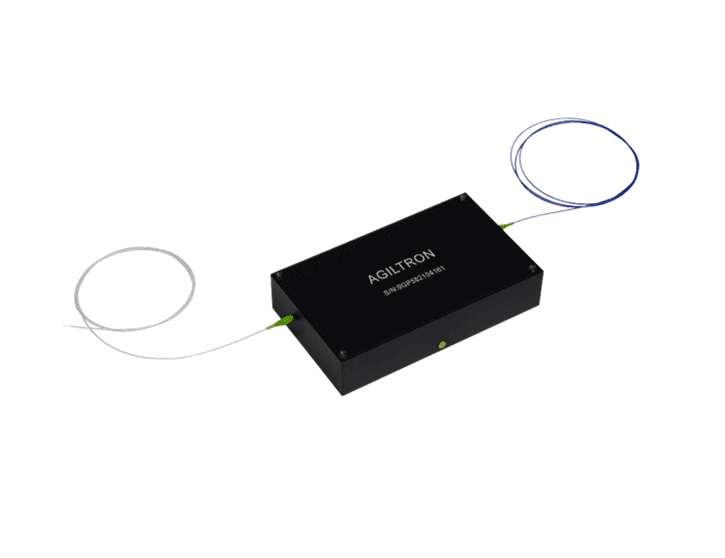
All Fiber Piezoelectric Polarization Scrambler/Depolarizer
The AFPS series All-Fiber Optical Polarization Scramblers effectively randomize the polarization states of optical fibers while offering ultralow insertion loss, broad bandwidth, compatibility with all fiber types, and high power handling. This is achieved through precise, sequential stresses applied by four to six piezoelectric squeezing plates positioned at 45-degree angles, inducing birefringence phase retardation. The scrambler rapidly converts any input polarization into randomly distributed states across the entire Poincaré sphere and is bidirectional in operation. With squeezer frequencies up to 700 kHz and advanced digital circuitry, the device ensures uniform State of Polarization (SOP) distribution across a wide temperature range, making it ideal for demanding sensor applications.
Test WavelengthTypeInput FiberOutput Fiber1 datasheet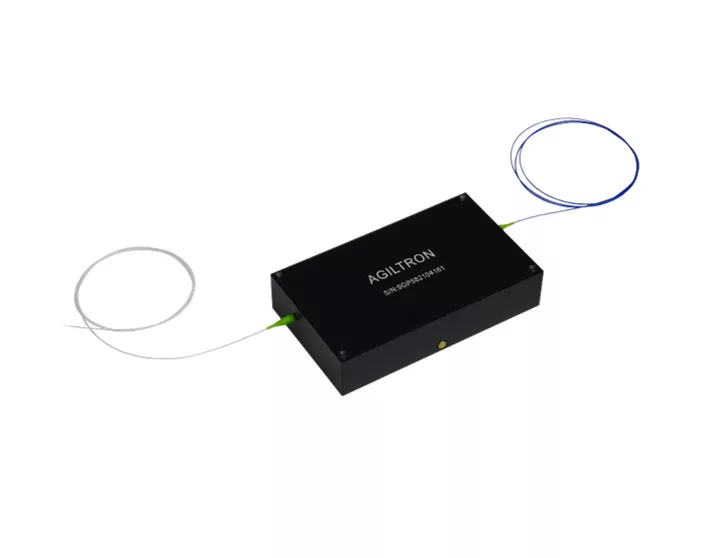
Automatic Polarization Controller With Buit-In Polarimeter
The Polarization Controller (POLC) transforms incoming light with any polarization state into a fixed polarization state and maintains that state against variations in input. This two-fiber port module, POLC, comprises four piezoelectric fiber-squeezing plates arranged at 45-degree intervals, along with polarization state detectors integrated with an intelligent control circuit. It is a plug-and-play module; simply connect the provided power supply to operate. Engineered to meet the operational requirements of fast response and continuous operation, the polarization controller offers an optimal solution for precise and automatic polarization selection. Please note that this module is not suitable for randomly polarized input light. For alternative solutions, please contact us.
Wavelength# PlatesInput FiberOutput Fiber1 datasheet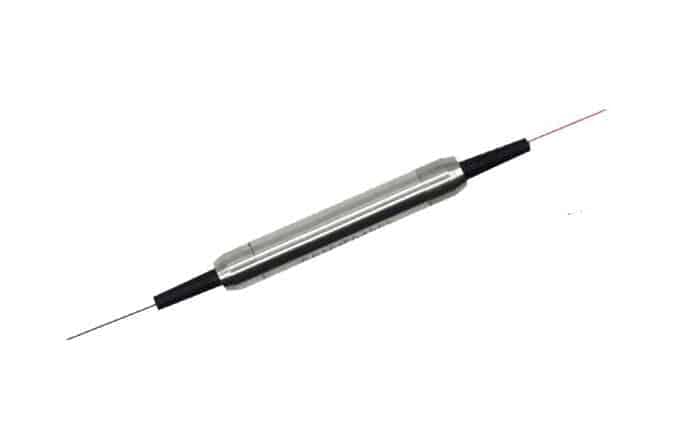
Fiber Inline Polarizer
The In-line Polarizer is designed to pass light with one specific polarization while blocking the other polarization. It can be used to convert non-polarized light into polarized light with a high extinction ratio. It can also be used to enhance the extinction ratio of signals with its polarization properties. We offer all possible fiber coupling combinations: PM to PM, SM to PM, SM to SM. High power version is also available in which a third port is added to guide the unwanted light out. Our design minimizes component assembly costs and module footprint while increasing stability over a wide temperature and wavelength ranges.
Wavelength (nm)PackageInput FiberOutput Fiber1 datasheet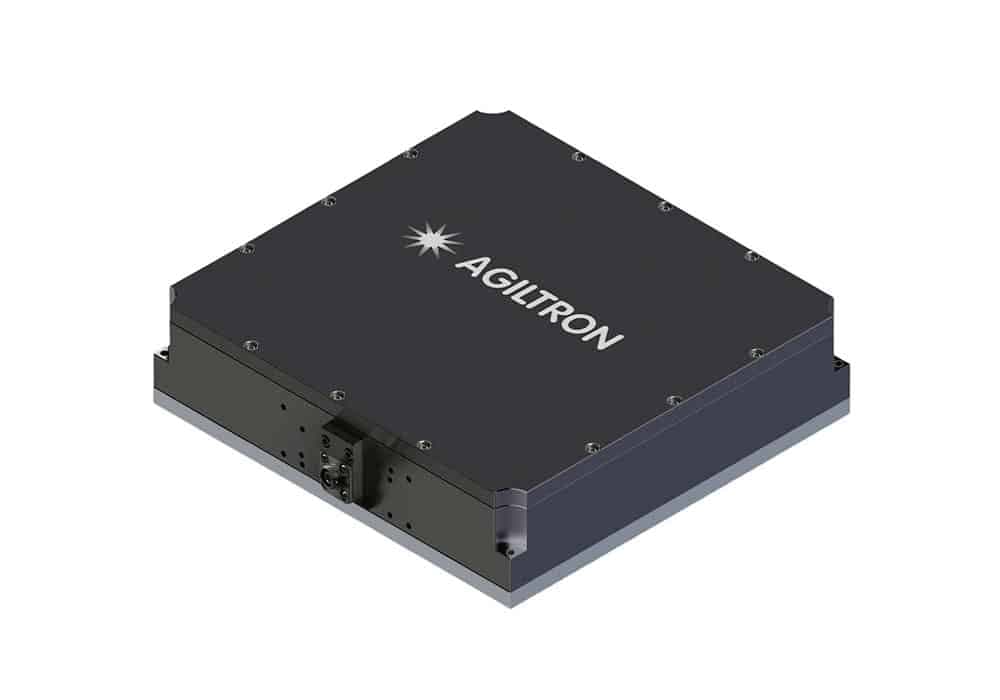
Fiber Polarization Controller – 0.5dB Loss, 2Hz, USB
The FPOL Series All-Fiber Polarization Controllers are constructed from a single continuous optical fiber routed through four independently stepper motor–driven loop paddles. Each paddle functions as a rotatable waveplate, enabling full-range polarization control with ultra-low insertion loss, broad wavelength compatibility, and high optical power handling. Each fiber loop introduces controlled stress and rotation, leveraging birefringence modulation and geometric phase effects to precisely manipulate the polarization state of light. This all-fiber design ensures inherently broadband operation across transmitted wavelengths, with only minor wavelength dependence due to birefringence characteristics. The FPOL system can operate as either a polarization controller or a polarization scrambler.
TypeWavelengthFiber TypeConnector1 datasheet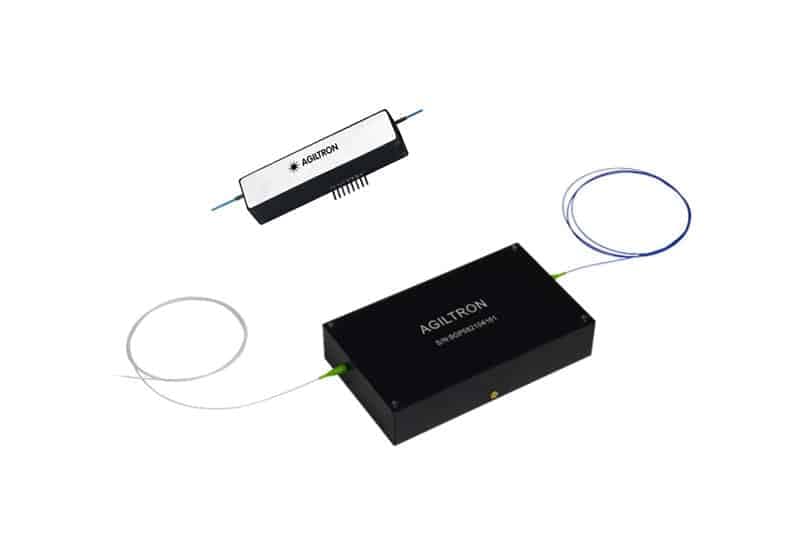
Fiber Polarization Controller Piezoelectric – 0.5dB, 100kHz
The Piezoelectric Polarization Controller (PIPC) uses up to four piezoelectric fiber-squeezing elements spaced 45° apart to induce controlled birefringence and phase retardation in an optical fiber. Each actuator applies variable pressure to the fiber, creating stress-induced birefringence via the photoelastic effect, where the refractive index becomes polarization-dependent. This controlled anisotropy produces a differential phase shift between orthogonal polarization modes, enabling precise polarization rotation and full coverage of the Poincaré sphere. The device is built from a single continuous strand of polyimide-coated fiber, ensuring minimal insertion loss, high reliability, and broadband operation, although the birefringence magnitude has some wavelength sensitivity.
Wavelength# PlatesPackageFiber Type1 datasheet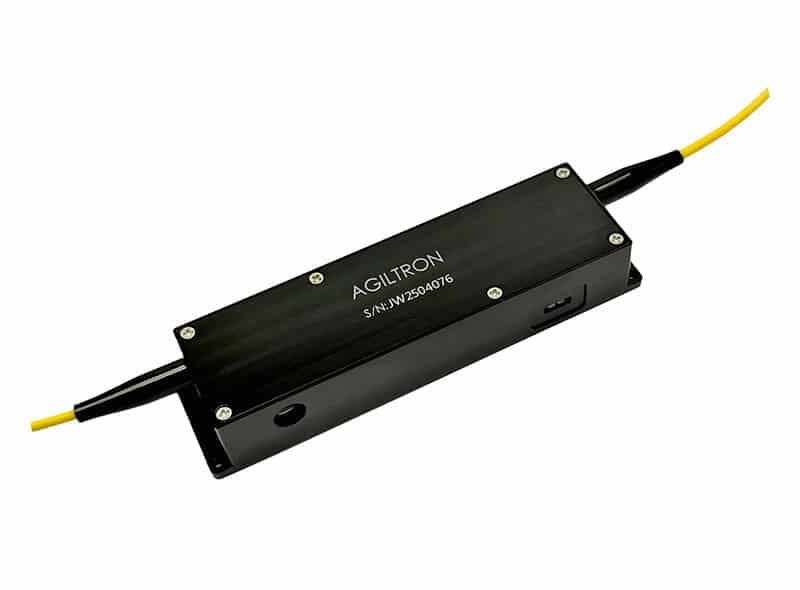
Fiber Scrambler/De-Speckler – 10kHz Voice-Coil
The Optical Fiber Mode Scrambler/De-Speckler (FMSC) is engineered to scramble laser light modes in multimode fibers, eliminating modal interference without optical loss. As laser light propagates through a multimode fiber, the beam shape or mode field fluctuates with time and distance, causing signal instability. The FMSC resolves this by redistributing the mode field with modulation up to 10 kHz, ensuring a stable, homogeneous laser output ‒ essential for applications requiring uniform beam quality. Ideal for measurement and sensor systems, the FMSC enhances accuracy despite environmental variations. In many fiber-coupled applications, reducing speckle is crucial, as modal noise can degrade performance.
Fiber TypeTypeFiber ProtectionFiber Length1 datasheet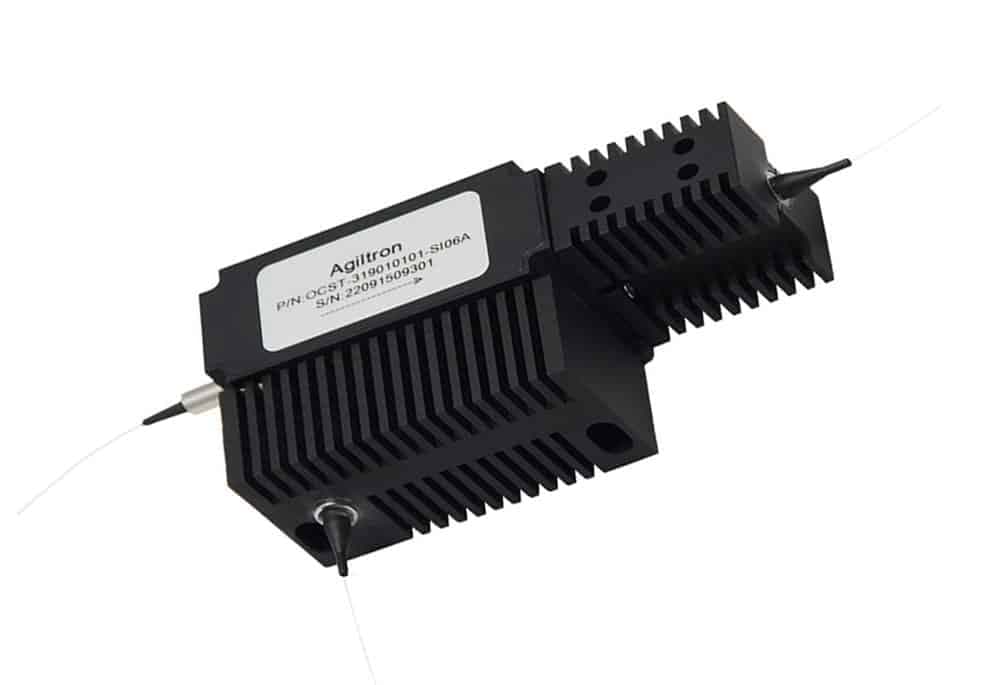
High Power Fiber Inline Polarizer
The High Power Fiber In-line Polarizer is designed to pass light with one specific polarization while blocking the other polarization. It can be used to convert no-polarized light into polarized light with high extinction ratio. It can also be used to enhance the extinction ratio of signals with its polarization properties. We offer all possible fiber coupling combinations: PM to PM, SM to PM, SM to SM. It has a third port to guide the unwanted light out. Our design minimizes component assembly costs and module footprint while increasing stability over a wide temperature and wavelength ranges.
1 datasheetHigh Precision No Drift Polarization Controller – Repeatable, USB
The POLU is a turn-key module, providing precise polarization control with three independently step-motor-driven rotatable waveplates, adaptable for both fiber-coupled and free-space applications across a wide range of operating wavelengths and high optical powers. The POLU is designed to convert incoming light with any polarization state into a specific polarization state on the Poincaré sphere, working together with a polarimeter. With a single or dual rotator configuration using polarizer plates, polarizer prisms, or polarization beam splitters, the POLU functions as a polarizer with sub-degree directional resolution. A high-precision driver with a built-in encoder allows adjustments with accuracy better than 0.03 degrees, managed through an intuitive GUI accessible via USB or RS232. This plug-and-play unit includes a wall-pluggable DC power supply.
WavelengthStage 1Stage 2Stage 31 datasheet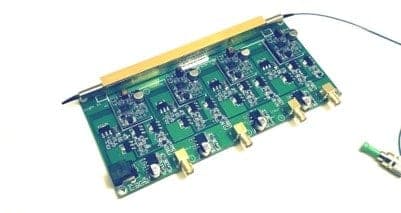
High Speed Fiber Polarization Controller, 10ns
The NOPC polarization controller contains four high-speed electro-optical birefringence phase retardation plates, each independently controlled via analog inputs through four SMA connectors. It provides complete coverage of the Poincaré sphere, enabling the transformation of any input polarization state to any desired output state. Designed for continuous operation and fast response, it supports endless polarization control when integrated with sensors and auto-control firmware, ensuring stable output without manual resets. A wall-pluggable DC power supply is standard. A metal benchtop electrostatic protection enclosure, including a power supply, is an option for laboratory use. NOPC is ideal for applications requiring precise and reliable polarization management in dynamic environments.
TypeWavelengthPackageFiber Cover1 datasheet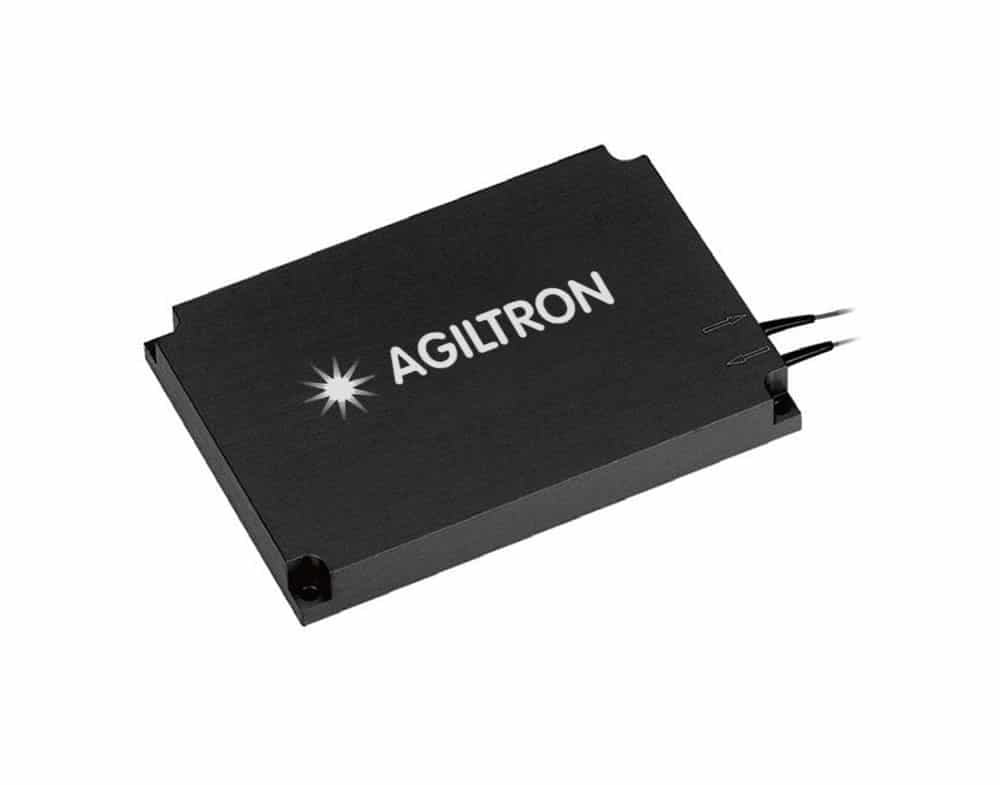
Passive Optical Fiber Depolarizer: >1nm Linewidth
The PFDP Passive Optical Fiber Depolarizer is an all-fiber device that converts polarized input into random polarization output, featuring ultra-fast response, low cost, high power handling, and no electrical power requirements. It employs multiple fiber couplers arranged in series to achieve polarization scrambling, where each coupler introduces changes in polarization due to slight birefringence variations and random phase shifts. The cumulative effect results in complex, non-deterministic polarization changes, effectively scrambling the input light.
TypeInput LightWavelengthPackage1 datasheet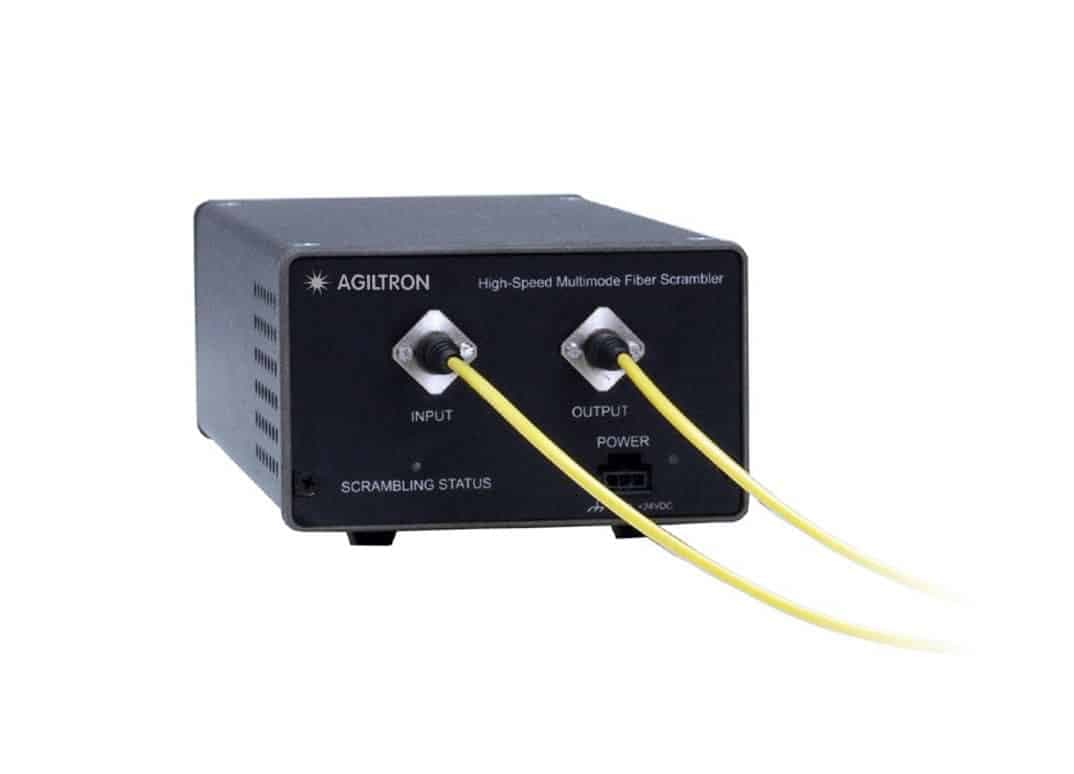
Piezoelectric Fiber Scrambler/De-Speckler – 150kHz
The MMSP removes speckle patterns from multimode fiber, addressing issues in applications requiring uniform, stable light output. This multimode scrambler effectively randomizes speckle patterns at a high frequency (>150 kHz), producing a uniform and stationary light distribution for cameras or detectors with averaging times over 80 ms. The all-fiber optical path minimizes insertion loss, and the fiber undergoes special surface treatment for high reliability under stress. Ideal for DNA sequencing, multimode fiber sensing, and testing of multimode fiber devices, the MMSP is a plug-and-play benchtop unit with a default-enabled TTL input and a 24 V power supply included.
Fiber CoreFiber CoverPigtail LengthConnector1 datasheet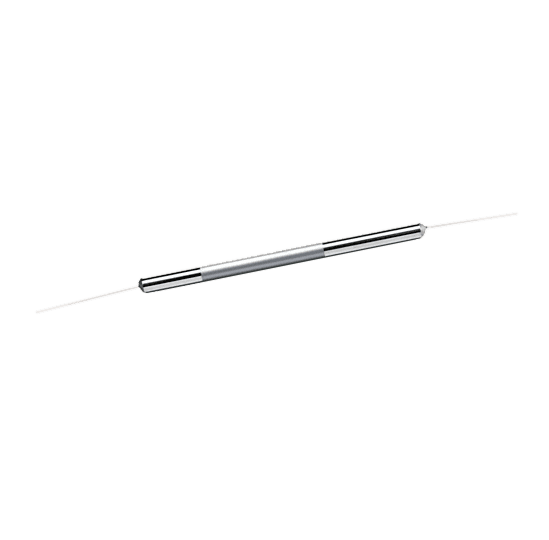
Polarization Beam Combiner/Splitter
Our PB Series Polarization Beam Combiners/Splitters are designed to combine two polarized light signals into a single output or split one light signal into two polarized outputs. We offer both fused and micro-optic platforms, each with distinct advantages. The fused combiners are cost-effective, low-loss, high-power, and compact. In contrast, the micro-optic combiners provide a higher extinction ratio and improved temperature stability and are compatible with all types of fibers, including hollow-core photonic fibers. Regular couplers incur significant losses when combining light. For instance, a 50/50 coupler results in a 50% loss for each beam when combined.
PowerWavelengthPERPort 1 Fiber Type1 datasheet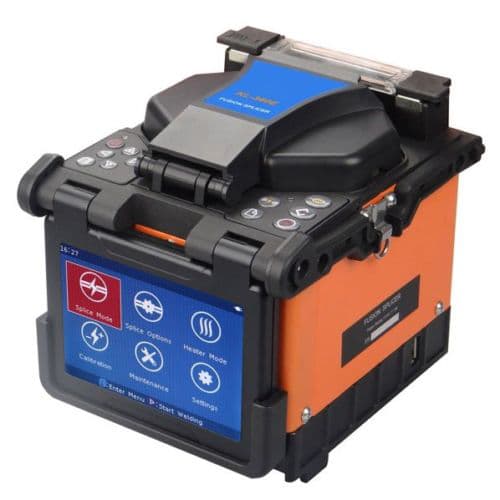
Polarization-Maintaining (PM) / Multicore / Photonic-Crystal Fiber Fusion Splicer
The TUNE PM 500 Splicer is an innovative device designed for fusion splicing polarization-maintaining (PM) fibers. It enhances traditional fusion splicing by incorporating manual rotary fiber holders and specialized software, enabling precise manual alignment of PM fiber axes while automating core alignment. This combination ensures low-loss, high-strength splices. Operators can manually rotate the fiber holders to align the PM axes by visually matching stress patterns displayed on the device, allowing for splicing at various angular offsets, such as 90 or 45 degrees. Once aligned, the splicer automates the fusion process with a single button press.
Fiber DiameterBatteryLive ER MeasurementEnd Face Monitoring3 datasheetsUltra-Fast Fiber Polarization Scrambler/Depolarizer
The NOPS Series High-Speed Polarization Scrambler is a non-mechanical, electro-optical device engineered for ultra-high-speed polarization randomization with low optical loss and exceptional long-term reliability. It employs multiple electro-optic crystal-based polarization rotators, aligned at 45° intervals, each driven at a distinct fixed frequency to achieve rapid, full-coverage scrambling over the Poincaré sphere. Configurations are available with 3 to 4 rotators, with higher plate counts improving performance in terms of operating temperature range, wavelength coverage, and residual degree of polarization. For even tighter specifications, two units can be connected in series. Housed in a compact aluminum enclosure, the plug-and-play module requires no adjustments—simply connect the fibers and supply 12V DC power using the included adapter.
# RotatorWavelengthMax FrequencyOptical Power6 datasheets