Back to Home

Mightex · Polygon adaptors and expanders

Multi-Port Illuminator

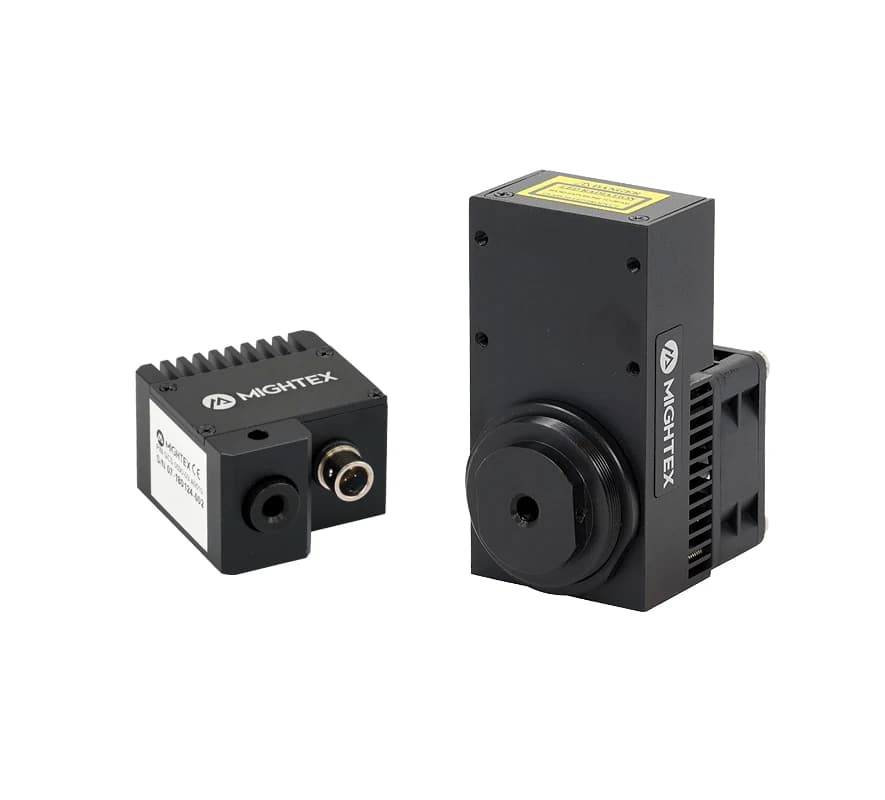
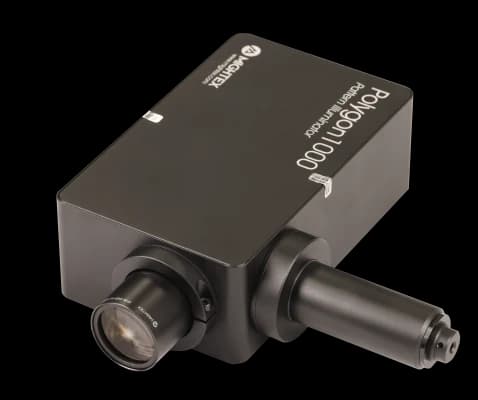
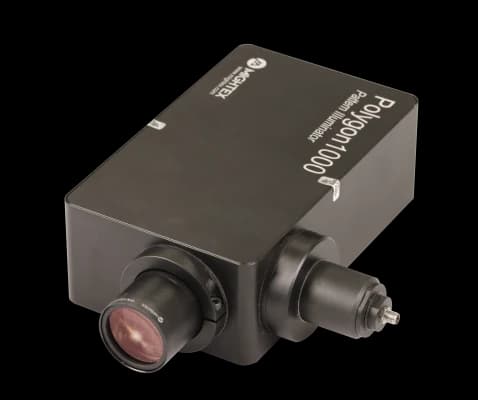
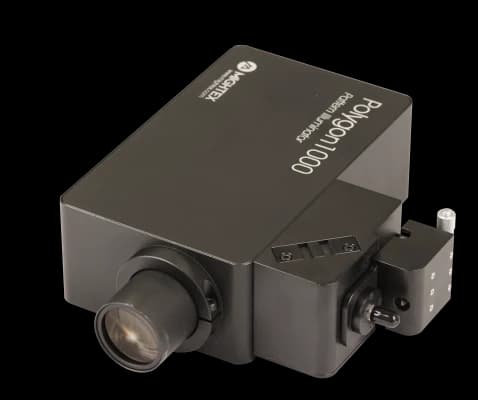
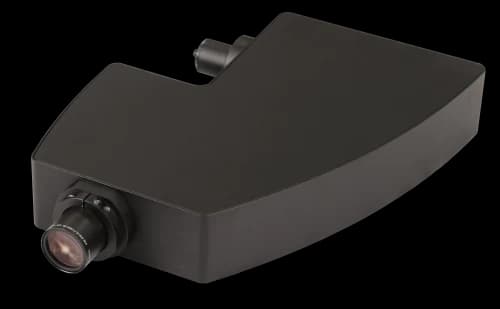
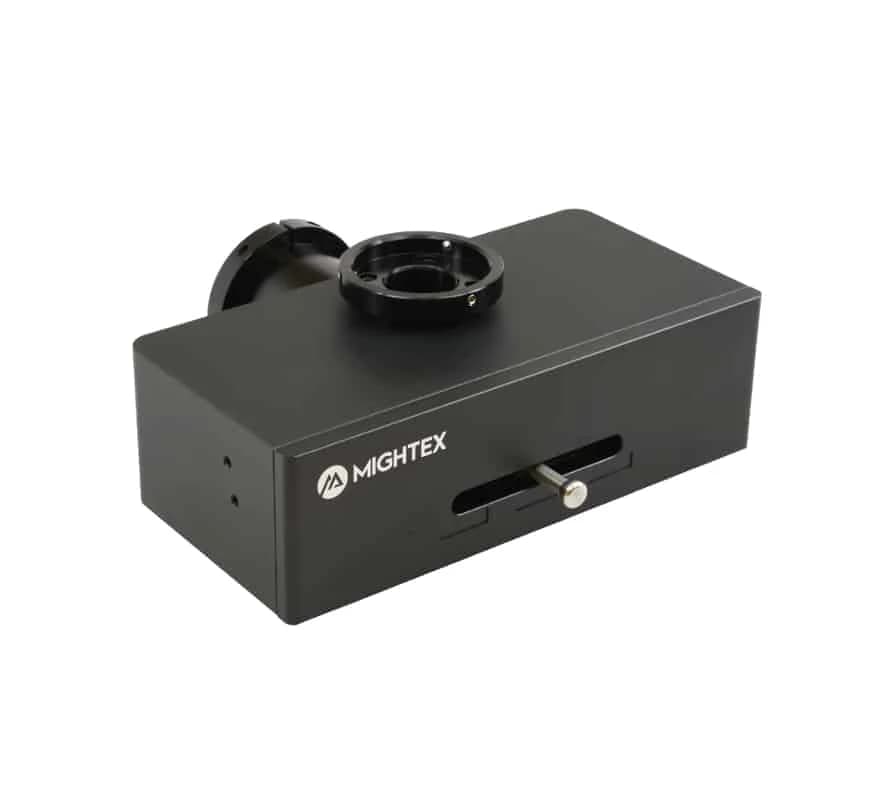
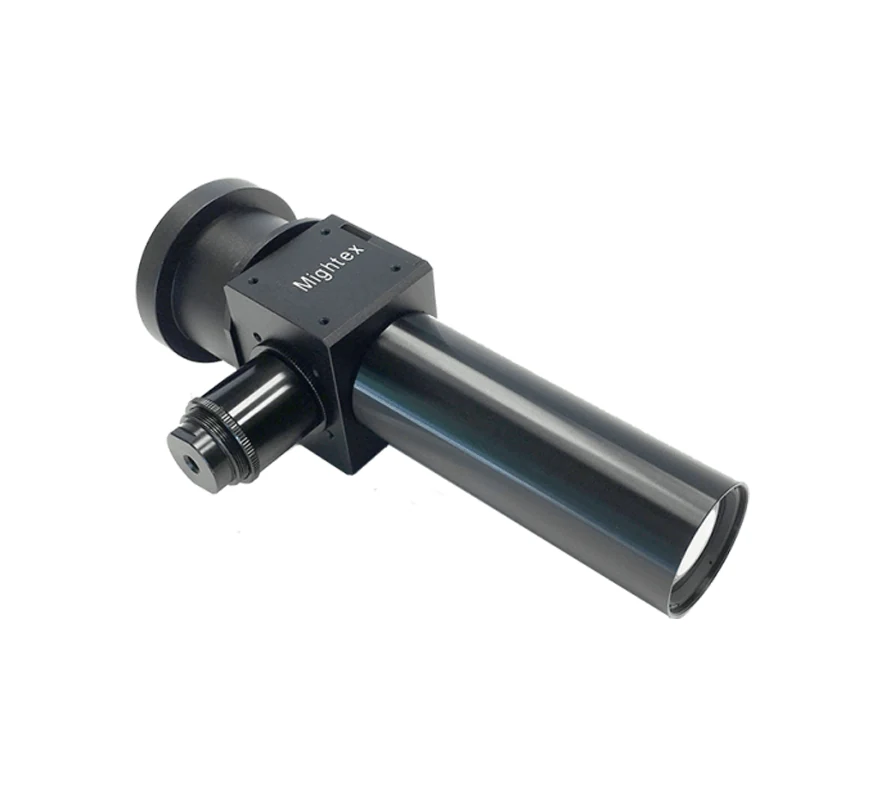
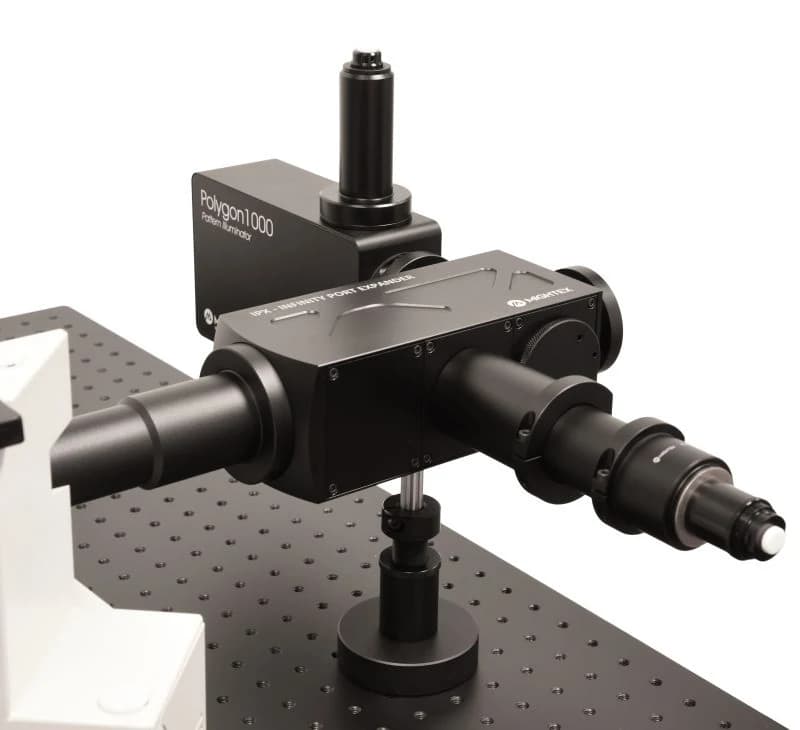
Mightex’s Multi-Port Illuminator (MPI) enables researchers to add a Polygon Patterned Illuminator to their microscope for targeted illumination while keeping their original light source for epi-fluorescence or other wide-field stimulation.

Part numbers
1
1 part number

Your enquiry

Part number MPI-000

Discuss my setup

Quotation-based: tell us about the setup and we prepare a quotation for it.

Manufactured by Mightex. Precisometer is a Mightex distribution partner: we quote, integrate and support Mightex products, with in-person support in the Netherlands and Belgium.

Choose this when…

  • You want to add a Polygon to a microscope while keeping its original light source for epi-fluorescence or widefield stimulation.

Based on: Mightex Multi-Port Illuminator page.

How it differs from related patterned illumination

Values this page lists that its neighbours in “Polygon adaptors and expanders” do not.

  • Component: Illumination accessory

From Mightex

About the Multi-Port Illuminator

Mightex’s Multi-Port Illuminator (MPI) enables researchers to add a Polygon Patterned Illuminator to their microscope for targeted illumination while keeping their original light source for epi-fluorescence or other wide-field stimulation. MPI can be used in any inverted or upright microscope (e.g. Leica, Nikon, Olympus and Zeiss), or on Mightex’s OASIS Macro/Micro/Implant systems.

Downloads

Technical documents

No downloadable document is published for this item.

We can send the technical information Mightex provides for it.

Request technical information

Build your experiment

Patterned photostimulation on a microscope

Conceptual workflowFollows the three selection steps in Mightex’s Polygon guide (wavelength, Polygon model, microscope adaptor), with control added from the PolyScan page. It is not a verified configuration: we check how the parts fit your equipment before quoting.

  1. 1

    Light source

    Pick the wavelength for your opsin or chemistry, in the format the Polygon input accepts.

  2. 2

    Patterning

    The Polygon model follows from the source: lightguide, fiber, both, or ultra-high contrast.

  3. 3

    Microscope coupling

    An adaptor for your microscope make and model; an expander if the port is shared.

    • View details
    • View details
    • This page
  4. 4

    Control and acquisition

    Software, triggering and a camera for calibration and imaging.

View enquiry list