SWIR astronomy and research
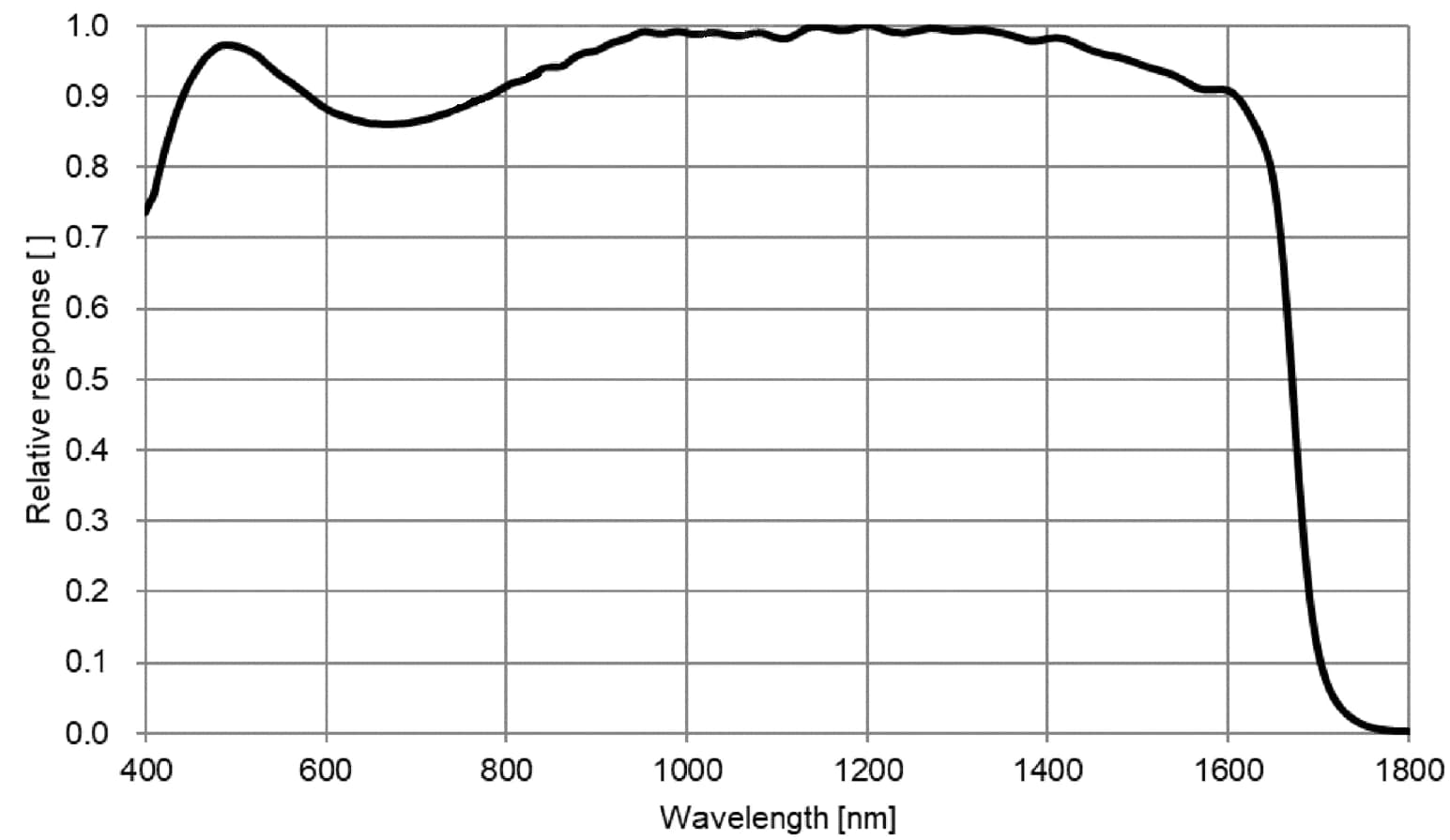
400–1700 nm response supports visible-to-SWIR observation with the IMX992 InGaAs sensor.
Deep-sky cooled
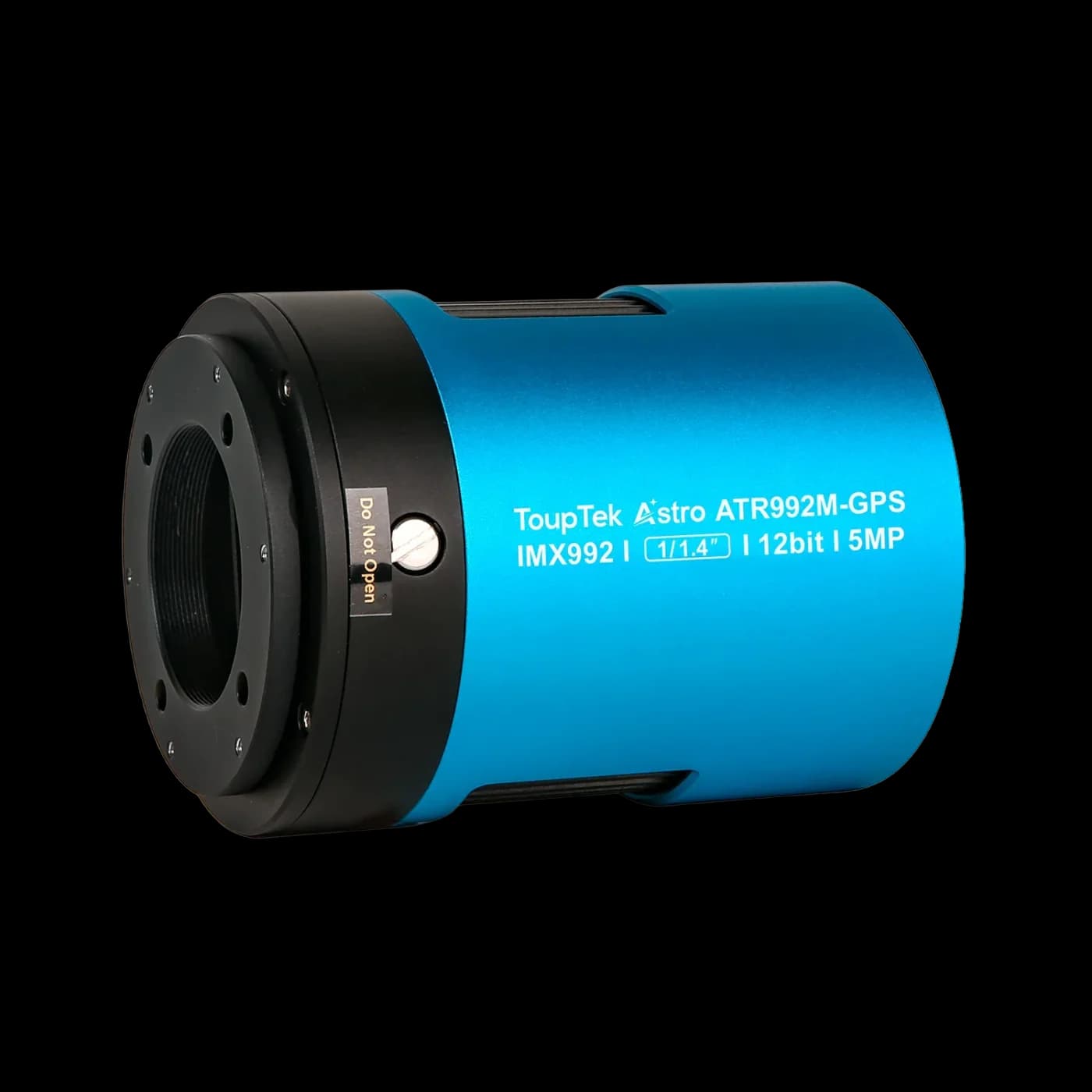
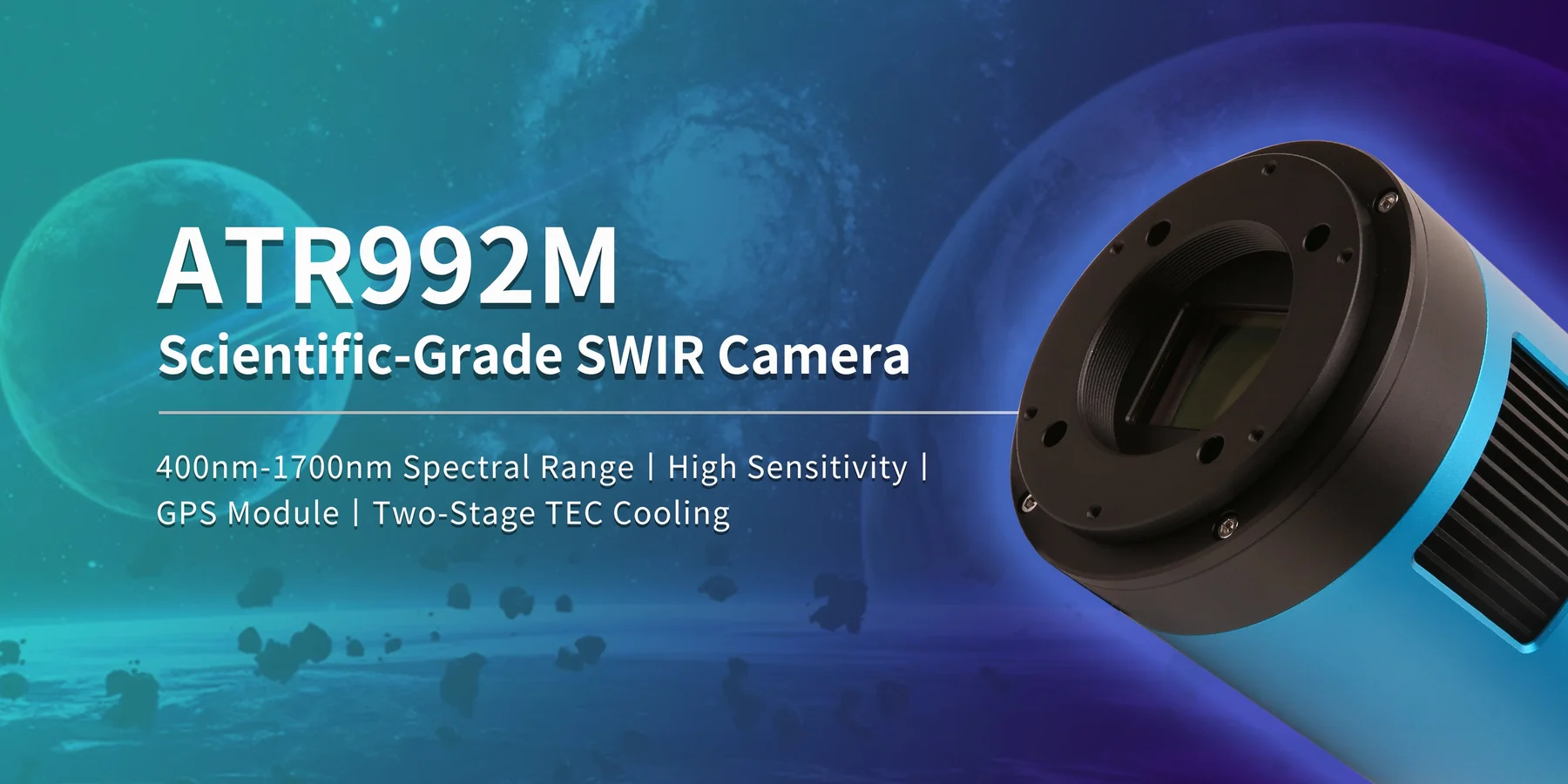
ToupTek ATR992M is a SWIR InGaAs astronomy camera using the IMX992 sensor, with 5 MP (2560 × 2048), 3.45 µm pixels and 36 fps. Designed for swir astronomy and research, dust and haze penetration imaging, occultation and transient observation. Available from Precisometer for professional astronomy systems.
Application context
Choose the ATR992M when your telescope and target benefit from 1/1.4-inch, 9.2 × 7.6 mm sensor coverage, 3.45 µm sampling, two-stage TEC, ΔT ≈30 °C and 400–1700 nm response.
400–1700 nm response supports visible-to-SWIR observation with the IMX992 InGaAs sensor.
Longer-wavelength response can reveal targets and structures that are difficult to distinguish in visible light alone.
Global-shutter capture and precise timing support synchronized observations of short astronomical events.
Suitable for scientific SWIR experiments, beam observation and quantitative imaging where a cooled camera is required.
Specifications
37 specification rows
The ATR992M is an astronomy camera in the ATR DSO cooled series, built around a Sony IMX992 SenSWIR InGaAs monochrome sensor sensor, 5 MP (2560 × 2048) resolution, 3.45 µm pixels, frame rates up to 36 fps, a USB 3.0 interface. It suits deep-sky cooled where reliable imaging performance and interface compatibility matter.
| Model | ATR992M |
|---|---|
| Status | Current |
| Application | Deep-sky cooled |
| Sensor | Sony IMX992 SenSWIR InGaAs monochrome sensor |
| Sensor Type | Global-shutter SWIR InGaAs monochrome CMOS |
| Sensor Size | 1/1.4-inch, 9.2 × 7.6 mm |
| Resolution | 5 MP (2560 × 2048) |
| Pixel Size | 3.45 µm |
| Shutter Type | Global shutter |
| Frame Rate | 36 fps |
|---|---|
| ADC | 12-bit |
| Peak QE | >90% |
| Dynamic Range | 8.5 stops |
| Read Noise | 68.34–80.16 e⁻ |
| Full Well | 70.3 ke⁻ |
| Spectral Range | 400–1700 nm |
| Interface | USB 3.0 |
|---|---|
| Mount | M42 / M54 astronomy adapters |
| Cooling | Two-stage TEC, ΔT ≈30 °C |
| Sensor Diagonal | 11.4mm |
|---|---|
| LCG Read Noise | 68.34-80.16e- |
| Maximum SNR | 44.9dB |
| Frame Buffer | 512MB |
| Sensor Chamber Window | Longpass protective window |
| Back Focal Distance | 17.5mm |
| Protective Window | Longpass |
| Color Filter Array | Mono |
| Exposure Time Range | 0.015 ms to 60 s |
| Gain Range | 1× to 150× |
| Supported Modes | Full resolution, hardware ROI, digital and hardware binning, HCG / LCG |
| Camera Mount | M42 × 0.75 female thread |
| Camera Dimensions | Diameter 80 mm × length 107.1 mm |
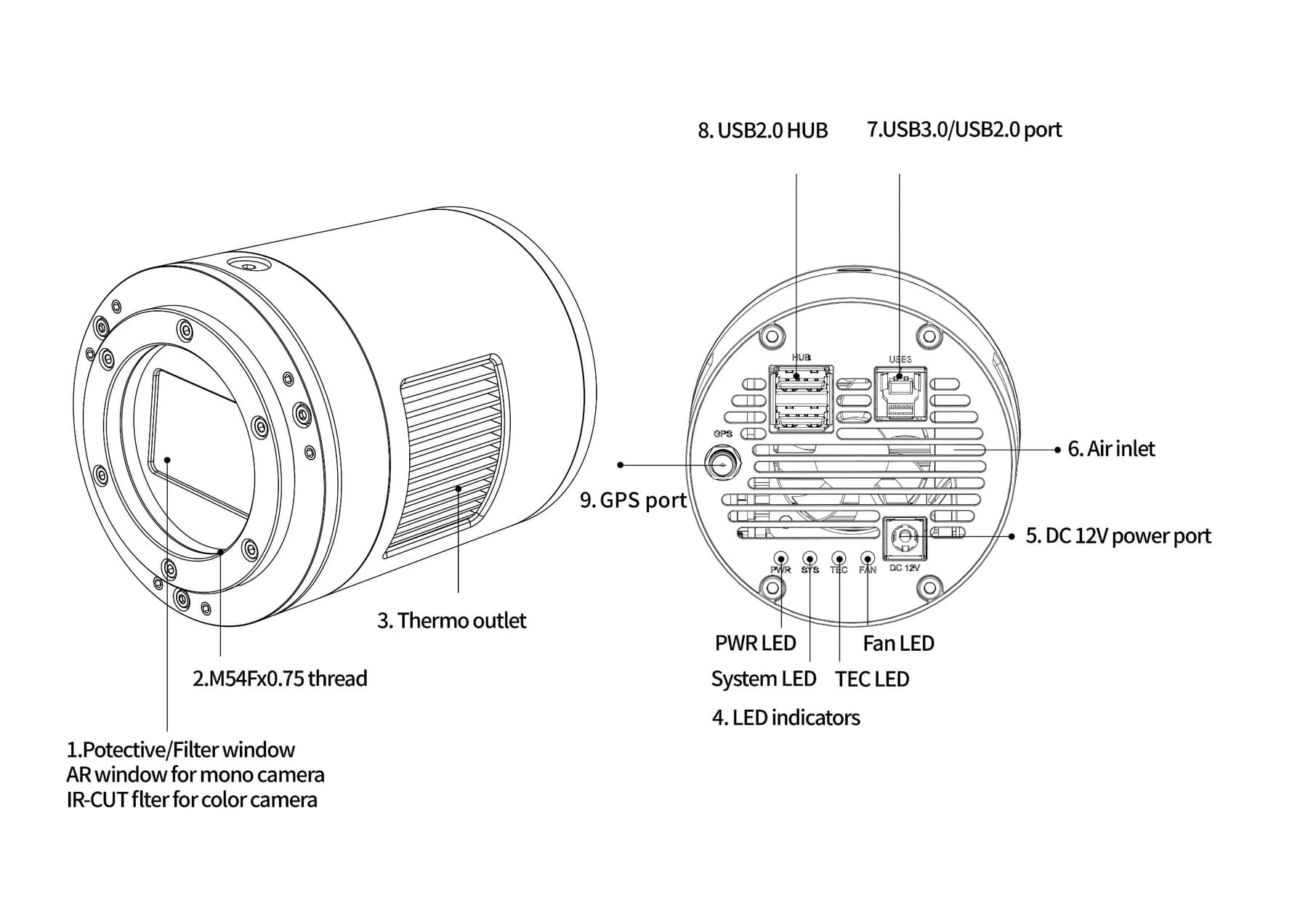
| Extra Ports | USB 2.0 hub × 1 for accessories; GPS port × 1 |
| Power Input | DC 12 V / 3 A, 5.5 × 2.1 mm connector |
| Supported OS | Windows XP / Vista / 7 / 8 / 10 / 11 (32 & 64 bit); macOS; Linux |
| SDK Support | Windows / Linux / macOS / Android SDK (C/C++, C#/VB.NET, Python, Java, DirectShow, Twain) |
| Software Compatibility | ToupSky; ASCOM platform; N.I.N.A; INDI; PHD Guiding; MaxIm DL; Nebulosity; SharpCap; FireCapture and more |
Technical media
Official sensor-response, performance, and mechanical imagery for the ATR992M.
System integration
Use these checks to connect ATR992M to the surrounding optical, mechanical and control system. Every value shown is taken from this model's own specification record.
Technical FAQ
Mount: M42 / M54 astronomy adapters. Use a lens image circle that covers the sensor and check flange distance before adding C/CS, F-mount or M42 adapters.
Sensor: Sony IMX992 SenSWIR InGaAs monochrome sensor · Sensor Type: Global-shutter SWIR InGaAs monochrome CMOS. Match pixel pitch to the diffraction-limited spot the optics deliver. Sampling finer than the optics resolve multiplies data volume without adding information; sampling coarser discards resolution you have paid for.
Frame Rate: 36 fps · Interface: USB 3.0. Confirm the host can sustain the interface bandwidth continuously, not in burst. A camera that outruns the write path stalls acquisition rather than dropping quietly to a lower rate.
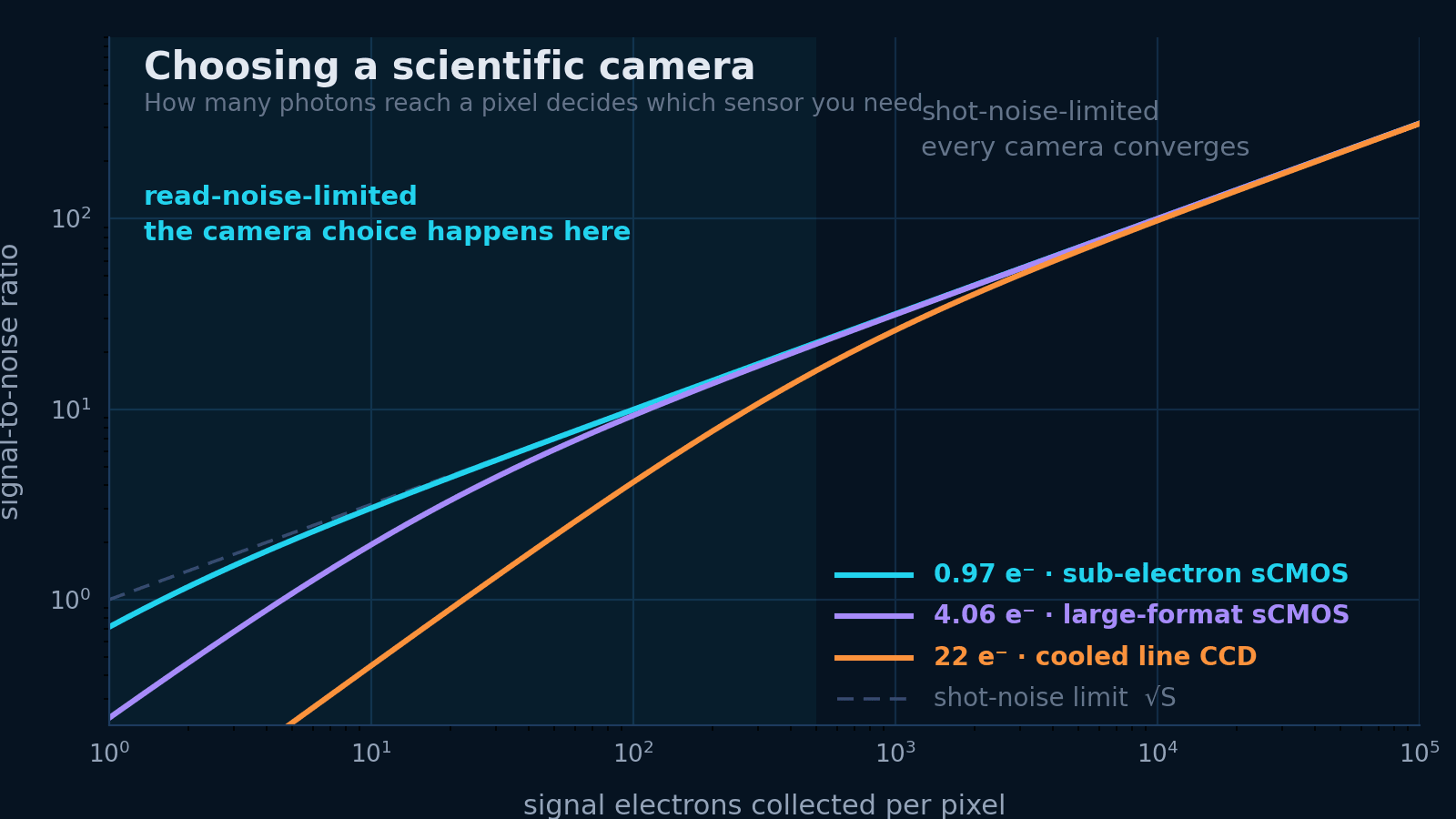
Dynamic Range: 8.5 stops · Read Noise: 68.34–80.16 e⁻. Judge these figures at the exposure time you will actually use. Cooling matters where dark current accumulates over seconds; read noise dominates short exposures where it never does.
Tell us your sensor, resolution, spectral range, frame-rate, interface, and software requirements and we will confirm the matching configuration and lead time.
Model selection
Compare ATR992M with the closest available models in the ATR DSO cooled family.
| Selection parameter | ATR992M (current) | ATR585M | ATR585C |
|---|---|---|---|
| Sensor | Sony IMX992 SenSWIR InGaAs monochrome sensor | Sony IMX585 monochrome CMOS | Sony IMX585 color CMOS |
| Resolution | 5 MP (2560 × 2048) | 8.3 MP (3840 × 2160) | 8.3 MP (3840 × 2160) |
| Sensor size | 1/1.4-inch, 9.2 × 7.6 mm | 1/1.2-inch, 11.2 × 6.3 mm | 1/1.2-inch, 11.2 × 6.3 mm |
| Pixel size / frame rate | 3.45 µm | 2.9 µm | 2.9 µm |
The IMX992 appears in 10 models across the catalogue, differing in cooling, shutter, interface and colour filter. Compare them side by side before settling on a variant.
Compare the ATR992M with other ATR DSO cooled models and astronomy cameras in the range.
Choosing a camera
How to tell whether this sensor is the right technology for your photon budget, and what to check before committing.
 Scientific cameras
Which sensor technology your photon budget actually needs, why rolling and global shutter answer different questions, and how to check the data can leave the camera at all.
Open guide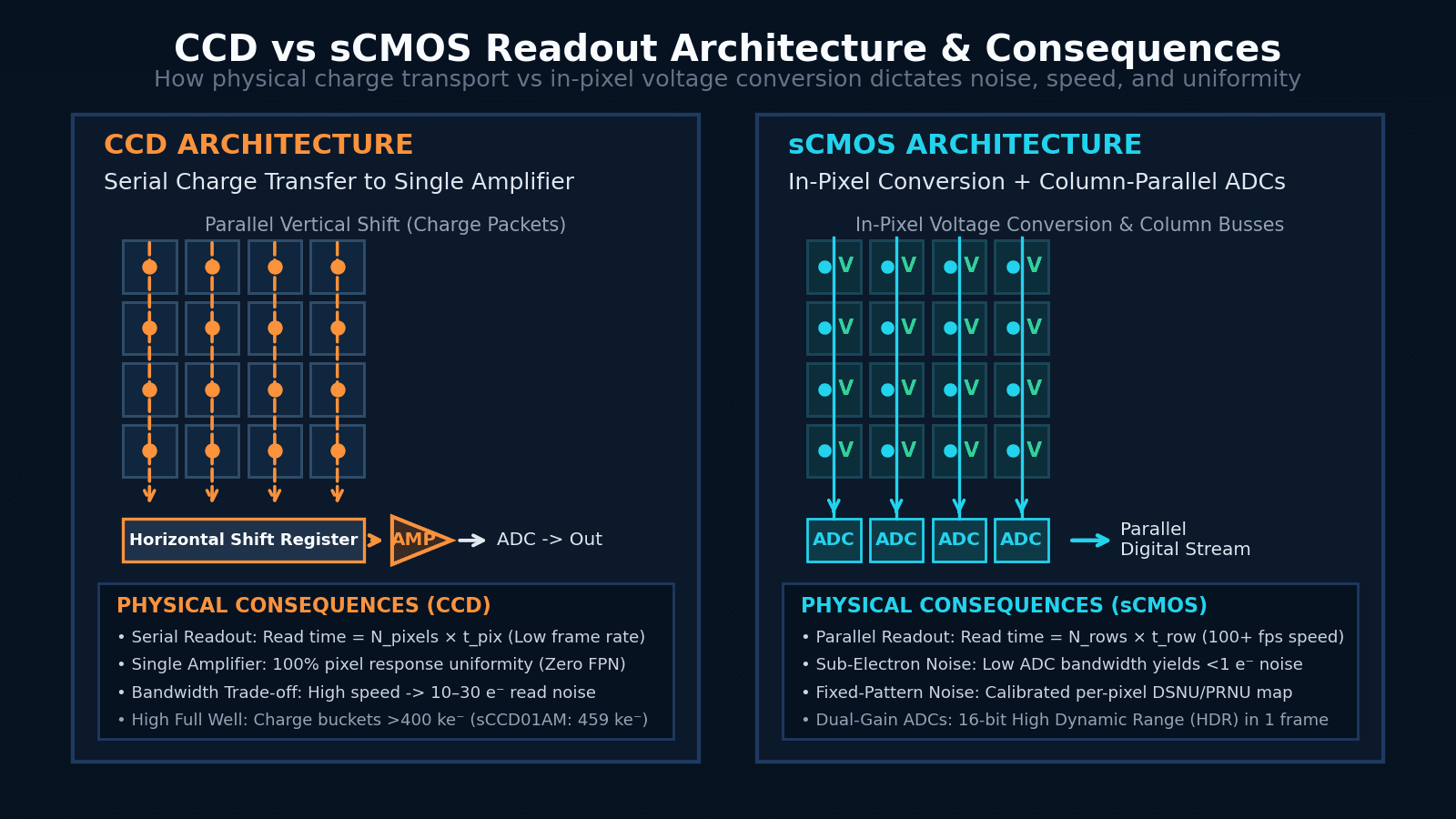 Scientific cameras
How physical charge transport versus in-pixel voltage conversion dictates readout speed, read noise, blooming, fill factor, and fixed-pattern noise in scientific detectors.
Open guide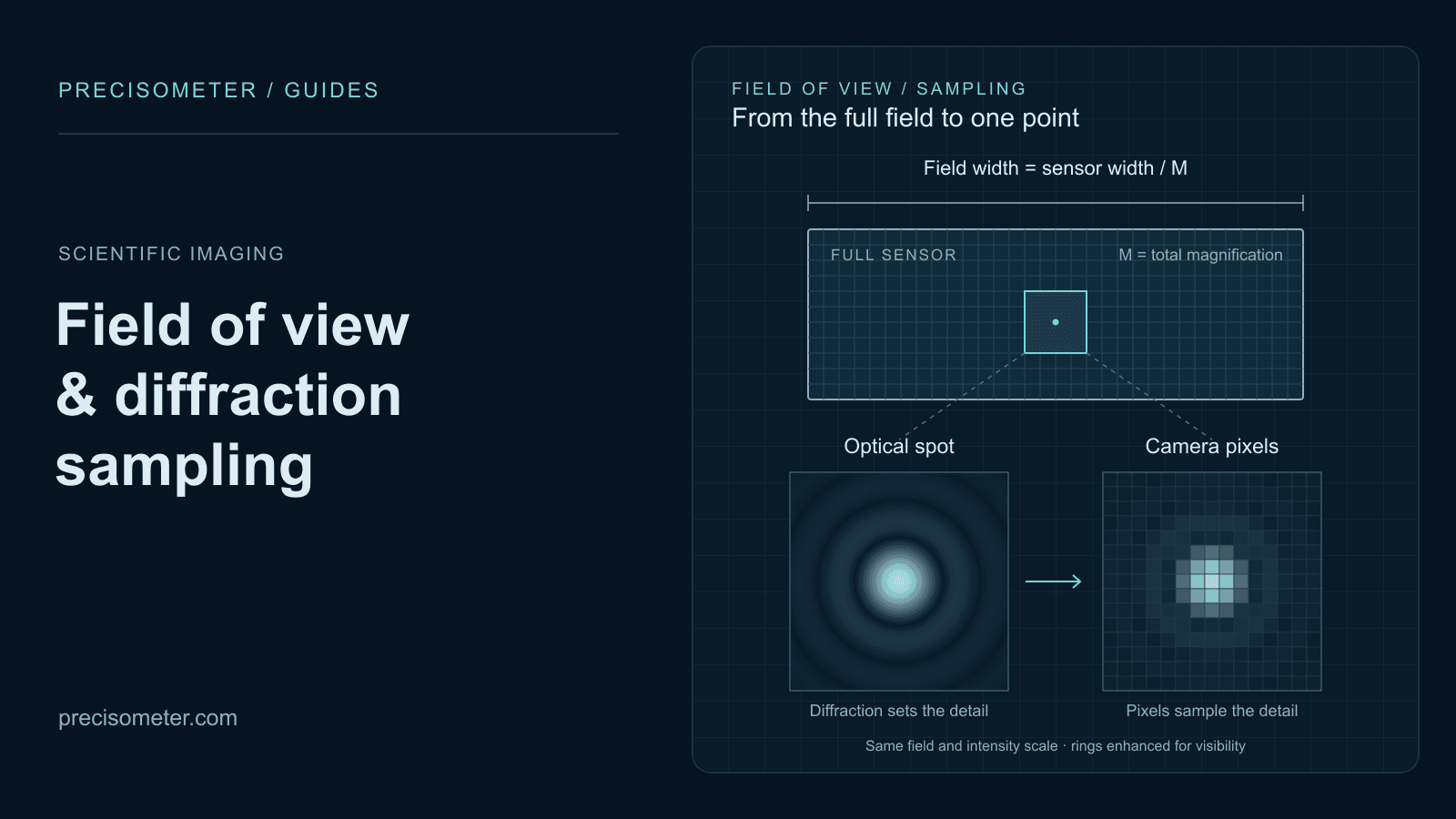 Scientific imaging
Calculate object-space pixel size, field of view, Rayleigh resolution, and sampling using real MAX and sMAX sensor formats.
Open guide