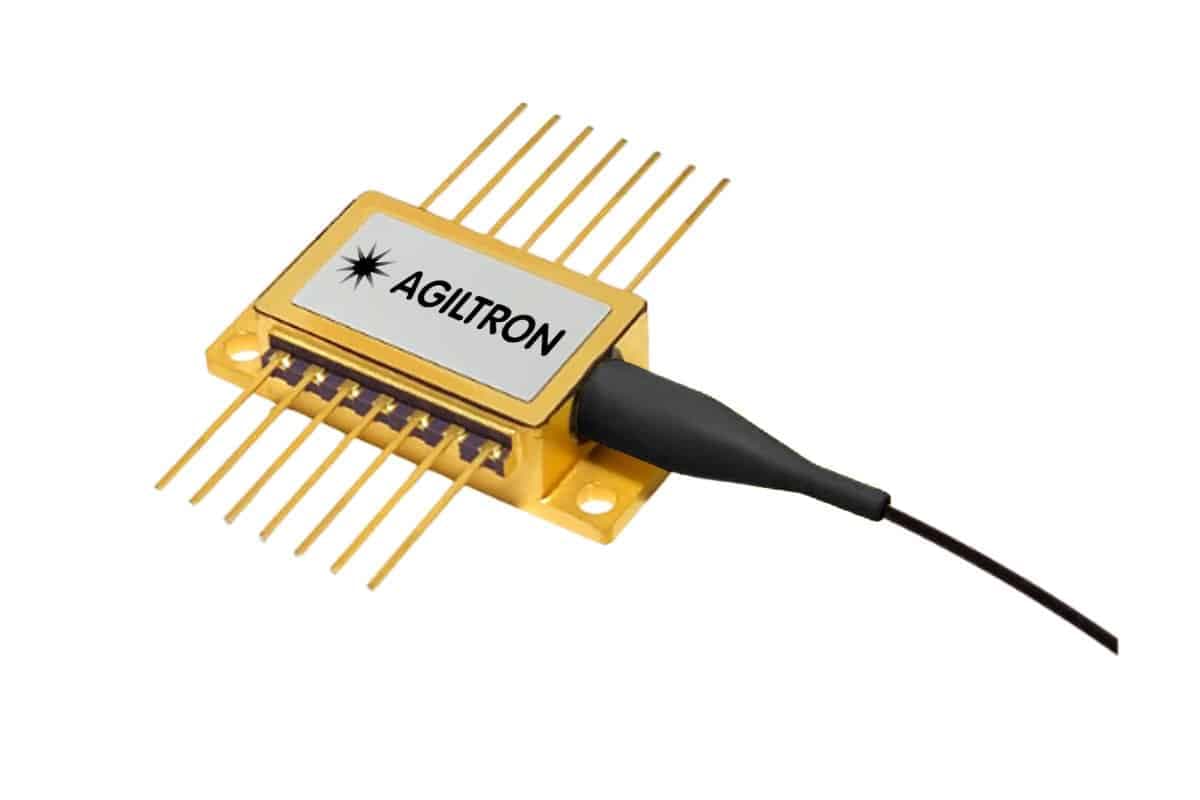
Transmitters & Receivers
InGaAs/Si Receiver Optical Sub Assembly (ROSA)
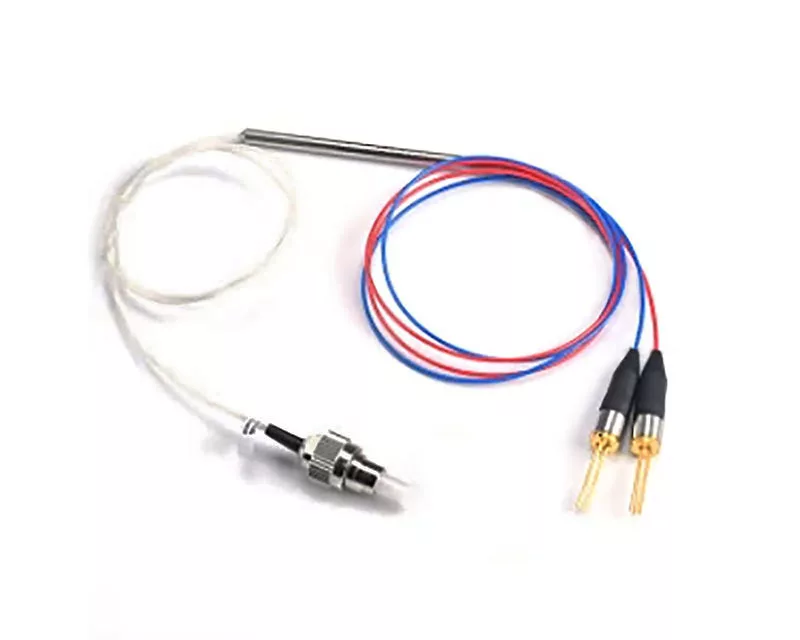
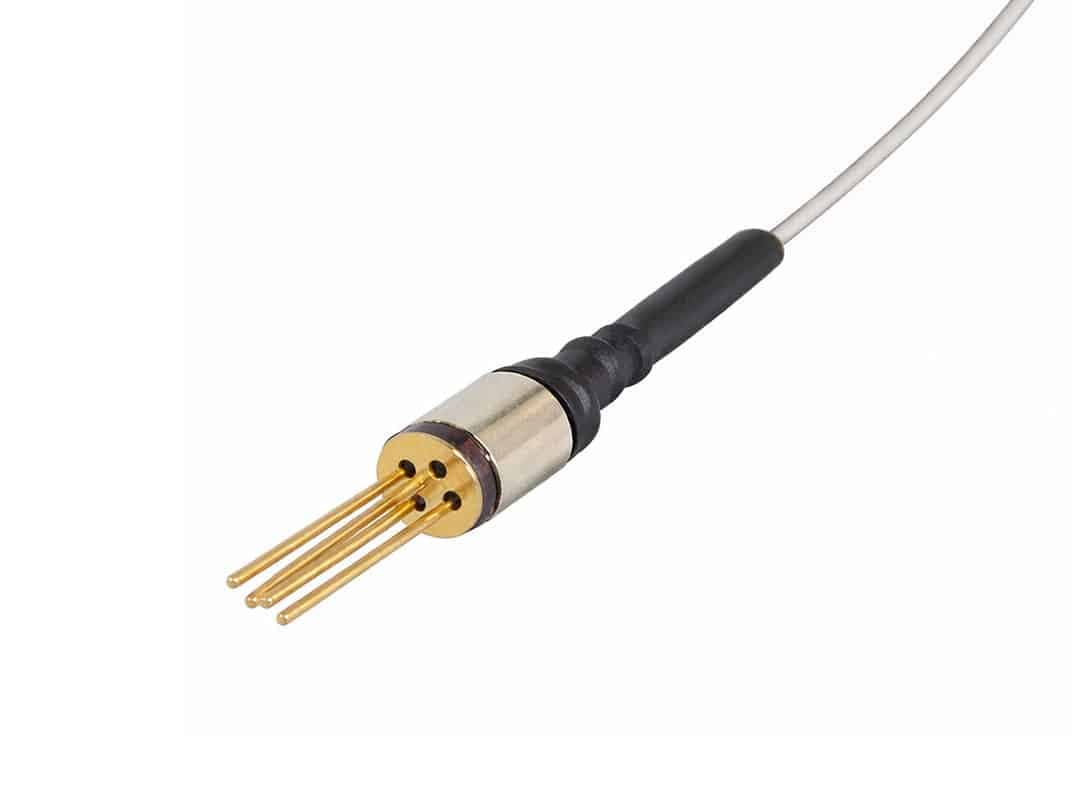
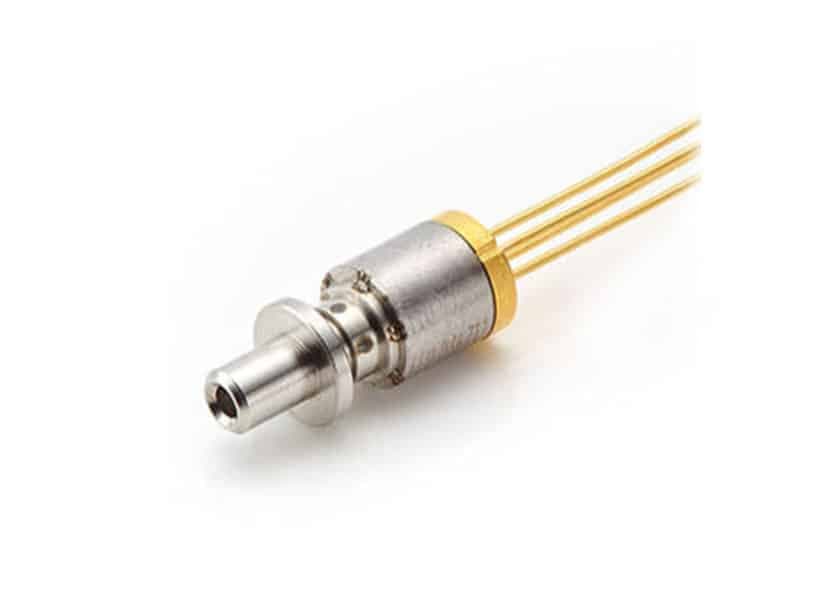
The ROSA (Receiver Optical Sub-Assembly) is built on a proven transceiver fabrication platform, offering industry-leading attributes in low cost, high bandwidth, high coupling efficiency, and long-term stability. As a key component in optical networks, it converts optical signals into electrical signals. This specific ROSA variant is designed without a transimpedance amplifier (TIA), enabling high-fidelity analog signal output and making it especially well-suited for precision analog applications. The sensitivity of the ROSA is approximately proportional to the photodetector’s active area, while the response speed is inversely proportional—highlighting a tradeoff between sensitivity and bandwidth. The optical power handling is scaled with detector’s area due to thermal conductivity and optical power density limit.
Configuration options
Build & quote
Configure the options below and add your exact build to the enquiry — we confirm the part number and availability.
Part number: ROSA-1111111
Wavelength: 1230-1620nm · Type: InGaAs PIN · Bandwidth: 0.1 GHz (~100 µm) · Model: Single mode · TIA: Non · Package: Standard · Receptacle: LC
System integration
Integration and compatibility
Use these checks to connect InGaAs/Si Receiver Optical Sub Assembly (ROSA) to the surrounding optical, mechanical and control system. Every value shown is taken from this model's own specification record.
- Optical interface and fiber
- Single mode, Multimode
- Specify connector polish and fiber architecture together. FC/PC, FC/APC and SMA interfaces, and single-mode, multimode and polarization-maintaining fibers, impose different return-loss, mode-field and alignment requirements.
- Wavelength and loss budget
- Wavelength: 1230-1620nm, 400-1000nm, 850nm
- Check the Transmitters & Receivers passband, insertion loss, return loss and power handling at the actual source wavelength; a nominal telecom-band label is not a substitute for the configured range.
Technical FAQ
Integration questions for InGaAs/Si Receiver Optical Sub Assembly (ROSA)
Which fiber and connector does the InGaAs/Si Receiver Optical Sub Assembly (ROSA) use?
Single mode, Multimode. Specify connector polish and fiber architecture together. FC/PC, FC/APC and SMA interfaces, and single-mode, multimode and polarization-maintaining fibers, impose different return-loss, mode-field and alignment requirements.
How should the InGaAs/Si Receiver Optical Sub Assembly (ROSA) be included in an optical power budget?
Wavelength: 1230-1620nm, 400-1000nm, 850nm. Check the Transmitters & Receivers passband, insertion loss, return loss and power handling at the actual source wavelength; a nominal telecom-band label is not a substitute for the configured range.
Need this configured?
Share your wavelength, fiber type, connector, power handling and control requirements and we will qualify the matching configuration and part number.
Model selection
Nearby series comparison
Compare InGaAs/Si Receiver Optical Sub Assembly (ROSA) with the closest available models in the Transmitters & Receivers family.
| Selection parameter | InGaAs/Si Receiver Optical Sub Assembly (ROSA) (current) | Plug-Play Fiber Optical Transmitter 2.5GHz Analog/Digital |
|---|---|---|
| Wavelength range | 1230-1620nm, 400-1000nm, 850nm | 1550 nm, 1310 nm |