Pre-aligned optical axes
Four rods define the axis, so every element threaded onto them starts square and centred.
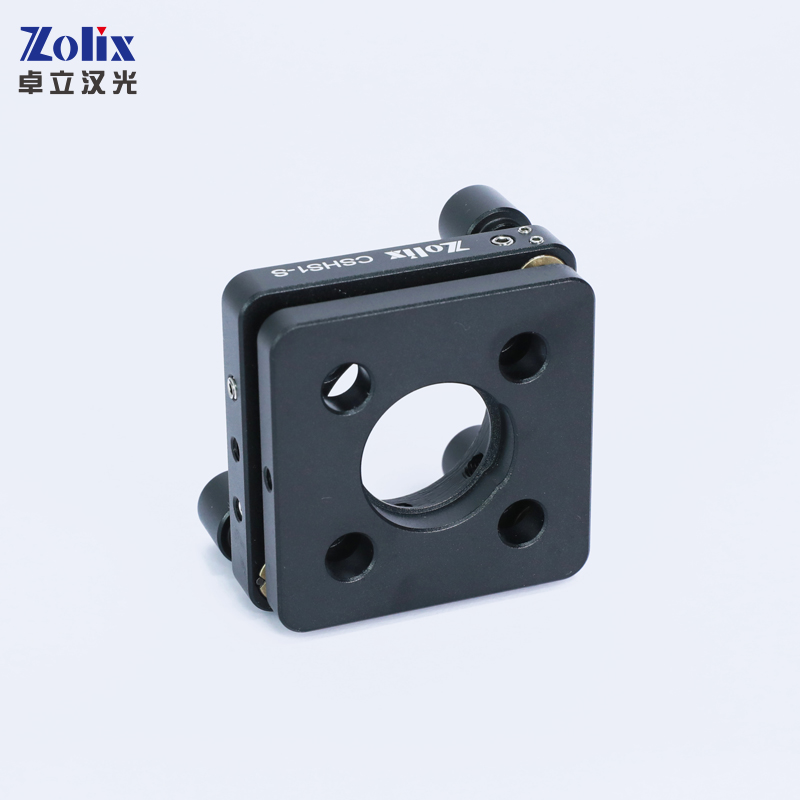
Cage Systems · CSHS1-S Kinematic Mirror Mounts
CSHS1-S Kinematic Mirror Mounts
CSHS1-S Kinematic mount features a smooth Ø25.4 mm mounting hole that is suitable for Ø25.4 mm optic which is at least 3 mm thick, the optic is held in place with a top-located locking screw.
Datasheet (PDF) ↗CAD Model (RAR) ↗Catalog context
CSHS1-S is listed as CSHS1-S Kinematic Mirror Mounts in the CSHS1-S Kinematic Mirror Mounts family. The local catalog record provides these first selection fields: Optic Diameter: Ø25.4 mm; Acceptable Optic Thickness: At least 3 mm.
| Optic Diameter | Ø25.4 mm |
|---|---|
| Acceptable Optic Thickness | At least 3 mm |
Application context
Application guidance is derived from the product family and tied to the model-specific selection fields above.
Four rods define the axis, so every element threaded onto them starts square and centred.
Build a relay, filter block or launch module that can be moved between setups intact.
Package an optical train into a rigid unit for OEM and portable instruments.
System integration
Use these checks to connect CSHS1-S to the surrounding optical, mechanical and control system. Every value shown is taken from this model's own specification record.
Technical FAQ
Optic Diameter: Ø25.4 mm · Acceptable Optic Thickness: At least 3 mm. Check diameter and thickness together. A holder that accepts the diameter can still fail to retain an optic that is thinner than its minimum, and clear aperture is normally smaller than the optic the mount holds.
Before you specify
Engineering context for choosing this class of component, with the tradeoffs worked through on real specifications.
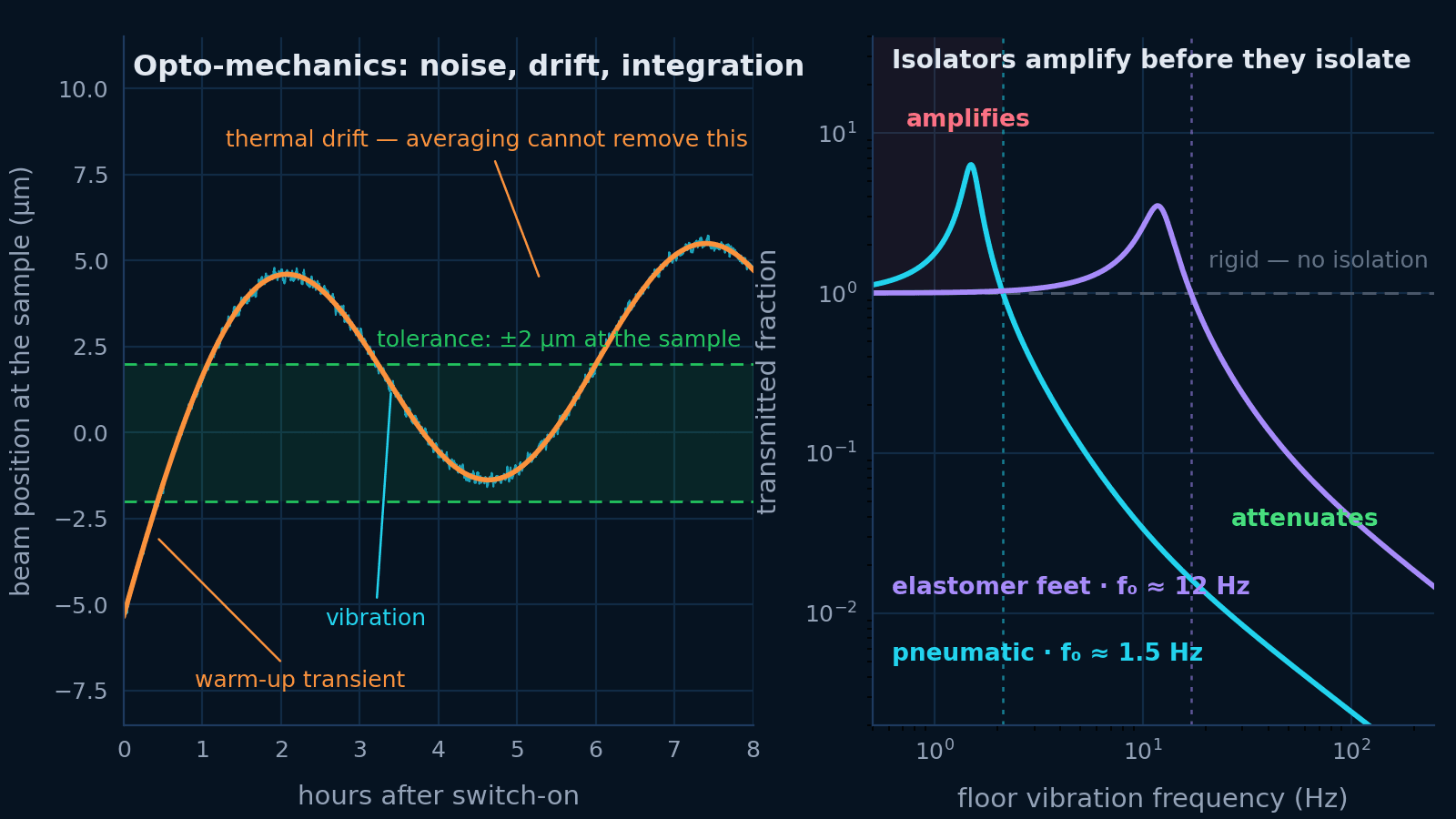 Opto-mechanics
Vibration, thermal drift and mechanical integration are one problem. Budget the motion at the sample, then specify the table, the isolation, the mounts and the beam height that budget asks for.
Open guide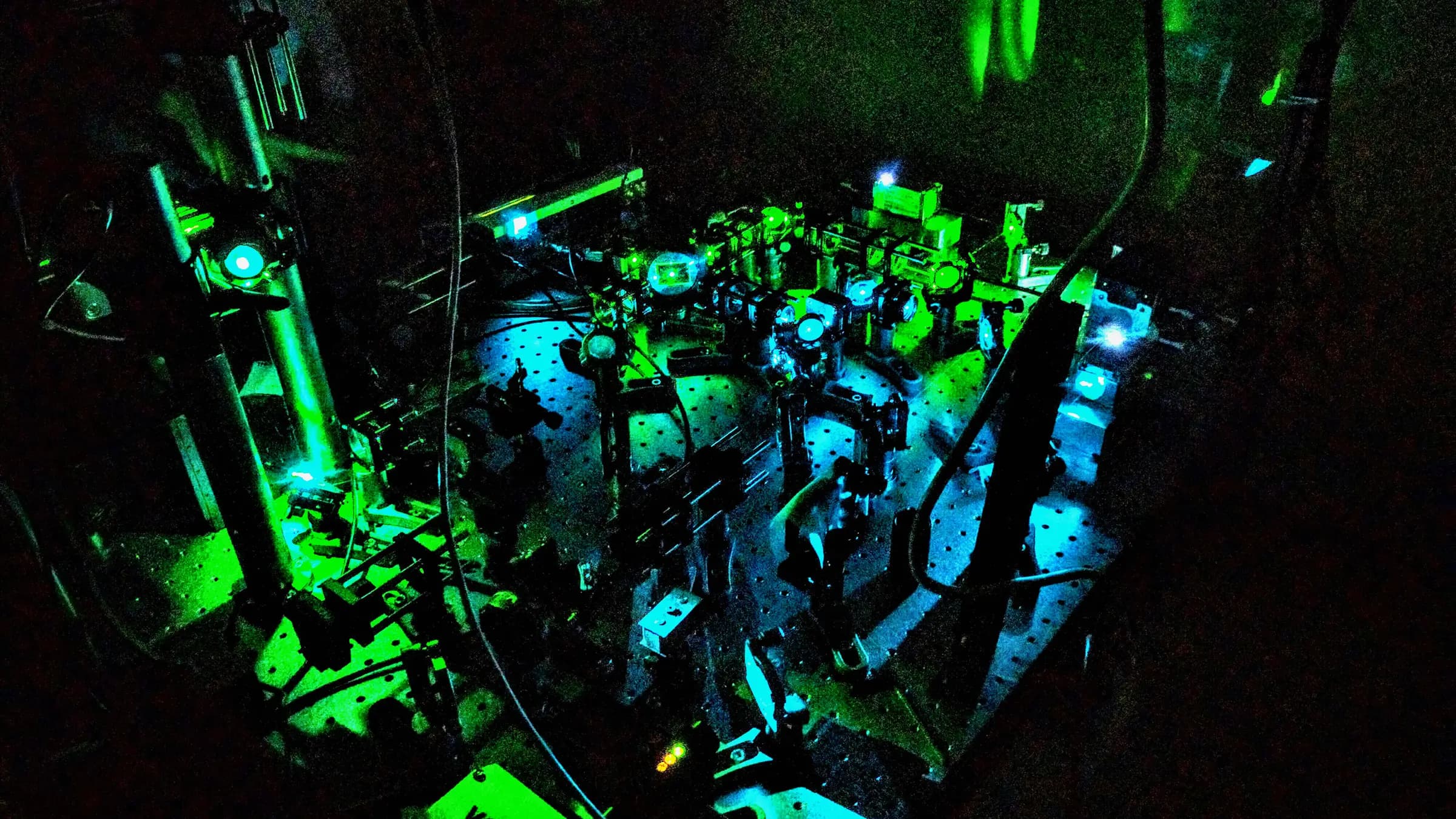 Optical microscopy
Design the trapping beam, objective, mechanics, imaging, QPD detection, calibration, and safety workflow as one instrument.
Open guide