Compare the details
Technical specifications
Compare the listed configurations and match the specifications to your setup.
Jump to a specification table (6)
28 specification rows.
TC-01 · active temperature control
8 entries| Parameter | Specification |
|---|---|
| Model | TC-01 |
| Material | AL |
| Operating temperature | 15℃-35℃ |
| Accuracy | ±0.5℃; ±1℃ |
| Temperature-controlled area dimension | 180mm×80mm |
| Power consumption | 20~100W depends on room temperature and heat of object |
| Power supply (100-240VAC) | PSU-H-LED |
| Warranty | 1 year |
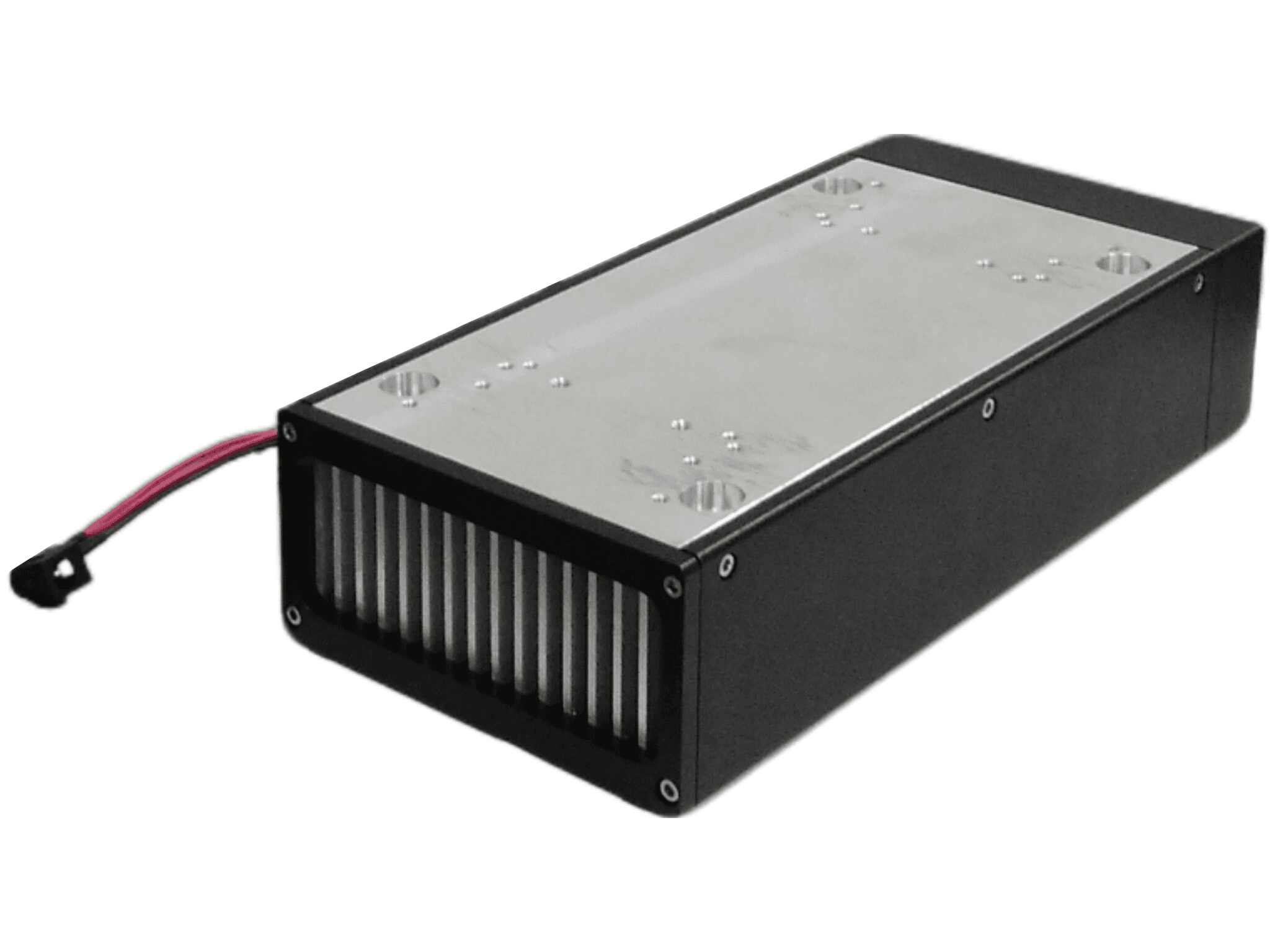
TC-02 · passive heatsink
4 entries| Parameter | Specification |
|---|---|
| Model | TC-02 |
| Material | AL |
| Dimensions | 197(L) ×110(W) ×47.5(H) mm³ |
| Weight | 1.2kg |
TC-02-FS · passive heatsink
4 entries| Parameter | Specification |
|---|---|
| Model | TC-02-FS |
| Material | AL |
| Dimensions | 220(L) ×110(W) ×47.5(H) mm³ |
| Weight | 1.25kg |
TC-04-FS · passive heatsink
4 entries| Parameter | Specification |
|---|---|
| Model | TC-04-FS |
| Material | AL |
| Dimensions | 188(L) ×76.2(W) ×43(H) mm³ |
| Weight | 0.65kg |
TC-05 · passive heatsink
4 entries| Parameter | Specification |
|---|---|
| Model | TC-05 |
| Material | AL |
| Dimensions | 140(L) ×80(W) ×39(H) mm³ |
| Weight | 0.7kg |
TC-06 · passive heatsink
4 entries| Parameter | Specification |
|---|---|
| Model | TC-06 |
| Material | AL |
| Dimensions | 220(L) ×100(W) ×51(H) mm³ |
| Weight | 1.6kg |
Build around your experiment
What to specify
Share these details with your enquiry so we can match the component to your optical setup.
- 01Laser model, wavelength, operating mode and power.
- 02Mounting footprint, clearances and operating environment.
- 03Thermal load, electrical interfaces and any enclosure requirements.
Technical FAQ
Configuration questions for Heatsink
What is the Heatsink made from?
Material: AL. Aluminium moves about 23 ppm per kelvin and stainless about 16. In a path where thermal drift is already budgeted, the material of the mount belongs in that budget rather than in the appearance of the part.
What are the dimensions of the Heatsink?
Temperature-controlled area dimension: 180mm×80mm · Dimensions: 197(L) ×110(W) ×47.5(H) mm³. Use the stated geometry and mass to fix beam height, clearance and the load carried by whatever this part is bolted to. These are the numbers that decide whether adjacent components physically collide.
Technical documents
Keep the specifications at hand when planning your setup.
Download datasheet (PDF)Talk through your setup
Find the right configuration
Add this component to your enquiry and include your requirements. We will help specify the variant, interfaces and mounting.