Optical Reflectors
Fiber Optic Total Retroreflectors
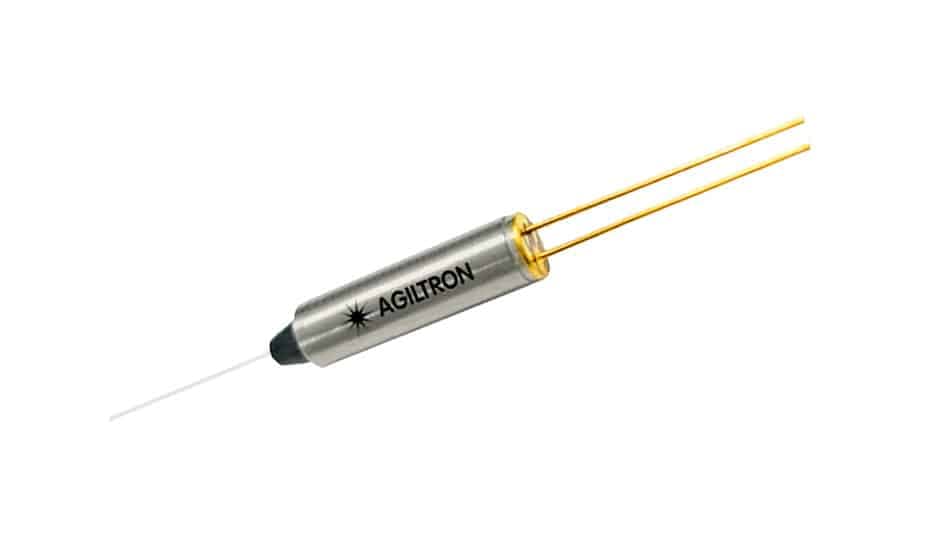
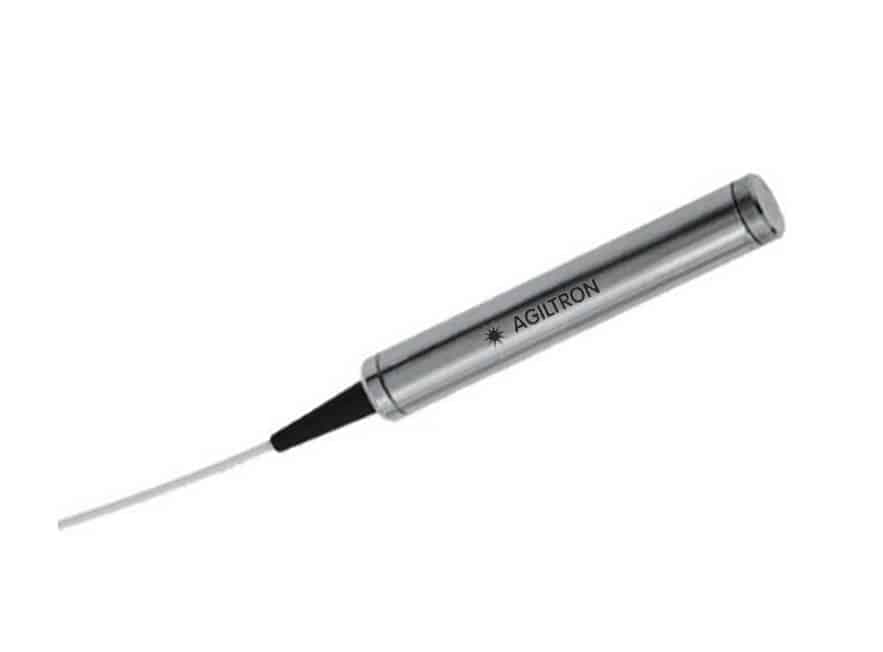
Our Fiber Mirror Reflector is designed to reflect light input backward through the fiber. It can be used to create a fiber interferometer or to build a low-power fiber laser.
Configuration options
Build & quote
Configure the options below and add your exact build to the enquiry — we confirm the part number and availability.
We confirm the exact part number for your configuration on enquiry.
Type: Regular · Wavelength: 1064nm · Reflection: 100% · Package: ø5.5x35 · Fiber Type: SM400 · Fiber Cover: 900μm Tube · Fiber Length: 0.25m · Connector: None
Specifications
Fiber Optic Total Retroreflectors
| Fiber Type | SM400 | SM450 | PM400 | PM460 | SM600 | PM630 | Hi780 | PM780 | SM800 | PM850 | PM980 | Hi1060 | 50/125 | SM28 | PM1550 | SM1950 | PM1950 |
| Wavelength (nm) | 360–530 | 480–650 | 400–480 | 460–700 | 620–650 | 620–650 | 760–800 | 760–800 | 830–870 | 830–870 | 910–1080 | 960–1080 | 1250–1650 | 1250–1650 | 1250–1650 | 1700–2300 | 1800–2200 |
| Reflection (%) | 100 | 100 | 100 | 100 | 100 | 100 | 100 | 100 | 100 | 100 | 100 | 100 | 100 | 100 | 100 | 100 | 100 |
| Diameter(mm) | 5.5 | 5.5 | 5.5 | 5.5 | 5.5 | 5.5 | 5.5 | 5.5 | 5.5 | 5.5 | 5.5 | 5.5 | 5.5 | 5.5 | 5.5 | 5.5 | 5.5 |
| Fiber Cover (mm) | 0.9 | 0.9 | 0.9 | 0.9 | 0.9 | 0.9 | 0.9 | 0.9 | 0.9 | 0.9 | 0.9 | 0.9 | 0.9 | 0.9 | 0.9 | 0.9 | 0.9 |
| Optical Power (W) | 0.05 | 0.05 | 0.06 | 0.08 | 0.09 | 0.09 | 0.1 | 0.1 | 0.2 | 0.2 | 0.3 | 0.3 | 0.4 | 0.4 | 0.4 | 0.4 | 0.4 |
| Fiber Length (m) | 1 | 1 | 1 | 1 | 1 | 1 | 1 | 1 | 1 | 1 | 1 | 1 | 1 | 1 | 1 | 1 | 1 |
| Connector | None | None | None | None | None | None | None | None | None | None | None | None | None | None | None | None | None |
| PER | N/A | N/A | >12 | >14 | N/A | >16 | N/A | >18 | N/A | >18 | >18 | N/A | N/A | N/A | >20 | N/A | >20 |
| * The wavelength dependence is solely determined by the fiber property |
System integration
Integration and compatibility
Use these checks to connect Fiber Optic Total Retroreflectors to the surrounding optical, mechanical and control system. Every value shown is taken from this model's own specification record.
- Optical interface and fiber
- Fiber Type: SM400, SM450, PM400, PM460, SM600, PM630, Hi780, PM780, SM800, PM850, PM980, Hi1060, 50/125, SM28, PM1550, SM1950, PM1950 · Fiber Cover: 900μm Tube, Bare Fiber
- Specify connector polish and fiber architecture together. FC/PC, FC/APC and SMA interfaces, and single-mode, multimode and polarization-maintaining fibers, impose different return-loss, mode-field and alignment requirements.
- Wavelength and loss budget
- Wavelength: 1064nm, 1310nm, 1550nm, 1800nm, 850nm, 780nm, 980nm, 650nm, 460nm · Wavelength (nm): 360–530 / 480–650 / 400–480 / 460–700 / 620–650 / 620–650 / 760–800 / 760–800 / 830–870 / 830–870 / 910–1080 / 960–1080 / 1250–1650 / 1250–1650 / 1250–1650 / 1700–2300 / 1800–2200
- Check the Optical Reflectors passband, insertion loss, return loss and power handling at the actual source wavelength; a nominal telecom-band label is not a substitute for the configured range.
Technical FAQ
Integration questions for Fiber Optic Total Retroreflectors
Which fiber and connector does the Fiber Optic Total Retroreflectors use?
Fiber Type: SM400, SM450, PM400, PM460, SM600, PM630, Hi780, PM780, SM800, PM850, PM980, Hi1060, 50/125, SM28, PM1550, SM1950, PM1950 · Fiber Cover: 900μm Tube, Bare Fiber. Specify connector polish and fiber architecture together. FC/PC, FC/APC and SMA interfaces, and single-mode, multimode and polarization-maintaining fibers, impose different return-loss, mode-field and alignment requirements.
How should the Fiber Optic Total Retroreflectors be included in an optical power budget?
Wavelength: 1064nm, 1310nm, 1550nm, 1800nm, 850nm, 780nm, 980nm, 650nm, 460nm · Wavelength (nm): 360–530 / 480–650 / 400–480 / 460–700 / 620–650 / 620–650 / 760–800 / 760–800 / 830–870 / 830–870 / 910–1080 / 960–1080 / 1250–1650 / 1250–1650 / 1250–1650 / 1700–2300 / 1800–2200. Check the Optical Reflectors passband, insertion loss, return loss and power handling at the actual source wavelength; a nominal telecom-band label is not a substitute for the configured range.
Need this configured?
Share your wavelength, fiber type, connector, power handling and control requirements and we will qualify the matching configuration and part number.